
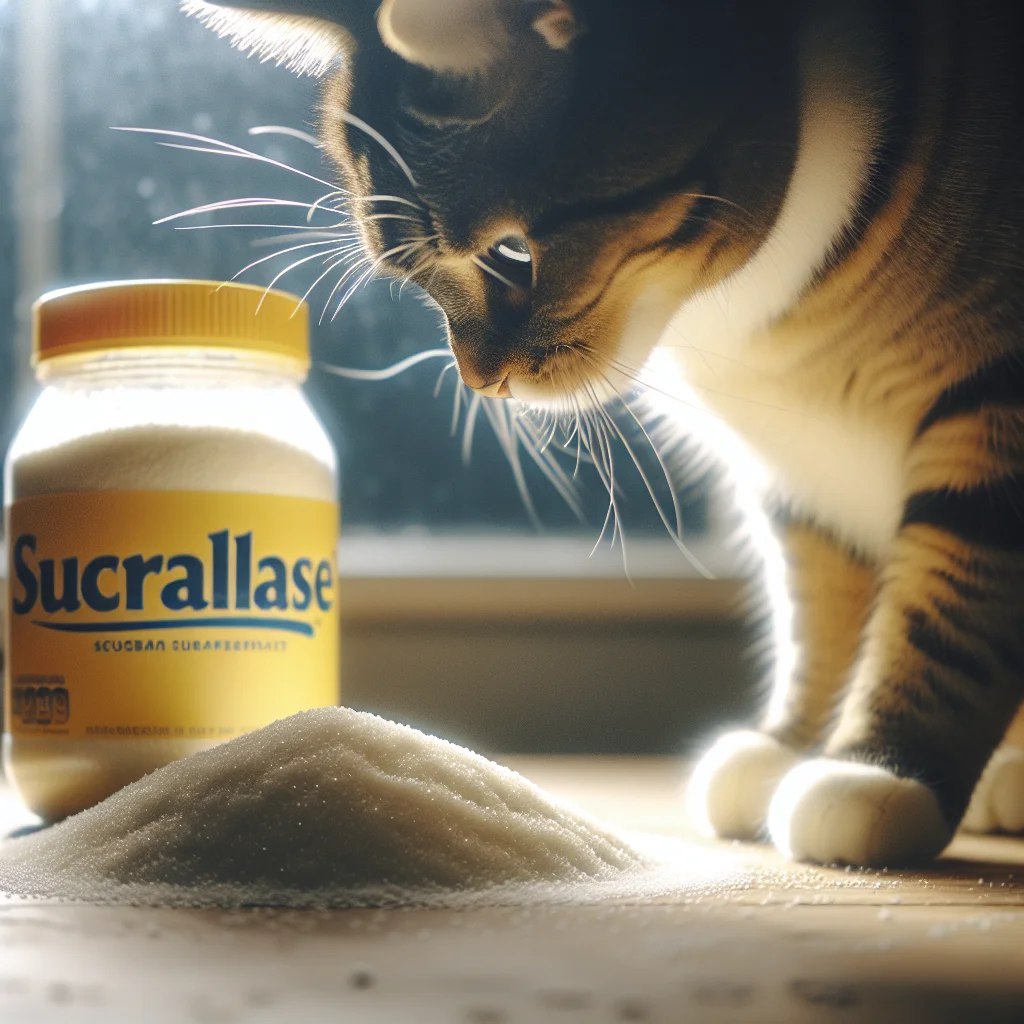
If you suspect your pet has ingested this food, do not wait for symptoms. Contact your veterinarian immediately.
Sucralose is not toxic to cats, but caution is advised when it comes to its consumption. This artificial sweetener, commonly found in sugar-free products, does not contain the same toxins as xylitol, which is harmful to pets. However, due to cats' unique metabolisms, their ability to process such sweeteners varies from that of humans, and any foreign substance could potentially upset their digestive systems.
What are the Effects of Sucralose on a Cat's Digestive System?
While sucralose itself is considered non-toxic, it can lead to gastrointestinal disturbances in some cats. This is primarily because cats are obligate carnivores, and their digestive systems are not designed to process sweeteners. If a cat ingests a product containing sucralose, it may experience symptoms such as diarrhea, vomiting, or a decreased appetite. These symptoms usually occur due to the artificial sweetener irritating the stomach lining or altering the gut flora.
How Much Sucralose is Too Much for Cats?
There is no established safe amount of sucralose for cats, as even small quantities can cause problems for sensitive felines. Unlike humans, cats do not have a dietary need for sweets, and introducing them can disrupt their natural dietary balance. Pet owners should avoid giving any products containing sucralose to their cats, even in small amounts, to prevent potential digestive issues.
What Should I Do if My Cat Consumes Sucralose?
If your cat accidentally consumes sucralose, monitor it closely for any signs of distress. Watch for symptoms such as vomiting, diarrhea, or unusual behavior. If any of these symptoms appear, or if you are concerned, it is best to consult with a veterinarian. They can provide guidance on whether any treatment is necessary based on the amount ingested and the cat’s overall health.
Are There Safe Alternatives to Sucralose for Cats?
It is best to avoid any sweeteners in a cat's diet, including sucralose. If you're looking to reward your cat, opt for treats specifically formulated for felines. These treats are designed to be nutritious and safe for cats. Always ensure that any changes to your cat’s diet are gradual and monitored to prevent digestive upset.
Can Sucralose Cause Long-Term Health Issues in Cats?
There is limited research on the long-term effects of sucralose on cats. However, consistently feeding cats products with artificial sweeteners could potentially lead to chronic digestive issues or weight changes. As a precaution, it is advisable to keep your cat's diet free from artificial sweeteners and focused on natural, meat-based nutrients.
Toxicity Levels
| Type | Amount | Risk |
|---|---|---|
| Sucralose | Small | Low |
| Sucralose | Moderate | Moderate |
| Sucralose | Large | High |
| Sucralose | Frequent | Chronic Digestive Issues |
| Sucralose | Combined with Other Sweeteners | Increased |
Symptoms to Watch For
- Vomiting
- Diarrhea
- Lethargy
- Nausea
- Loss of Appetite
Frequently Asked Questions
Is sucralose safe for cats?
What are the symptoms if a cat eats sucralose?
How can I prevent my cat from eating sucralose?
What should I do if my cat shows symptoms after eating sucralose?
Are there any safe sweeteners for cats?