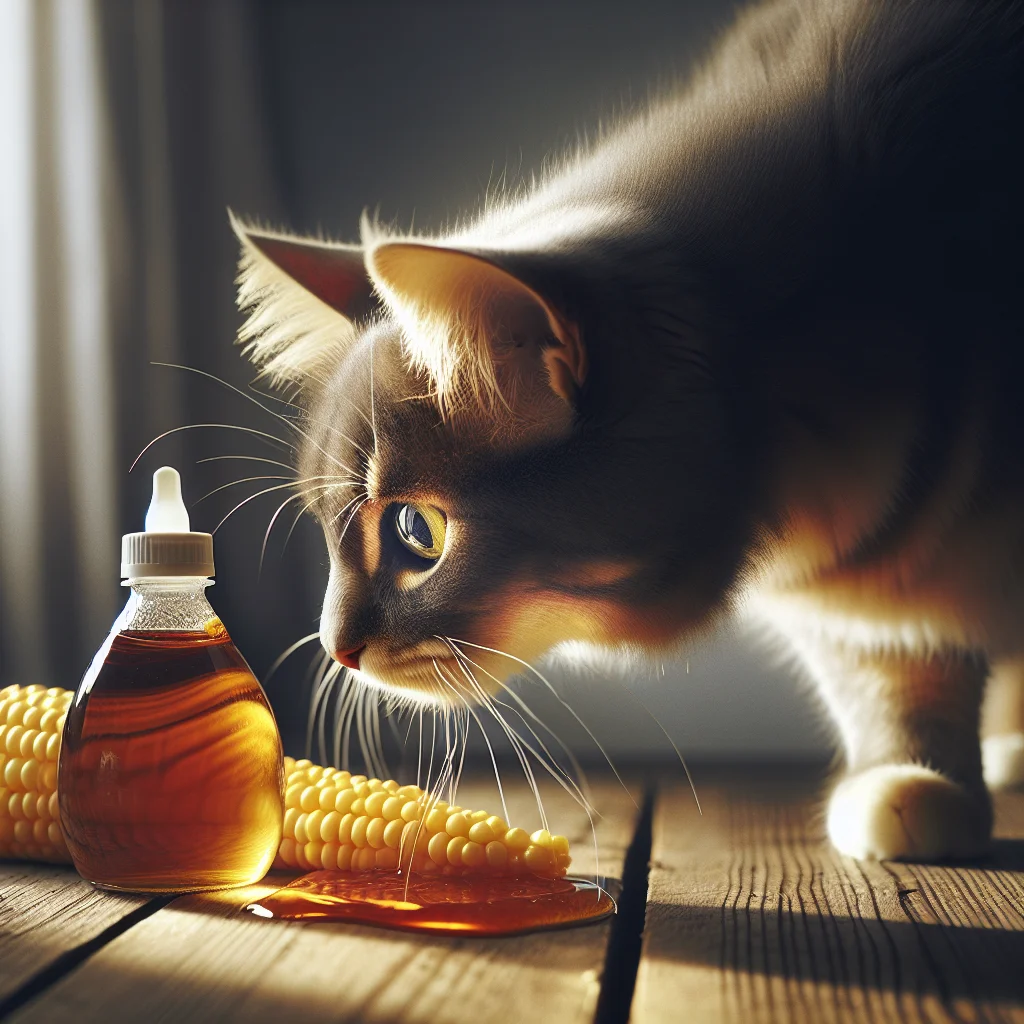
If you suspect your pet has ingested this food, do not wait for symptoms. Contact your veterinarian immediately.
Corn syrup is classified with caution for cats. The main concern lies in its high fructose content, which can disrupt a cat’s delicate metabolic system. Unlike humans, cats aren't equipped to process high amounts of sugar and carbohydrates. Excessive ingestion of corn syrup can lead to obesity, diabetes, and other metabolic disorders in felines.
Can Cats Digest Corn Syrup Safely?
Cats, being obligate carnivores, have digestive systems that are not designed to handle sugars effectively. Corn syrup, rich in sugar, can pose digestive challenges. A cat's liver does not efficiently metabolize fructose, leading to potential health issues. If your cat accidentally ingests corn syrup, monitor their behavior for any signs of discomfort or unusual symptoms.
What Happens If a Cat Consumes Corn Syrup?
Consumption of corn syrup can lead to several health problems in cats. The immediate effects might include gastrointestinal upset, such as vomiting or diarrhea. Over time, regular exposure to corn syrup could contribute to obesity, insulin resistance, and eventually diabetes. It’s crucial to keep sweetened foods out of your pet’s reach to prevent accidental ingestion.
How Much Corn Syrup Is Too Much for Cats?
Even a small amount of corn syrup is too much for cats. A lick or two might not cause immediate harm, but it's best avoided. Cats do not have a dietary requirement for sugars, and introducing them can disturb their balanced diet. Always consult with a veterinarian if your cat has ingested any amount of corn syrup.
Are There Safer Alternatives to Corn Syrup for Cats?
There are no safe sweetener alternatives for cats. Their diet should strictly consist of animal-based proteins and fats. If you’re looking to treat your feline friend, consider cat-safe treats specifically formulated to meet their dietary needs. Avoid human foods that contain any form of sugar or artificial sweeteners.
What Are the Symptoms of Corn Syrup Ingestion in Cats?
Symptoms of corn syrup ingestion can range from mild to severe depending on the amount consumed. These may include vomiting, diarrhea, lethargy, increased thirst, and weight gain. If you notice these symptoms after your cat has consumed corn syrup, seek veterinary attention immediately.
Toxicity Levels
| Type | Amount | Risk |
|---|---|---|
| Corn Syrup | Small | Moderate |
| Corn Syrup | Moderate | High |
| Corn Syrup | Large | Severe |
| Fructose | Any | Metabolic Issues |
| Sugars | Chronic Exposure | Diabetes |
Symptoms to Watch For
- Vomiting
- Diarrhea
- Lethargy
- Increased Thirst
- Weight Gain
Frequently Asked Questions
Is corn syrup safe for cats?
What should I do if my cat eats corn syrup?
Can corn syrup cause diabetes in cats?
Are there any safe sweeteners for cats?
How can I treat my cat without using sugar?