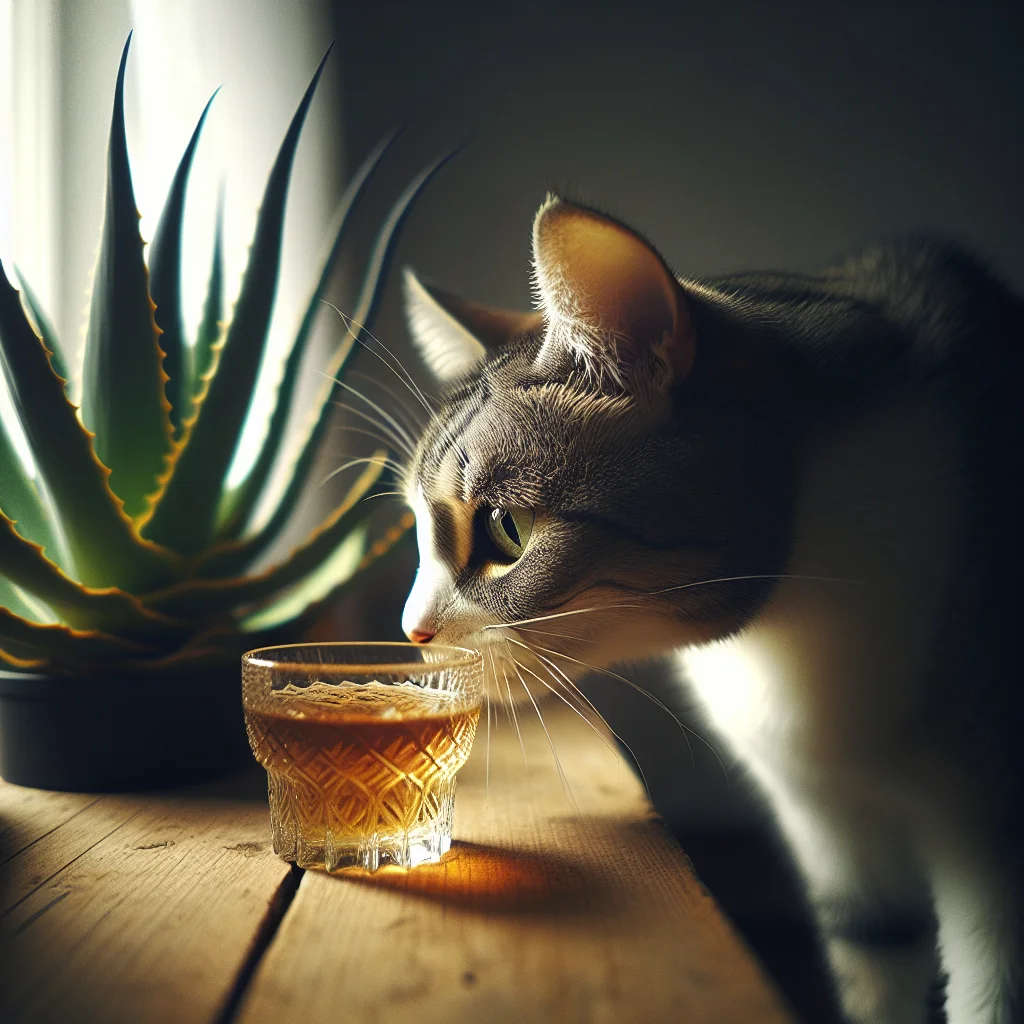
If you suspect your pet has ingested this food, do not wait for symptoms. Contact your veterinarian immediately.
Agave nectar is not safe for cats. This sweetener, commonly used as a substitute for sugar in human diets, contains saponins and fructans that can pose health risks to felines. Cats lack the necessary enzymes to properly metabolize these compounds, which can lead to digestive issues and toxicity. Understanding the specific dangers and knowing what to watch for can help protect your feline friend.
What are the dangers of agave nectar for cats?
Agave nectar contains saponins, which are naturally occurring chemicals found in various plants. These compounds can cause gastrointestinal distress in cats, including vomiting and diarrhea. Additionally, agave nectar is high in fructans, a type of sugar that cats cannot efficiently process. This can lead to elevated blood sugar levels and potentially cause more severe health issues if consumed in large quantities. It's important to keep agave nectar out of reach and monitor your cat for any signs of distress if accidental ingestion occurs.
How can I tell if my cat has consumed agave nectar?
Signs of agave nectar ingestion in cats can vary depending on the amount consumed. Common symptoms include vomiting, diarrhea, lethargy, and a lack of appetite. If you notice any of these symptoms and suspect your cat has ingested agave nectar, it's crucial to contact your veterinarian immediately. They can provide guidance on the next steps and determine if any treatment is necessary. Monitoring your cat closely and providing supportive care can help mitigate potential health risks.
What should I do if my cat accidentally eats agave nectar?
If your cat has consumed agave nectar, the first step is to remain calm and assess the situation. Remove any remaining nectar from the cat's reach and observe your pet for any signs of distress. Contact your veterinarian to discuss the incident and follow their recommendations for treatment. In some cases, inducing vomiting may be advised, but this should only be done under professional guidance. Providing plenty of water and ensuring your cat remains hydrated is also important while monitoring their condition.
Are there any safe alternatives to agave nectar for cats?
Cats do not require sweeteners in their diet, and it's generally best to avoid giving them any form of sugar or sugar substitute. Instead, focus on providing a balanced diet specifically formulated for felines. If you're looking for treats, opt for cat-friendly options available at pet stores. These treats are designed to meet the nutritional needs of cats and are much safer than human foods, including sweeteners like agave nectar.
Why do cats react differently to sweeteners compared to humans?
Cats are obligate carnivores, meaning their bodies are adapted to a diet primarily composed of meat. Unlike humans, cats lack taste receptors for sweetness and have a limited ability to metabolize sugars and carbohydrates. Their digestive systems are not equipped to handle sweeteners like agave nectar, which can lead to adverse reactions and health problems. Understanding these differences is key to ensuring your cat's diet is safe and healthy.
Toxicity Levels
| Type | Amount | Risk |
|---|---|---|
| Agave Nectar | Small | Mild GI distress |
| Agave Nectar | Moderate | Moderate GI distress |
| Agave Nectar | Large | Severe GI distress |
| Fructans | Any | Blood sugar issues |
| Saponins | Any | GI irritation |
Symptoms to Watch For
- Vomiting
- Diarrhea
- Lethargy
- Lack of Appetite
- Dehydration
Frequently Asked Questions
Can agave nectar be fatal to cats?
How much agave nectar is dangerous for a cat?
Are there any natural sweeteners safe for cats?
What immediate actions should I take if my cat eats agave nectar?
Why can't cats metabolize sweeteners like humans?