
If you suspect your pet has ingested this food, do not wait for symptoms. Contact your veterinarian immediately.
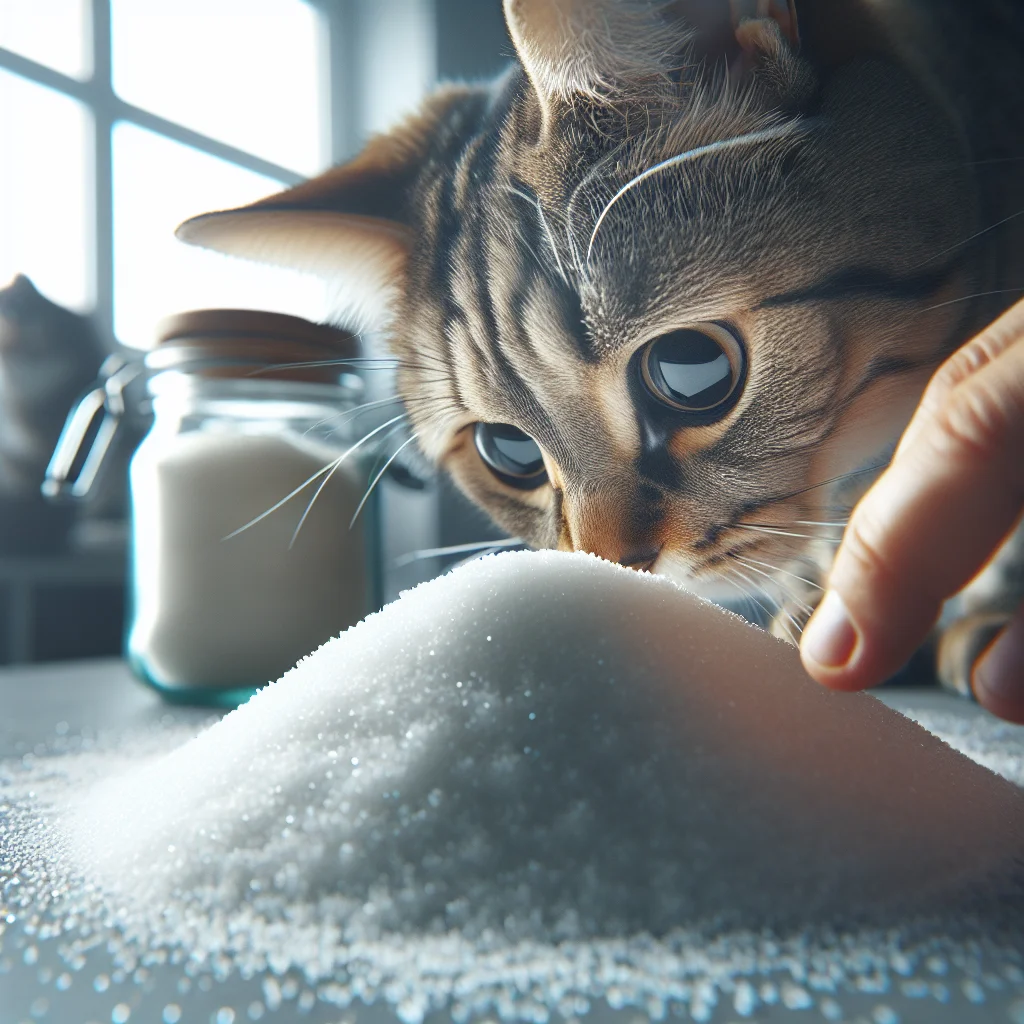
Sugar, in moderation, is not directly toxic to cats, but it’s not recommended as part of their diet. Cats are obligate carnivores, meaning their bodies are not designed to process sugar effectively. This inability can lead to obesity, diabetes, and dental issues over time. While a small amount of sugar might not cause immediate harm, regular consumption can have detrimental effects on your cat's overall health.
What Happens If Cats Consume Sugar?
When cats consume sugar, their bodies struggle to process it due to a lack of necessary enzymes. Unlike humans, cats do not have a sweet taste receptor, making them indifferent to sugary treats. However, the sugar is broken down in their digestive system, potentially leading to an upset stomach, diarrhea, and even vomiting. Long-term effects include weight gain and an increased risk of diabetes. Cats do not derive any nutritional benefit from sugar, and it can interfere with their natural protein metabolism.
How Much Sugar is Too Much for Cats?
While an accidental lick of sugar won’t harm your cat immediately, ingestion of larger quantities can lead to gastrointestinal distress. A teaspoon of sugar or more is considered excessive and could potentially cause a spike in blood sugar levels. The key is to avoid processed foods that contain added sugars, which are more harmful due to additional artificial ingredients. Always monitor your cat for any unusual symptoms if they accidentally consume sugar.
Can Sugar Cause Diabetes in Cats?
Yes, excessive sugar intake can contribute to the development of diabetes in cats. Continuous consumption of sugary foods can lead to weight gain, insulin resistance, and eventually diabetes mellitus. This condition requires lifelong management and can significantly impact your cat’s quality of life. Ensuring a balanced diet with appropriate protein and low carbohydrates is crucial in preventing such chronic conditions.
Are Natural Sugars Safer for Cats?
Natural sugars found in fruits and vegetables are not necessarily safer for cats, as their digestive systems are not equipped to handle large amounts of any sugar type. While fruits like apples and some vegetables are non-toxic, their sugar content still poses the same risks as processed sugars. If you decide to offer fruits as a treat, do so sparingly and ensure they are cut into small, manageable pieces to avoid choking hazards.
What Alternatives to Sugar Can Cats Consume?
Instead of sugary treats, offer your cat protein-rich snacks like small pieces of cooked chicken or fish. These alternatives align with their biological needs and provide essential nutrients without the risk of obesity or diabetes. Catnip and certain cat-safe herbs can also be a delightful treat for your feline friend. Always consult with your veterinarian before introducing new treats to ensure they are safe for your cat's specific health needs.
Toxicity Levels
| Type | Amount | Risk |
|---|---|---|
| Granulated Sugar | 1 tsp | Low |
| Candy | Piece | Medium |
| Fruits | Slice | Low |
| Processed Desserts | Serving | High |
| Artificial Sweeteners | Small amount | Very High |
Symptoms to Watch For
- Vomiting
- Diarrhea
- Weight Gain
- Dental Issues
- Diabetes
Frequently Asked Questions
Is a small amount of sugar harmful to cats?
Can sugar cause my cat to become hyperactive?
What should I do if my cat accidentally eats sugar?
Are sugar substitutes safe for cats?
Can I give my cat sweet treats made for humans?