If you suspect your pet has ingested this food, do not wait for symptoms. Contact your veterinarian immediately.
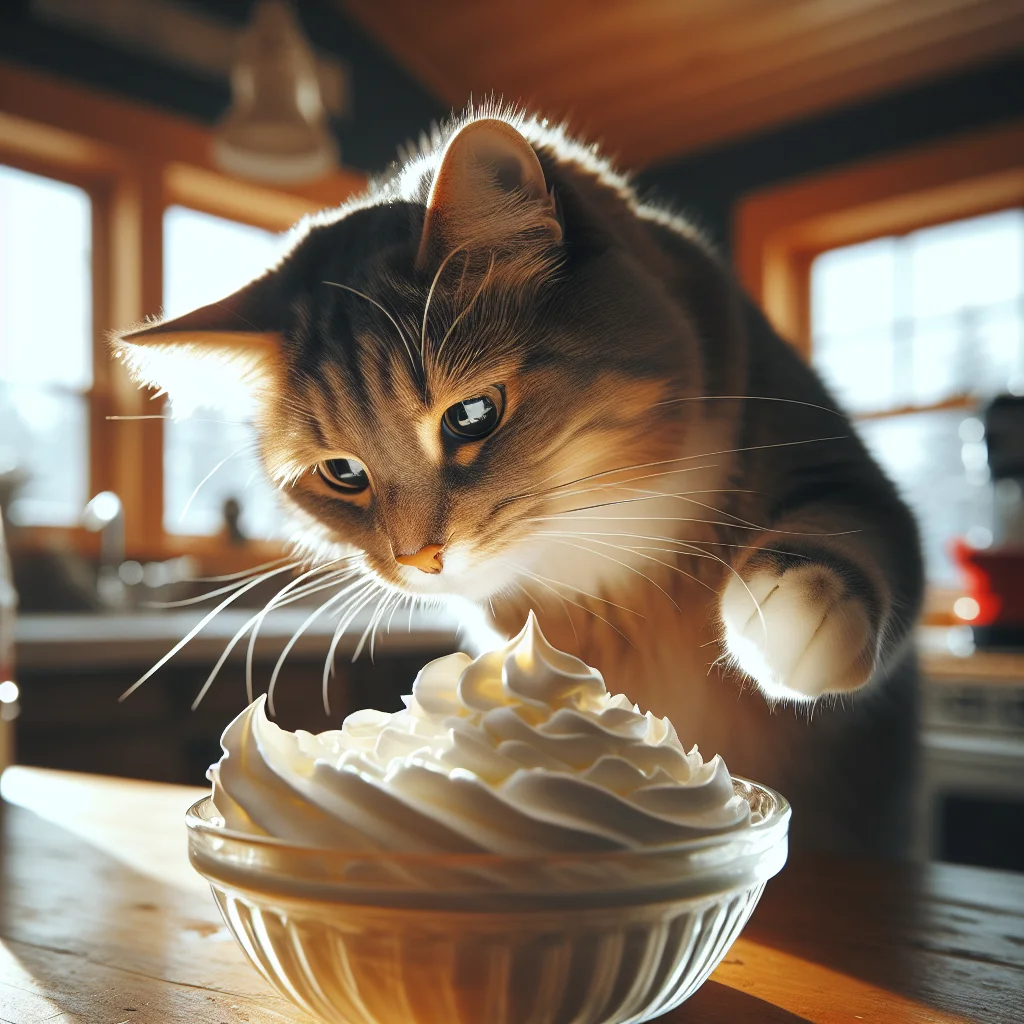
Whipped cream can be a delightful treat for humans, but for cats, it's a food that should be approached with caution. The primary concern is the lactose content, as many adult cats are lactose intolerant. Their bodies often lose the enzyme lactase after weaning, which is necessary to digest lactose found in dairy products. This can lead to digestive issues if cats consume whipped cream.
Why Can't Cats Digest Lactose?
Many cats are lactose intolerant because they lack sufficient quantities of the enzyme lactase, crucial for breaking down lactose into digestible sugars. When a cat ingests lactose without adequate lactase, the lactose remains undigested in the gut, leading to symptoms such as diarrhea, gas, and discomfort. So, while a small lick of whipped cream may not be harmful, larger quantities can cause significant digestive upset.
What Are The Risks of Feeding Whipped Cream to Cats?
Beyond lactose intolerance, whipped cream is high in fats and sugars. Regular consumption can contribute to obesity and related health issues such as diabetes and heart disease in cats. Additionally, some whipped cream products contain artificial sweeteners like xylitol, which is extremely toxic to cats. Always check the ingredients before offering any whipped cream to your feline to avoid these risks.
Are There Safe Alternatives to Whipped Cream for Cats?
If you're looking to treat your cat, there are safer alternatives that cater to their nutritional needs. Consider cat-specific treats that are low in lactose and sugar-free. Some pet stores offer whipped cream alternatives made specifically for cats, which do not contain harmful ingredients. Always ensure that any treat you offer is suitable for feline consumption.
How Can I Tell If My Cat Has Eaten Too Much Whipped Cream?
If your cat manages to sneak a few licks of whipped cream, observe them for signs of digestive distress. Symptoms such as vomiting, diarrhea, or excessive gas can indicate lactose intolerance. In severe cases, if they've ingested a product containing xylitol, symptoms may include lethargy, loss of coordination, or even seizures. Immediate veterinary attention is necessary if you suspect xylitol poisoning.
Can Occasional Whipped Cream Harm My Cat?
An occasional small amount of whipped cream is unlikely to cause serious harm, but it's best to err on the side of caution. Monitor your cat's reaction and limit their intake to prevent potential health issues. Remember, cats derive their nutrition primarily from meat, and dairy products should not be a regular part of their diet.
Toxicity Levels
| Type | Amount | Risk |
|---|---|---|
| Lactose | Small | Moderate |
| Fat | High | Low |
| Xylitol | Trace | High |
| Sugar | Moderate | Low |
| Artificial Flavors | Varies | Moderate |
Symptoms to Watch For
- Vomiting
- Diarrhea
- Excessive Gas
- Lethargy
- Seizures (if xylitol is ingested)
Frequently Asked Questions
Is whipped cream toxic to cats?
Can kittens eat whipped cream?
What should I do if my cat eats whipped cream?
Are there any safe dairy products for cats?
Why do cats like whipped cream?