
If you suspect your pet has ingested this food, do not wait for symptoms. Contact your veterinarian immediately.
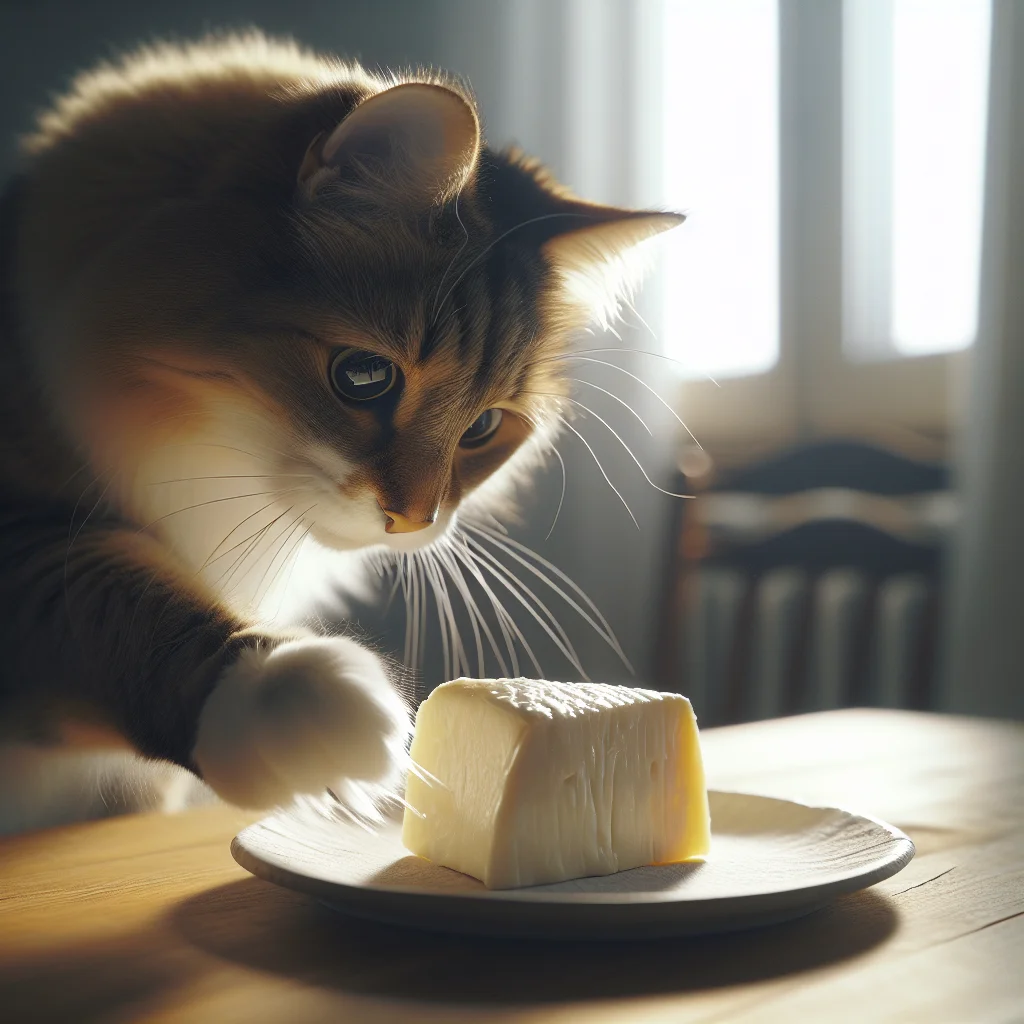
Mozzarella cheese is a popular dairy product that many humans enjoy, but its appropriateness for cats is a topic of caution. The primary concern lies in the lactose content and the fats present in mozzarella, which can pose digestive challenges to our feline friends. Cats are obligate carnivores with a digestive system that is not fully equipped to handle dairy products due to lactase deficiency, the enzyme responsible for breaking down lactose. When cats consume mozzarella, they may experience digestive discomfort, including diarrhea or vomiting.
What Happens if a Cat Eats Mozzarella?
When a cat consumes mozzarella, the lactose in the cheese can lead to gastrointestinal upset. Symptoms may include bloating, gas, diarrhea, and vomiting. This is because most adult cats are lactose intolerant, lacking sufficient lactase to process lactose efficiently. While mozzarella is lower in lactose compared to some other cheeses, even small amounts can trigger these symptoms in sensitive cats. Fatty content in mozzarella can also contribute to obesity and pancreatitis over time if consumed frequently.
How Much Mozzarella is Too Much for Cats?
Even small amounts of mozzarella can be problematic for lactose-intolerant cats. A small bite or shred might not cause immediate harm, but regular consumption can lead to long-term health issues such as obesity, pancreatitis, and continued digestive upset. If you choose to offer mozzarella as a rare treat, ensure it is a minimal amount, and observe your cat for any adverse reactions. Consistent exposure to dairy can exacerbate intolerance symptoms and lead to more severe health complications.
Are There Any Benefits to Cats Eating Mozzarella?
While mozzarella does contain calcium and protein, nutrients beneficial to cats, the potential risks often outweigh the benefits. Cats derive their necessary nutrients best from animal-based sources, which are more aligned with their natural diet. Cheese as a source of nutrition is not ideal for cats, as their dietary needs are best met through high-quality cat food formulated to provide balanced nutrition without the risks associated with lactose.
What Alternatives Can I Offer My Cat?
If you're looking for a treat to offer your cat, consider options that are designed specifically for feline health. Many pet stores offer lactose-free cat treats that provide similar textures and flavors without the gastrointestinal risks. Meat-based treats or those containing catnip can also serve as exciting and safe options. Always ensure that any treat given is compatible with your cat's dietary needs and is administered in moderation.
Can Kittens Eat Mozzarella?
Kittens, unlike adult cats, may have a slightly better tolerance to lactose due to their higher levels of lactase during weaning. However, as they grow, this enzyme diminishes. While a small amount of mozzarella might not harm a kitten, relying on it as a regular dietary component is not advised. Kittens require a specific diet rich in proteins and fats that cater to their developmental needs, best provided by high-quality kitten food.
Toxicity Levels
| Type | Amount | Risk |
|---|---|---|
| Mozzarella | Small bite | Low |
| Mozzarella | Slice | Moderate |
| Mozzarella | Multiple slices | High |
| Mozzarella | Regular consumption | Very High |
| Lactose-free mozzarella | Small bite | Low |
| Lactose-free mozzarella | Slice | Moderate |
Symptoms to Watch For
- Vomiting
- Gas
- Diarrhea
- Bloating
- Lethargy
Frequently Asked Questions
Is mozzarella dangerous for cats?
Can lactose-free mozzarella be given to cats?
Why do cats like mozzarella?
What should I do if my cat accidentally ate mozzarella?
Are there any safe cheese options for cats?