
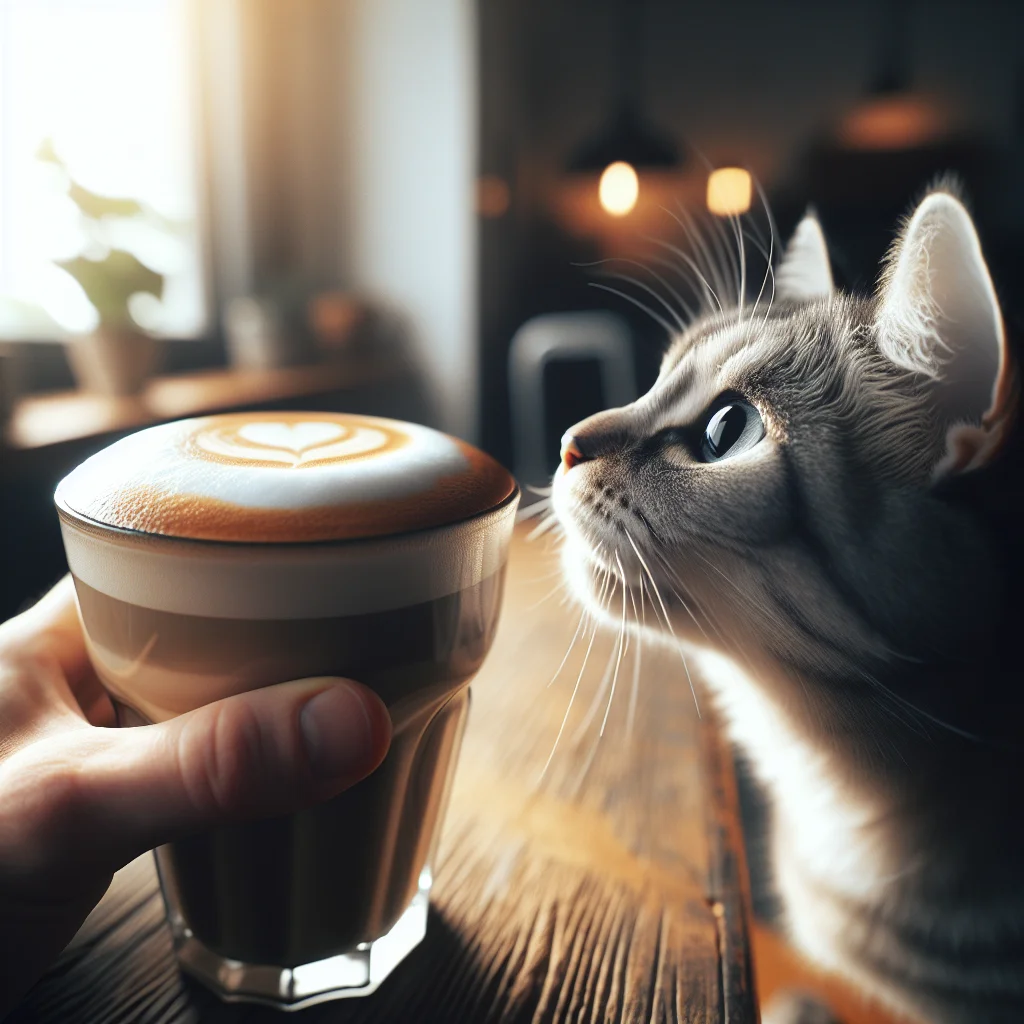
If you suspect your pet has ingested this food, do not wait for symptoms. Contact your veterinarian immediately.
Toxic. Lattes are not a suitable beverage for cats due to the presence of lactose and caffeine. Cats are naturally lactose intolerant, meaning their digestive systems lack the necessary enzymes to properly break down lactose, a sugar found in milk. This can lead to gastrointestinal distress. Additionally, caffeine, a common component in lattes, is toxic to cats and can cause a range of harmful effects, from restlessness to potentially fatal heart arrhythmias.
Can cats digest lactose found in lattes?
Cats, unlike humans, do not retain the enzyme lactase in their digestive systems beyond weaning. Lactase is crucial for digesting lactose, the primary sugar in milk. Without it, lactose passes undigested through the gastrointestinal tract, often resulting in diarrhea, bloating, and abdominal pain. While some adult cats may not exhibit immediate symptoms, repeated exposure to lactose can lead to chronic digestive issues and discomfort.
How does caffeine in lattes affect cats?
Caffeine is a stimulant that affects the central nervous system and heart. In cats, even small amounts can cause restlessness, rapid breathing, heart palpitations, and muscle tremors. Severe cases may lead to seizures or cardiac arrest. Cats are particularly sensitive to caffeine, and the concentration found in a typical latte can be dangerous, if not lethal, depending on the cat's size and health status.
What are the signs of lactose intolerance in cats?
Signs of lactose intolerance in cats include diarrhea, vomiting, gas, and abdominal pain. These symptoms typically occur within a few hours of consuming lactose-containing products like milk in lattes. Cats may also show signs of dehydration if diarrhea is severe. It's crucial for cat owners to monitor their pets for these symptoms and consult a veterinarian if they occur.
Can cats have any type of milk?
While regular cow's milk should be avoided, there are lactose-free milk options designed specifically for cats. These products are formulated to be safe and nutritionally appropriate for feline consumption, providing a safe alternative for cats that enjoy milk. However, it's always best to offer water as the primary beverage to keep your cat properly hydrated.
Why do some cats seem to enjoy milk despite the risk?
Cats may be attracted to milk due to its fat content and creamy texture, which can be enticing. However, enjoyment does not equate to safety, and the risks associated with lactose and caffeine far outweigh any perceived benefits. Owners should prioritize their cat's health over their preferences and offer treats that are safe and nutritionally beneficial.
Toxicity Levels
| Type | Amount | Risk |
|---|---|---|
| Lactose | Moderate | Digestive upset |
| Caffeine | Low | Severe |
| Milk fat | Moderate | Weight gain |
| Sugar | High | Diabetes |
| Flavors | Varied | Unknown reactions |
Symptoms to Watch For
- Vomiting
- Diarrhea
- Gas
- Abdominal Pain
- Restlessness
Frequently Asked Questions
How much caffeine is dangerous for cats?
What should I do if my cat accidentally drinks latte?
Are there any safe coffee alternatives for cats?
Why are cats lactose intolerant?
Can kittens drink milk?