If you suspect your pet has ingested this food, do not wait for symptoms. Contact your veterinarian immediately.
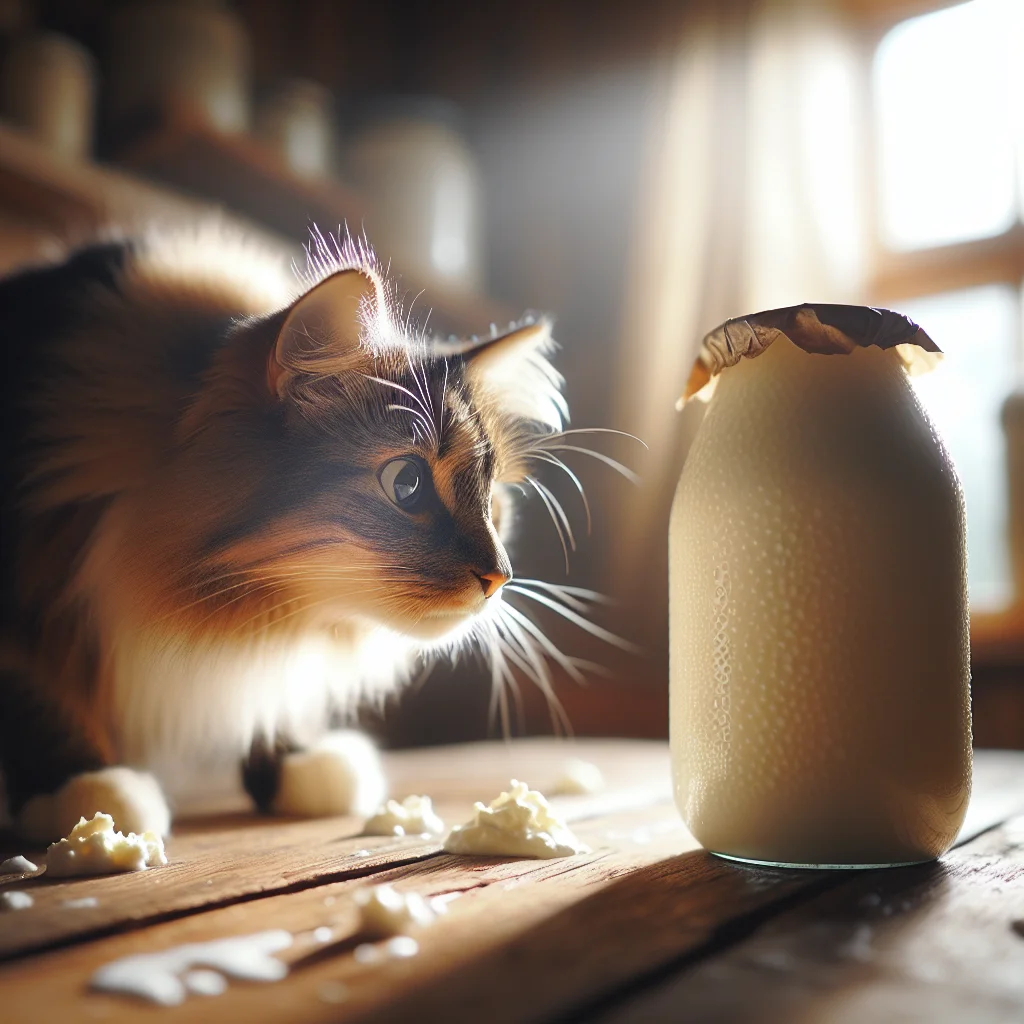
Kefir is considered safe, but with caution for cats. The primary concern with kefir involves its lactose content. While kefir is fermented and contains less lactose than regular milk, cats, being obligate carnivores, have varying degrees of lactose intolerance. This means that even small amounts of lactose can cause digestive issues in some felines. Additionally, the live cultures present in kefir, including probiotics, may affect cats differently than humans, sometimes leading to gastrointestinal disturbances.
What is Kefir and How Does it Affect Cats?
Kefir is a fermented dairy product rich in probiotics and beneficial bacteria. For humans, it supports gut health and boosts immunity. In cats, the high probiotic content can have mixed effects. While some cats might benefit from improved digestion, others could experience diarrhea or an upset stomach. The live bacteria in kefir can alter the gut flora, which might be beneficial for some cats, especially those with digestive issues. However, there's always a risk of adverse reactions due to their sensitive digestive systems. It's crucial to start with very small amounts and observe any changes in your cat's behavior or health.
Can Kefir Be Beneficial for Cats?
In controlled amounts, kefir could offer certain health benefits to cats. The probiotics present in kefir can potentially aid in digestion and enhance nutrient absorption. For cats with specific digestive problems, kefir might help balance the gut microbiome. However, it is essential to note that the effectiveness of kefir varies significantly among individual cats. Some may show improved vitality and digestive health, while others may not tolerate it well. As always, consult with a veterinarian before introducing kefir to your cat's diet to determine if it could be beneficial.
How Much Kefir Should I Give My Cat?
If you decide to offer kefir to your cat, moderation is key. Start with a teaspoon of plain, unsweetened kefir and monitor your cat's response. Gradually increase the amount if there are no adverse reactions. However, the total intake should not exceed a tablespoon per day. Keep in mind that too much kefir can lead to gastrointestinal issues such as diarrhea or vomiting. Always choose plain kefir without added sugars or flavors, as these can be harmful to cats. Regular monitoring and consultation with a vet are advisable.
What Are the Signs of Kefir Intolerance in Cats?
Signs of kefir intolerance in cats include vomiting, diarrhea, and excessive gas. A cat may also display lethargy, decreased appetite, or changes in behavior. Allergic reactions might manifest as skin irritations or respiratory issues. If any of these symptoms occur, discontinue kefir immediately and consult a veterinarian. Documenting your cat's reactions can be helpful for the vet to suggest alternative dietary options or treatments.
Are There Alternatives to Kefir for Cats?
If kefir does not agree with your cat, there are alternative ways to support their digestive health. Probiotic supplements designed specifically for cats are available in pet stores and veterinary clinics. These supplements are tailored to feline needs, ensuring they receive the benefits without the risks associated with dairy products. Additionally, feeding a balanced diet with high-quality protein sources and adequate hydration can naturally support your cat's digestive system.
Toxicity Levels
| Type | Amount | Risk |
|---|---|---|
| Plain Kefir | 1 tsp | Low |
| Plain Kefir | 1 tbsp | Moderate |
| Flavored Kefir | Any | High |
| Sweetened Kefir | Any | High |
| Excessive Kefir | More than 1 tbsp | High |
Symptoms to Watch For
- Vomiting
- Diarrhea
- Abdominal Discomfort
- Lethargy
- Skin Irritations
Frequently Asked Questions
Is kefir safe for all cats?
Can kittens drink kefir?
How often can I give kefir to my cat?
What should I do if my cat has a bad reaction to kefir?
Are there any long-term risks of giving kefir to cats?