
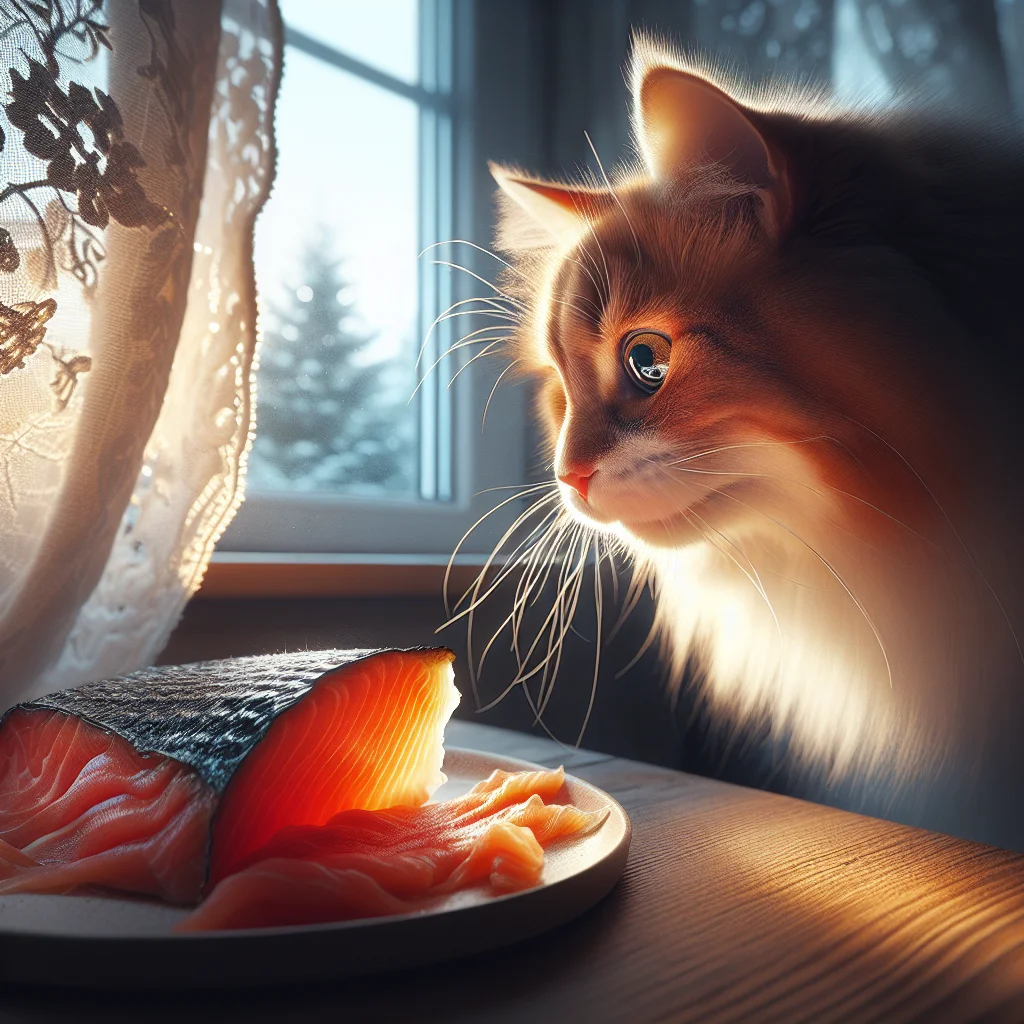
If you suspect your pet has ingested this food, do not wait for symptoms. Contact your veterinarian immediately.
Toxic. Smoked salmon poses significant health risks to cats due to its high salt content and potential preservatives that can be harmful. The salt levels in smoked salmon can lead to sodium ion poisoning in cats, which is a serious condition that requires immediate veterinary attention. Additionally, smoked salmon may contain seasonings like garlic or onion powders, which are toxic to cats. It's crucial to understand these risks to protect your feline companion.
Why is smoked salmon risky for cats?
Smoked salmon is risky for cats primarily because of its high salt content. Cats have a much lower tolerance for sodium than humans, and consuming smoked salmon can lead to sodium ion poisoning. Symptoms of this condition include vomiting, diarrhea, excessive thirst, lethargy, and in severe cases, seizures. Furthermore, smoked salmon often contains preservatives such as nitrates and nitrites, which can be harmful to cats. These substances can lead to methemoglobinemia, a condition where the blood's ability to carry oxygen is reduced. It's essential to keep smoked salmon away from your cat's diet.
What are the symptoms of sodium ion poisoning in cats?
Sodium ion poisoning in cats can manifest with several alarming symptoms. Initially, you may notice your cat experiencing vomiting and diarrhea, which can quickly lead to dehydration. As the condition progresses, your cat might become excessively thirsty and lethargic. In more severe cases, neurological symptoms such as tremors, seizures, or even coma can occur. If you suspect your cat has ingested smoked salmon or any high-sodium food, it's critical to seek veterinary care immediately to prevent these severe outcomes.
How can I prevent my cat from eating smoked salmon?
Preventing your cat from consuming smoked salmon involves taking a few proactive steps. Firstly, ensure that smoked salmon is stored safely out of reach of your cat. Cats are naturally curious and may be attracted to the smell. Secondly, educate everyone in your household about the risks of feeding smoked salmon to cats. If you like to treat your cat with fish, opt for safer alternatives such as plain, cooked fish with no added salt or seasonings. Regularly monitor your cat's diet and keep harmful foods off-limits to maintain their health.
Are there safe alternatives to smoked salmon for cats?
Yes, there are several safe alternatives to smoked salmon that can provide your cat with the nutritional benefits of fish without the risks. Plain, cooked salmon, without any added salt or seasonings, is an excellent option. You can also consider offering your cat canned fish like tuna or sardines, ensuring they are packed in water rather than oil. These alternatives provide omega-3 fatty acids, which are beneficial for your cat's coat and overall health. Always remember to introduce new foods to your cat's diet gradually and consult your veterinarian for personalized advice.
What should I do if my cat accidentally eats smoked salmon?
If your cat accidentally ingests smoked salmon, it's important to act quickly. Monitor your cat for any signs of distress such as vomiting, diarrhea, or lethargy. Contact your veterinarian immediately to seek advice based on the amount consumed and your cat's weight. Your vet may recommend inducing vomiting or bringing your cat in for a check-up. Do not attempt to treat your cat at home without professional guidance, as timely veterinary intervention is crucial to prevent serious health issues.
Toxicity Levels
| Type | Amount | Risk |
|---|---|---|
| Smoked Salmon | Any | High |
| Cooked Salmon | Moderate | Low |
| Canned Tuna | Occasional | Moderate |
| Canned Sardines | Moderate | Low |
| Raw Salmon | Any | High |
Symptoms to Watch For
- Vomiting
- Diarrhea
- Excessive Thirst
- Lethargy
- Seizures
Frequently Asked Questions
Is smoked salmon ever safe for cats?
Can a small amount of smoked salmon hurt my cat?
What are the long-term effects of feeding my cat smoked salmon?
Are all types of smoked fish dangerous for cats?
What are signs of salt poisoning in cats?