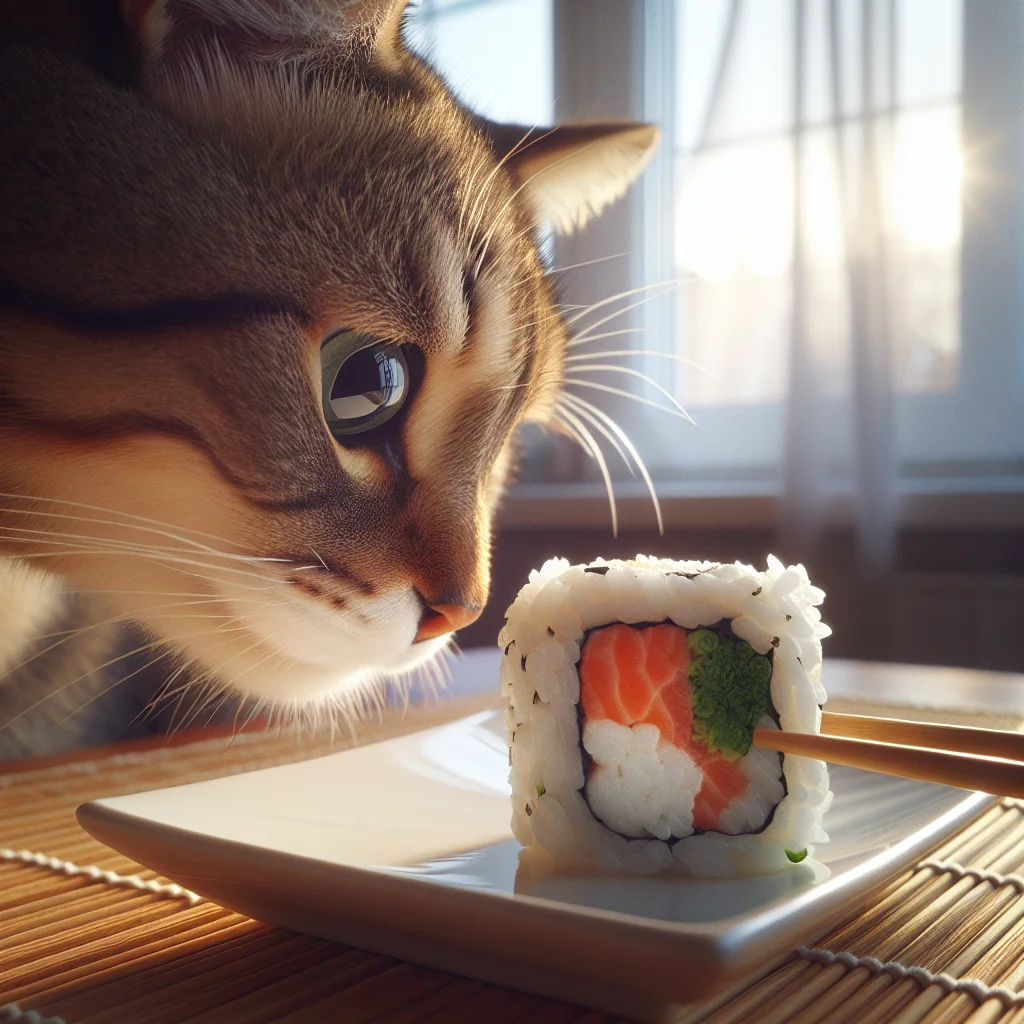
If you suspect your pet has ingested this food, do not wait for symptoms. Contact your veterinarian immediately.
California Rolls are generally unsafe for cats to consume due to their ingredients, which may include avocado, imitation crab, and other elements that can be harmful to our feline companions. Avocado contains persin, a fungicidal toxin that can cause vomiting and diarrhea in cats. Additionally, imitation crab is highly processed and can contain additives that aren't suitable for cats. While an occasional small taste might not be immediately harmful, regular consumption or large quantities can lead to health issues.
What Happens if a Cat Eats California Rolls?
When a cat consumes California Rolls, the effects can vary based on the ingredients and the amount ingested. Cats may experience mild gastrointestinal distress, including vomiting or diarrhea, due to the persin in avocado or additives in imitation crab. If consumed in large amounts, these symptoms can become more severe, leading to dehydration and a need for veterinary care. Additionally, the high sodium content in soy sauce, often accompanying sushi, can be detrimental to a cat’s health, causing increased thirst and potentially leading to sodium ion poisoning.
Are All Parts of a California Roll Dangerous to Cats?
Not all components of a California Roll are equally harmful, but caution is still advised. The rice itself is generally safe, albeit nutritionally lacking for cats. The imitation crab, while not toxic, contains additives and preservatives that are not ideal for feline consumption. Avocado is particularly concerning due to the presence of persin, which can be toxic. The seaweed wrapper is generally low risk but offers no nutritional benefit. It's important to avoid giving your cat any sushi that contains these elements, especially in combination.
What Should I Do if My Cat Ate a California Roll?
If your cat has ingested a California Roll, monitor them closely for any signs of distress such as vomiting, diarrhea, or lethargy. If these symptoms occur, it's advisable to contact your veterinarian for guidance. They may recommend bringing your cat in for an examination or providing supportive care at home. In the absence of symptoms, ensure your cat has access to fresh water and monitor their behavior over the next 24 hours. Prevention is the best approach, so ensure that sushi is kept out of reach of curious paws.
Can Cats Eat Sushi in General?
While cats may be attracted to the fishy smell of sushi, it's not recommended to share sushi with your feline friend. Many sushi ingredients, including raw fish, can pose health risks to cats. Raw fish may contain bacteria or parasites that are harmful to cats, and some fish contain thiaminase, an enzyme that breaks down thiamine (vitamin B1), leading to a deficiency. Additionally, the seasoned rice in sushi is often prepared with vinegar and sugar, which are not suitable for cats. As a cat owner, it's best to stick to cat-specific treats and foods.
Are There Safe Alternatives to California Rolls for Cats?
If you're looking to treat your cat to something special, consider cat-safe alternatives that mimic the sushi experience without the risks. Offer small pieces of cooked, plain fish like salmon or tuna, ensuring there are no bones and that it is free of seasoning. Additionally, there are commercially available cat treats that are designed to resemble fish or sushi, providing a safe and healthy option for your pet. Always introduce new foods gradually and in moderation to avoid digestive upset.
Toxicity Levels
| Type | Amount | Risk |
|---|---|---|
| Avocado | Small | Moderate |
| Imitation Crab | Moderate | Low |
| Soy Sauce | Small | High |
| Seaweed | Moderate | Low |
| Sushi Rice | Large | Moderate |
Symptoms to Watch For
- Vomiting
- Diarrhea
- Lethargy
- Dehydration
- Increased Thirst
Frequently Asked Questions
Is avocado in California Rolls harmful to cats?
Can imitation crab be given to cats?
What should I do if my cat shows symptoms after eating California Roll?
Is seaweed safe for cats?
Are there cat-safe sushi treats available?