
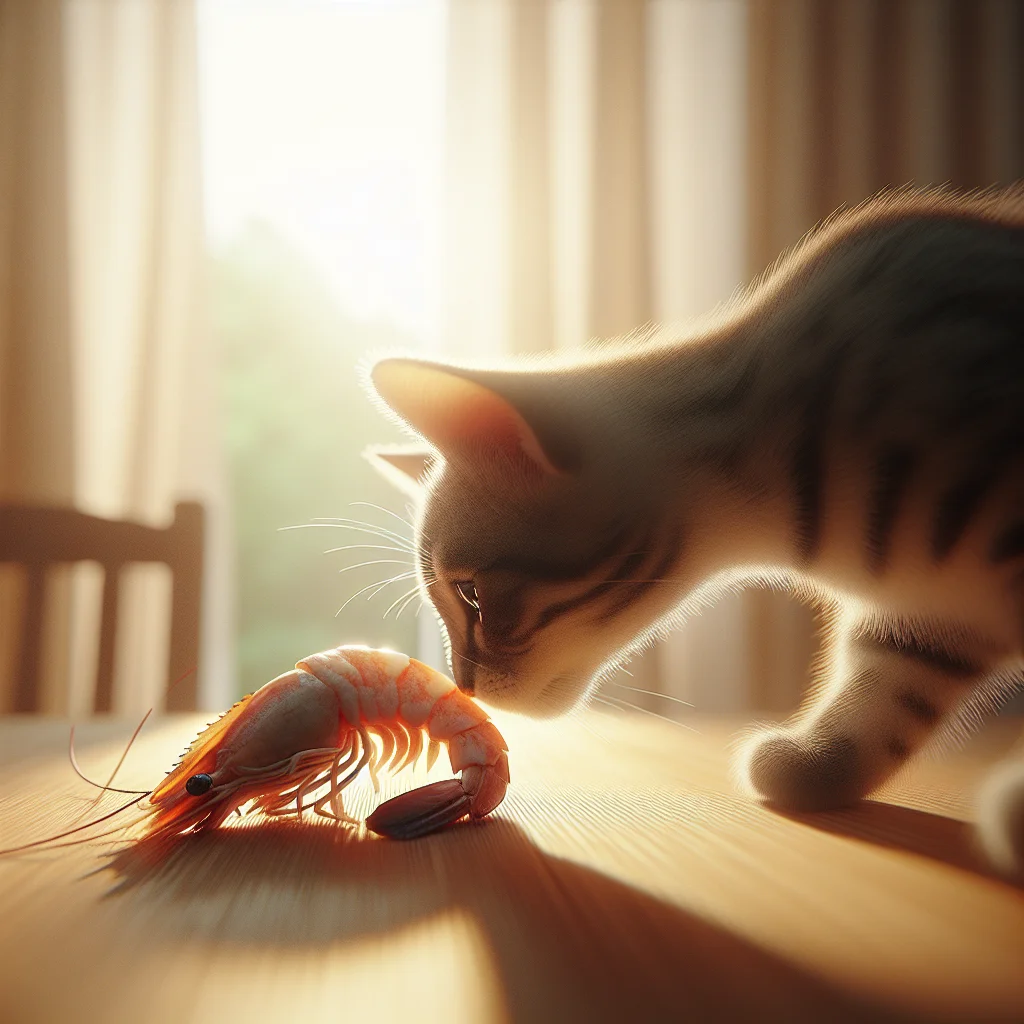
Safe verdict: Cooked shrimp is safe for cats to eat. The primary concern with feeding shrimp to cats is ensuring that it is properly cooked to eliminate any harmful bacteria or parasites. Shrimp is a high-protein food that can be beneficial for cats when given in moderation. It contains taurine, an essential amino acid for cats, and omega-3 fatty acids that support healthy skin and a shiny coat.
Can cats benefit from eating cooked shrimp?
Cats can indeed benefit from eating cooked shrimp, as it is rich in protein and essential nutrients. Shrimp contains taurine, which is crucial for maintaining a cat's heart health, vision, and reproductive systems. Additionally, the omega-3 fatty acids in shrimp help improve skin health and coat texture. However, it's important to ensure that the shrimp is unseasoned and free from additives like garlic or onions, which can be toxic to cats.
How should I prepare shrimp for my cat?
When preparing shrimp for your cat, it is vital to cook it thoroughly to avoid the risk of bacterial contamination. Boiling or steaming shrimp is the best method, as it preserves the nutrients without adding any harmful ingredients. Never serve shrimp with seasoning, sauces, or spices, as these can be harmful to your cat's health. Additionally, always remove the shell, head, and tail to prevent choking hazards.
What is the recommended amount of shrimp for cats?
Moderation is key when feeding shrimp to your cat. A small portion size, such as one or two shrimp, is adequate for an occasional treat. Overfeeding shrimp can lead to weight gain and nutritional imbalances, as it should not replace a balanced cat diet. Treat shrimp as a supplementary snack rather than a primary food source to maintain your cat's overall health.
Are there any risks associated with feeding shrimp to cats?
While cooked shrimp is generally safe for cats, there are potential risks if it is not prepared correctly. Raw shrimp can carry bacteria or parasites that may cause illness in cats. Additionally, shrimp shells pose a choking hazard and should always be removed. Cats with seafood allergies might also experience allergic reactions, so it's important to monitor your pet after introducing shrimp to their diet.
How can I tell if my cat has an allergic reaction to shrimp?
If your cat is allergic to shrimp, you may notice symptoms such as vomiting, diarrhea, itching, or swelling around the face and paws. If any of these symptoms occur, discontinue feeding shrimp and consult your veterinarian for guidance. It is always a good idea to introduce any new food to your cat's diet slowly and observe for any adverse reactions.
Toxicity Levels
| Type | Amount | Risk |
|---|---|---|
| Raw Shrimp | Any | High |
| Cooked Shrimp (Plain) | 1-2 pieces | Low |
| Seasoned Shrimp | Any | High |
| Shrimp Shells | Any | Medium |
| Shrimp with Garlic/Onions | Any | High |
Symptoms to Watch For
- Vomiting
- Diarrhea
- Itching
- Swelling
- Lethargy
Frequently Asked Questions
Can cats eat raw shrimp?
Is shrimp a good source of protein for cats?
How often can I give my cat shrimp?
What should I do if my cat chokes on shrimp?
Can shrimp cause digestive issues in cats?