
If you suspect your pet has ingested this food, do not wait for symptoms. Contact your veterinarian immediately.
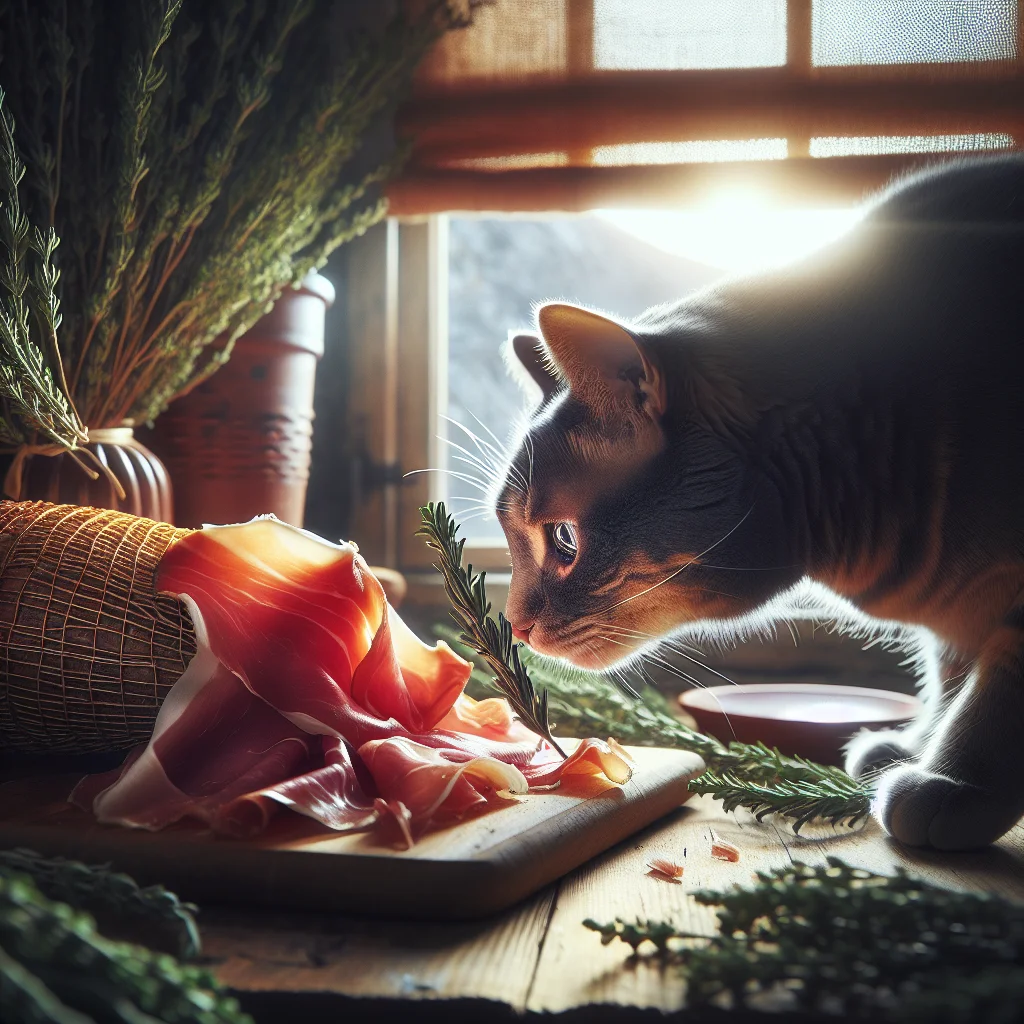
Toxic. Prosciutto, or Italian cured ham, is not safe for cats due to its high salt content and preservatives. Cats, being obligate carnivores, require a diet that is high in protein and moisture but low in additives like salt and nitrates, which are abundant in prosciutto. Excessive sodium intake can lead to sodium ion poisoning in cats, causing symptoms such as vomiting, diarrhea, and even neurological damage. Therefore, it is strongly advised to keep prosciutto out of your cat’s diet.
Why is prosciutto harmful to cats?
Prosciutto is laden with salt and preservatives such as nitrates and nitrites, which are used to cure the meat. These compounds can be particularly harmful to cats. The feline body is not equipped to process large amounts of sodium, leading to potential sodium ion poisoning. Cats are also sensitive to nitrates and nitrites, which can interfere with the blood's ability to carry oxygen, resulting in methemoglobinemia. Additionally, other preservatives and seasonings may cause gastrointestinal upset or more severe toxic reactions.
What are the symptoms of prosciutto poisoning in cats?
If a cat consumes prosciutto, symptoms of sodium ion poisoning may appear within a few hours. Look for signs such as vomiting, diarrhea, excessive thirst or urination, and lethargy. In severe cases, a cat may experience tremors, seizures, or coma. Methemoglobinemia, resulting from nitrate exposure, can cause symptoms like cyanosis (bluish discoloration of the skin), difficulty breathing, and weakness. Immediate veterinary attention is crucial if any of these symptoms are observed.
How much prosciutto is dangerous for a cat?
Even small amounts of prosciutto can pose a risk to a cat due to the high concentration of harmful substances. A slice or two might not seem like much, but considering a cat's relatively small body size, even a small amount of salt and preservatives can be harmful. It is best to avoid feeding prosciutto to cats entirely and choose safer, cat-friendly treats instead.
What should I do if my cat eats prosciutto?
If a cat eats prosciutto, it is important to monitor them closely for any signs of distress. Symptoms can appear quickly, and timely intervention is key. Contact your veterinarian or an emergency animal clinic for guidance. They may advise inducing vomiting or administering activated charcoal to prevent further absorption of toxins. In severe cases, hospitalization and supportive care, such as IV fluids, may be necessary.
Are there safer alternatives to prosciutto for cats?
Yes, there are many safe and nutritious alternatives to prosciutto for cats. Consider offering cooked, unseasoned meats such as chicken or turkey, which provide the protein cats need without harmful additives. Many commercial cat treats are designed to be both appealing and safe for feline consumption. When in doubt, consult with your veterinarian to find the best dietary options for your cat.
Toxicity Levels
| Type | Amount | Risk |
|---|---|---|
| Prosciutto | Small Piece | Moderate |
| Prosciutto | One Slice | High |
| Prosciutto | Multiple Slices | Severe |
| Cured Meats | Any Amount | High |
| Salty Foods | Small Amount | Moderate |
Symptoms to Watch For
- Vomiting
- Diarrhea
- Excessive Thirst
- Lethargy
- Seizures
Frequently Asked Questions
Can cats eat any kind of cured meat?
What if my cat shows no symptoms after eating prosciutto?
Can a small amount of prosciutto be used as a cat treat?
Why is salt harmful to cats?
Are there any meats cats should avoid entirely?