
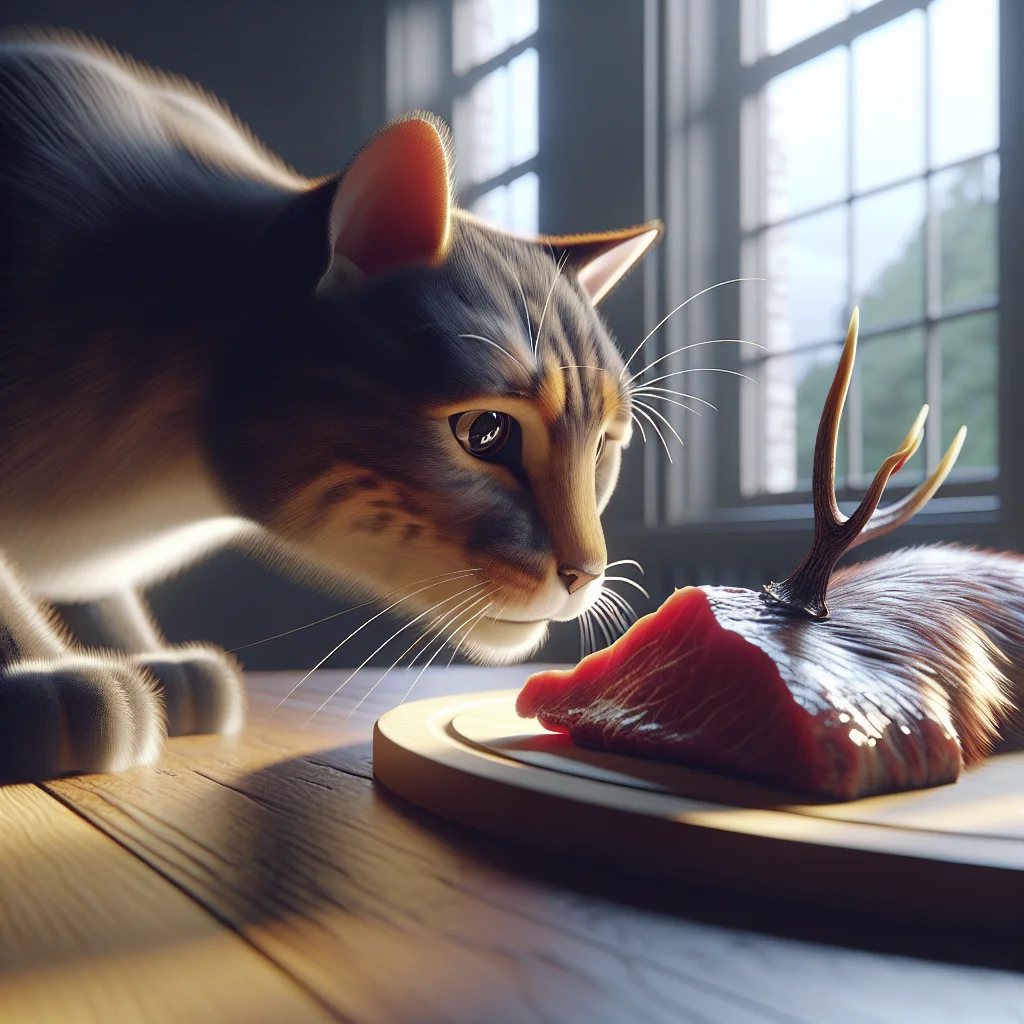
Safe: Venison is considered safe for cats. As a novel protein source, venison can be a great option for cats with food allergies or sensitivities. Unlike common meats such as chicken or beef, venison is less likely to provoke allergic reactions, making it a beneficial protein for feline diets. The lean nature of venison also offers a lower fat content, contributing to a healthier weight management for your pet. With its high protein and essential amino acids, venison supports muscle development and overall health in cats.
Is Venison Good for Cats?
Venison can be a fantastic choice for cats, especially those with food allergies. Being a novel protein, it is less likely to cause adverse reactions when compared to more common proteins like chicken or beef. The lean meat of venison provides a high-quality protein source, aiding in muscle maintenance and energy levels. It is also rich in vital nutrients such as iron and zinc, which support immune function and metabolic processes. For cats struggling with obesity, venison can be a good option due to its lower fat content, helping maintain a healthy body weight.
How Should I Serve Venison to My Cat?
When introducing venison to your cat's diet, it is important to do so gradually. Start by offering small portions of cooked venison, ensuring it is free from seasonings and additives which can be harmful to cats. Raw feeding is an option, but it should be done with caution and ideally under the guidance of a veterinarian to ensure a balanced diet. Commercial venison cat food products can also be considered as they are formulated to meet the nutritional needs of cats. Always monitor your cat for any signs of digestive upset or allergic reactions when introducing new foods.
Can Venison Cause Allergies in Cats?
While venison is generally a safe protein for cats, it is not completely free from the potential to cause allergies. Each cat is unique, and some may still exhibit allergic reactions to venison. Symptoms of food allergies in cats can include vomiting, diarrhea, itchy skin, and ear infections. If you notice any of these symptoms after introducing venison to your cat's diet, it is advisable to consult with a veterinarian. Conducting an elimination diet can help identify the specific allergen, allowing you to tailor your cat’s diet accordingly.
What Are the Nutritional Benefits of Venison for Cats?
Venison is packed with essential nutrients that contribute to your cat's overall health. It is an excellent source of high-quality protein, which is crucial for muscle development and repair. The presence of important amino acids in venison supports skin and coat health, while its rich iron content is vital for oxygen transport in the blood. Additionally, venison provides zinc, which plays a role in immune system function and wound healing. With a lower fat content, venison can help manage your cat's weight, reducing the risk of obesity-related health issues.
Are There Any Risks of Feeding Venison to Cats?
While venison is generally considered safe for cats, there are a few considerations to keep in mind. Overconsumption of venison, as with any protein, can lead to nutrient imbalances if not properly managed. It is essential to ensure that venison is part of a balanced diet, complemented by other food sources to meet all of your cat's nutritional needs. Additionally, wild venison can carry parasites or bacteria, so it is crucial to ensure the meat is properly cooked or sourced from a reliable and safe supplier. Regular veterinary check-ups can help monitor your cat's health and diet.
Toxicity Levels
| Type | Amount | Risk |
|---|---|---|
| Cooked Venison | Moderate | Low |
| Raw Venison | Moderate | Moderate |
| Venison with Additives | Small | High |
| Commercial Venison Cat Food | Normal | Low |
| Wild Venison | Moderate | High |
Symptoms to Watch For
- Vomiting
- Diarrhea
- Itchy Skin
- Ear Infections
- Weight Loss
Frequently Asked Questions
Can venison be a staple in my cat's diet?
How do I introduce venison to my cat for the first time?
Is raw venison safe for cats?
Can my kitten eat venison?
What should I do if my cat has an allergic reaction to venison?