
If you suspect your pet has ingested this food, do not wait for symptoms. Contact your veterinarian immediately.
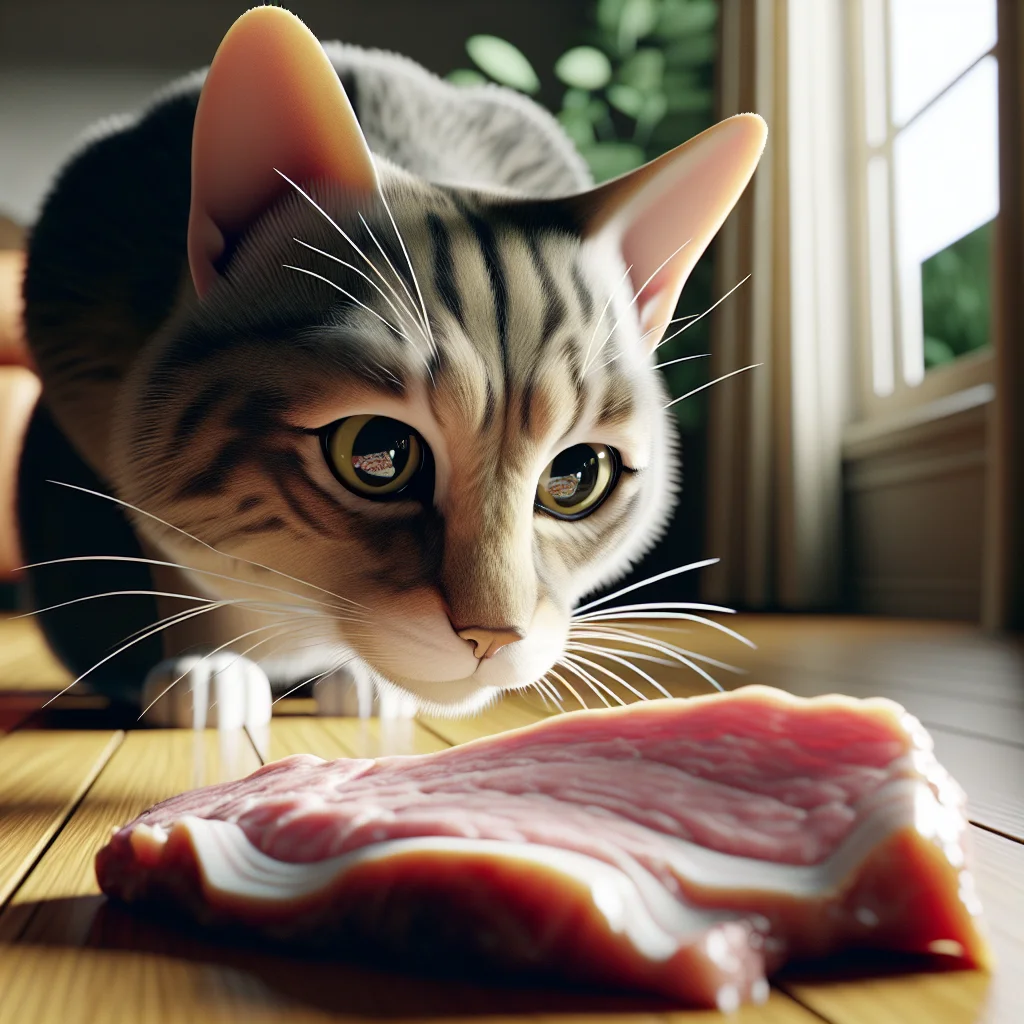
Pork, in its raw form, poses a 'caution' verdict for feline consumption. While cats are obligate carnivores and require a diet rich in animal proteins, the consumption of uncooked pork can expose them to harmful parasites such as Trichinella spiralis, leading to trichinosis. This condition results from ingesting larvae present in undercooked pork, which can cause severe gastrointestinal distress and muscle inflammation in cats.
Why is Pork a Risky Choice for Cats?
Many pet owners wonder about the safety of including pork in their cat's diet. The primary concern lies in the potential for trichinosis and the presence of harmful bacteria such as Salmonella and E. coli in raw pork. These pathogens can lead to severe food poisoning, causing symptoms such as vomiting, diarrhea, and fatigue. While cooked pork reduces these risks, it is crucial to ensure it is thoroughly cooked to eliminate these pathogens. Additionally, pork is high in fat, which can lead to obesity and pancreatitis in cats, further complicating its inclusion in their diet. Therefore, when considering pork for your feline friend, it's vital to weigh these risks carefully and opt for safer alternatives when possible.
How Can Pork Affect a Cat's Health?
Pork, especially when raw or undercooked, can have detrimental effects on a cat's health. The high-fat content in pork can lead to pancreatitis, an inflammation of the pancreas that causes severe abdominal pain and vomiting. Moreover, the presence of parasites and bacteria in raw pork can lead to serious gastrointestinal issues, weakening the cat's overall health. Even cooked pork should be given sparingly due to its fat content, which can increase the risk of obesity and related health issues such as diabetes. In essence, while pork can be a protein source, it carries significant health risks that require careful consideration.
What Are the Symptoms of Pork Poisoning in Cats?
If a cat consumes contaminated or excessively fatty pork, it may exhibit symptoms of poisoning. Key symptoms include vomiting, diarrhea, lethargy, and abdominal pain. In severe cases, symptoms of trichinosis, such as muscle pain and stiffness, may occur. Additionally, if a cat suffers from pancreatitis due to high-fat intake, it might exhibit signs like decreased appetite and dehydration. Recognizing these symptoms early is crucial for timely veterinary intervention and treatment.
What Should You Do If Your Cat Eats Raw Pork?
If your cat accidentally consumes raw pork, immediate action is necessary. Monitor your pet closely for any signs of illness, such as vomiting or diarrhea. Contact your veterinarian promptly for advice, as early intervention can prevent more severe health complications. Your vet may recommend tests to check for parasites or bacterial infections and provide treatment to address any symptoms. It's also important to keep raw pork out of reach and educate household members about the potential risks to prevent future incidents.
Are There Safe Alternatives to Pork for Cats?
Fortunately, there are many safer alternatives to pork that can meet your cat's nutritional needs. Chicken, turkey, and fish are excellent protein sources that are less likely to contain harmful pathogens and have a lower fat content. Additionally, these meats can be cooked thoroughly to ensure safety and provide essential nutrients without the risks associated with pork. When choosing protein sources for your cat, prioritize lean meats and ensure they are cooked without added spices or seasonings, which can be harmful to cats.
Toxicity Levels
| Type | Amount | Risk |
|---|---|---|
| Raw Pork | Any | High |
| Cooked Pork | Small | Moderate |
| Pork Fat | Any | High |
| Seasoned Pork | Any | High |
| Pork Bones | Any | High |
Symptoms to Watch For
- Vomiting
- Diarrhea
- Lethargy
- Abdominal Pain
- Muscle Pain
Frequently Asked Questions
Can cats eat cooked pork?
Why is raw pork dangerous for cats?
What should I do if my cat shows symptoms after eating pork?
How can I safely prepare pork for my cat?
Are there specific pork cuts that are safer for cats?