
If you suspect your pet has ingested this food, do not wait for symptoms. Contact your veterinarian immediately.
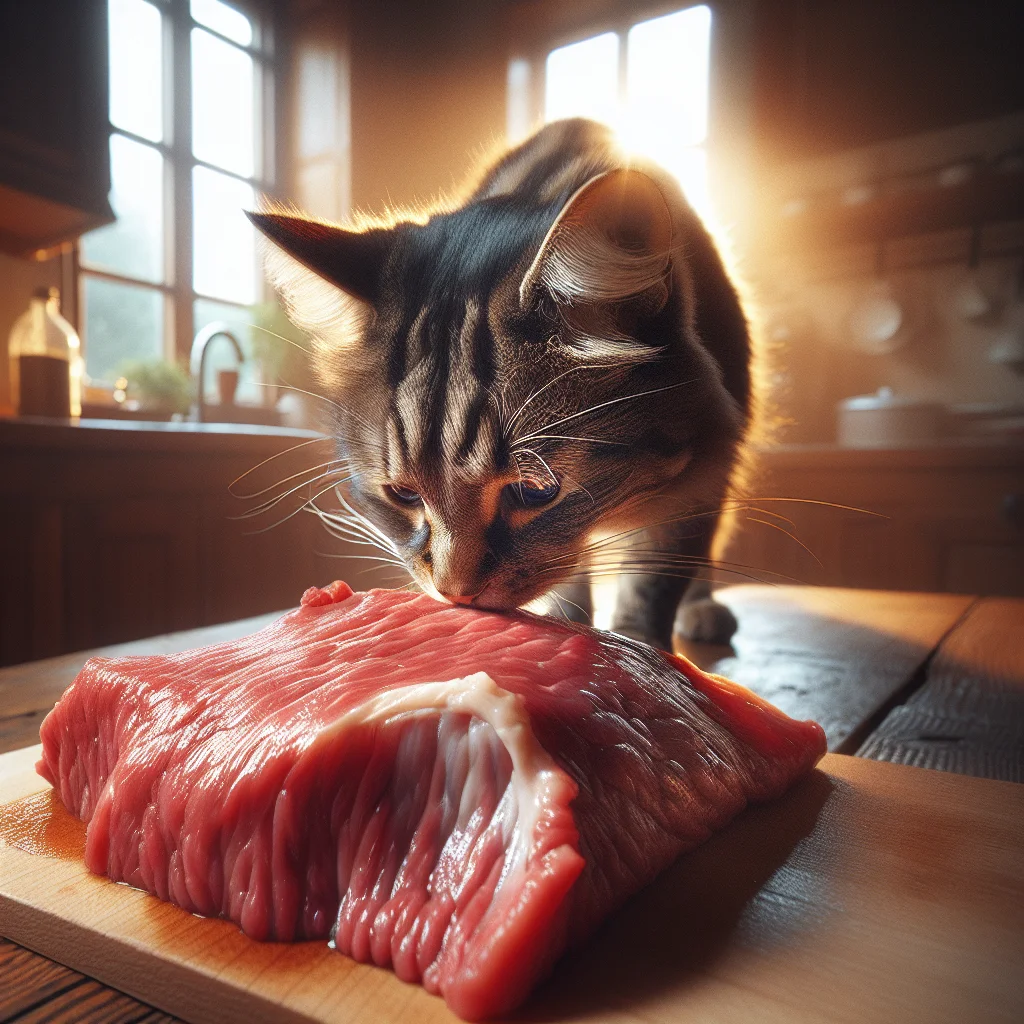
Raw beef for cats is a subject that demands caution. Raw beef can harbor harmful bacteria such as Salmonella and E. coli, posing a risk to your cat's health. These pathogens can lead to severe gastrointestinal issues, and while cats have some natural defenses, they aren't impervious to these dangers. Additionally, raw beef lacks the balanced nutrients found in commercial cat foods, which are essential for a cat's well-being.
Is Raw Beef Safe for Cats to Eat?
Feeding raw beef to cats is fraught with risks. While some cats may tolerate it, the potential for contamination with bacteria like Salmonella or E. coli is significant. Cats can become severely ill, displaying symptoms such as vomiting, diarrhea, and lethargy. Moreover, raw beef lacks essential nutrients, leading to an unbalanced diet if given regularly without supplements. It's crucial to consult with a veterinarian before introducing raw beef into your cat's diet.
What Are the Health Risks of Feeding Raw Beef to Cats?
Raw beef can introduce harmful bacteria into a cat's system, resulting in foodborne illnesses. The risk of infection with bacteria like Salmonella, E. coli, or Listeria is a concern. These pathogens can cause acute symptoms such as vomiting, diarrhea, and fever. Long-term consequences include nutrient deficiencies due to the unbalanced nature of raw meat diets, which can lead to developmental issues in kittens and health complications in adult cats.
How Can I Safely Introduce Raw Beef to My Cat's Diet?
If considering raw beef for your cat, it's vital to do so under veterinary guidance. Ensure that the meat is fresh, sourced from reputable suppliers, and handled with care to minimize bacterial contamination. Gradual introduction is key, starting with small amounts mixed with your cat's regular food. Observe for any adverse reactions such as gastrointestinal distress or changes in behavior, and discontinue if any issues arise.
What Alternatives to Raw Beef Exist for Cats?
Instead of raw beef, consider high-quality commercial cat foods that are balanced and formulated to meet feline nutritional needs. These products are designed to provide the necessary proteins, vitamins, and minerals in appropriate ratios. Alternatively, cooked meats such as chicken or turkey, free from seasoning and additives, can be a safer option. Consulting with a veterinarian for personalized dietary advice can help ensure your cat receives optimal nutrition.
Can Raw Beef Pose a Risk to Humans in the Household?
Handling raw beef not only poses a risk to cats but also to humans in the household. Bacteria such as Salmonella can easily transfer from the meat to surfaces, utensils, and hands, leading to cross-contamination. This increases the risk of illness in humans, particularly in children, the elderly, or those with compromised immune systems. Practicing stringent hygiene measures, such as thorough hand washing and sanitizing surfaces, is essential when handling raw meat.
Toxicity Levels
| Type | Amount | Risk |
|---|---|---|
| Raw Beef | Small | Low |
| Raw Beef | Moderate | Medium |
| Raw Beef | Large | High |
| Bacteria | Presence | High |
| Nutrient Deficiency | Prolonged | High |
Symptoms to Watch For
- Vomiting
- Diarrhea
- Fever
- Lethargy
- Weight Loss
Frequently Asked Questions
Is raw beef good for cats?
Can raw beef cause diarrhea in cats?
How should I handle raw beef for my cat?
What signs indicate my cat is sick from raw beef?
Can kittens eat raw beef?