
If you suspect your pet has ingested this food, do not wait for symptoms. Contact your veterinarian immediately.
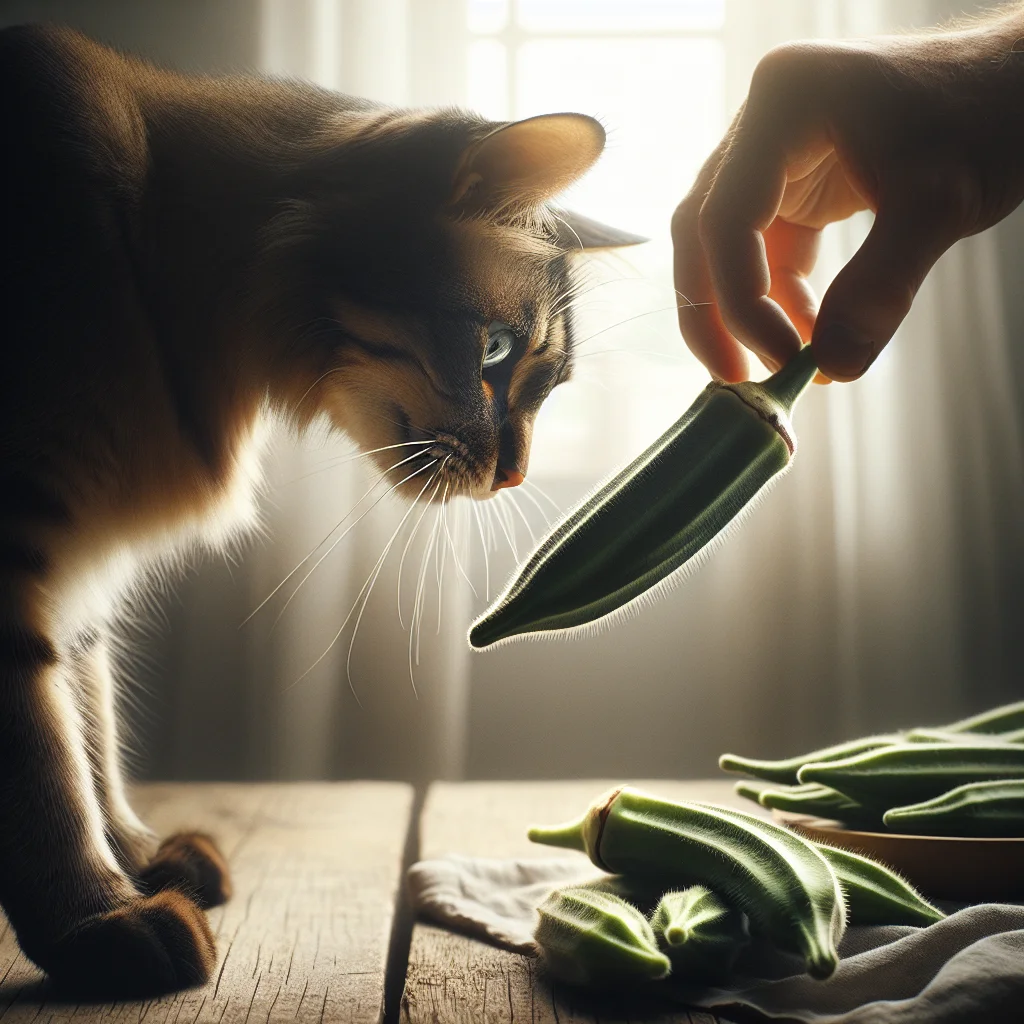
Safe in moderation but with caution, okra can be given to cats, though not without potential risks. The primary concern with feeding okra to cats lies in the presence of saponins, a naturally occurring compound that can cause gastrointestinal distress in felines. While saponins are not acutely toxic, they can lead to vomiting and diarrhea if consumed in large quantities. Understanding the interaction between okra and your cat's digestive system is crucial to ensure their well-being.
Can Cats Digest Okra?
Cats have a unique digestive system, optimized for processing proteins and fats rather than plant material like okra. The fibrous texture of okra may pose a challenge for cats' digestive tracts, leading to potential gastrointestinal upset. The presence of saponins adds to the complexity, as these compounds can irritate the stomach lining. If you decide to introduce okra into your cat's diet, it must be in small, well-cooked portions to minimize any adverse effects.
What Are the Signs of Okra-Induced Distress in Cats?
Monitoring your cat for signs of distress is vital when introducing any new food, including okra. Common symptoms of gastrointestinal upset from okra consumption include vomiting, diarrhea, and lethargy. In some cases, you might notice your cat avoiding food, indicating discomfort. These symptoms typically resolve on their own if the cat stops eating the offending food, but persistent symptoms warrant a visit to the veterinarian.
How Can Okra Be Safely Prepared for Cats?
Should you choose to offer okra to your feline, preparation is key. Avoid feeding raw okra as it is harder to digest and more likely to cause gastrointestinal issues. Steaming or boiling okra until it's soft can help in breaking down the fibers, making it easier for your cat to digest. Always serve okra plain, without any seasonings or additives like salt, butter, or oils, which can be harmful to cats.
Are There Any Benefits to Feeding Cats Okra?
While okra is not a necessary component of a cat's diet, it does offer some potential benefits when consumed in moderation. It contains vitamins C and K, which can contribute to overall health. However, these nutrients can be sourced from more suitable feline foods. The primary benefit of offering okra might be its fiber content, which can aid in digestion for cats that tolerate it well. Always ensure that okra is only a small part of an otherwise balanced diet.
When Should You Avoid Feeding Okra to Cats?
Certain situations call for avoiding okra altogether. Cats with existing gastrointestinal issues, such as inflammatory bowel disease, may experience exacerbated symptoms with okra consumption. If your cat has a particularly sensitive stomach or has shown previous intolerance to other vegetables, it would be wise to steer clear of okra. In these cases, consult with your veterinarian for personalized dietary advice.
Toxicity Levels
| Type | Amount | Risk |
|---|---|---|
| Raw Okra | 1 piece | High |
| Cooked Okra | 1 piece | Moderate |
| Seasoned Okra | Any | High |
| Okra Pods | 5 pods | High |
| Okra Seeds | Small handful | Moderate |
Symptoms to Watch For
- Vomiting
- Diarrhea
- Lethargy
- Loss of Appetite
- Stomach Upset
Frequently Asked Questions
Is okra toxic to cats?
How should I introduce okra to my cat's diet?
Can kittens eat okra?
What should I do if my cat shows symptoms after eating okra?
Are there other vegetables safe for cats?