
If you suspect your pet has ingested this food, do not wait for symptoms. Contact your veterinarian immediately.
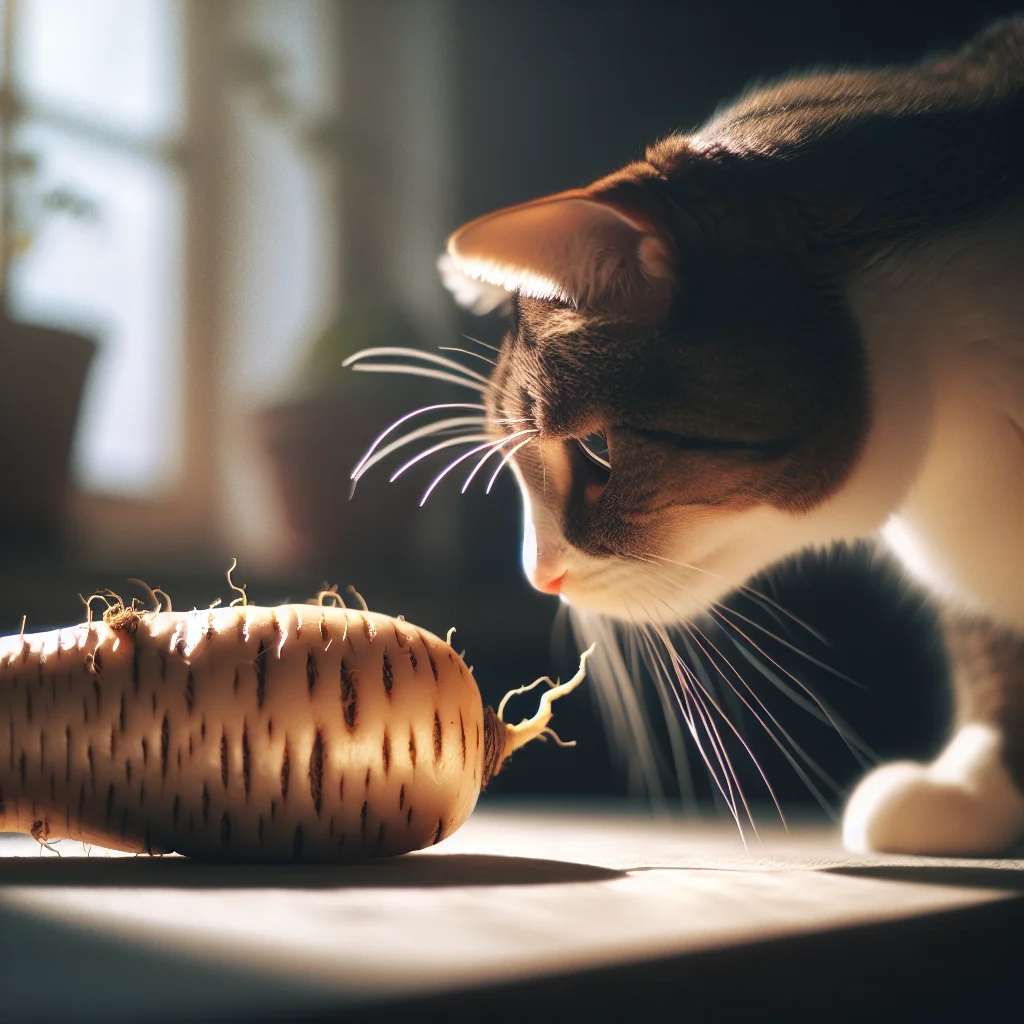
Horseradish is not safe for cats. The primary concern with horseradish is the presence of mustard oil, which can cause gastrointestinal distress in cats. This oil can irritate a cat's digestive system, leading to symptoms such as vomiting and diarrhea. Unlike humans, cats lack the digestive enzymes to process certain plant-based compounds effectively, making them more susceptible to adverse effects.
What Happens If a Cat Eats Horseradish?
When a cat consumes horseradish, it may experience a range of symptoms due to the irritant nature of mustard oil. Cats are obligate carnivores and their diet should primarily consist of meat. The pungent compounds in horseradish can lead to irritation of the mouth, throat, and stomach lining. If your cat has ingested horseradish, you might notice signs of discomfort, such as excessive drooling, pawing at the mouth, or retching. It's crucial to monitor your pet closely and consult a veterinarian if symptoms persist.
Why Is Horseradish Harmful to Cats?
The mustard oil in horseradish is the main culprit behind its toxicity to cats. This oil is a type of glucosinolate, which can be toxic when ingested by felines. Cats lack the necessary enzymes to break down these compounds, leading to potential irritation and inflammation of their gastrointestinal tract. Additionally, the strong smell and taste can cause a cat to reject its regular food, leading to nutritional imbalances if exposure is frequent.
How Much Horseradish Is Dangerous for Cats?
Even small amounts of horseradish can pose a risk to cats. While a tiny lick might not cause severe harm, any significant ingestion can lead to noticeable symptoms. Cats are much smaller than humans, and their tolerance levels for certain compounds are significantly lower. It's best to avoid exposing your cat to horseradish altogether to prevent any potential health issues.
What Should I Do If My Cat Eats Horseradish?
If you suspect your cat has eaten horseradish, observe them closely for any signs of distress. Offer plenty of fresh water to help dilute the irritants in their stomach. If symptoms such as vomiting, diarrhea, or excessive drooling occur, contact your veterinarian promptly. They may recommend bringing your cat in for an examination or monitoring them at home depending on the severity of symptoms.
Toxicity Levels
| Type | Amount | Risk |
|---|---|---|
| Horseradish | Small lick | Low |
| Horseradish | 1 teaspoon | Moderate |
| Horseradish | 1 tablespoon | High |
| Horseradish | Multiple tablespoons | Severe |
| Horseradish | Mixed in food | Variable |
Symptoms to Watch For
- Vomiting
- Diarrhea
- Excessive Drooling
- Pawing at Mouth
- General Discomfort
Frequently Asked Questions
Can horseradish cause long-term issues in cats?
Are there any safe alternatives to horseradish for cats?
What other foods contain glucosinolates that are harmful to cats?
How can I prevent my cat from eating horseradish?
What are the signs of a serious reaction to horseradish in cats?