
If you suspect your pet has ingested this food, do not wait for symptoms. Contact your veterinarian immediately.
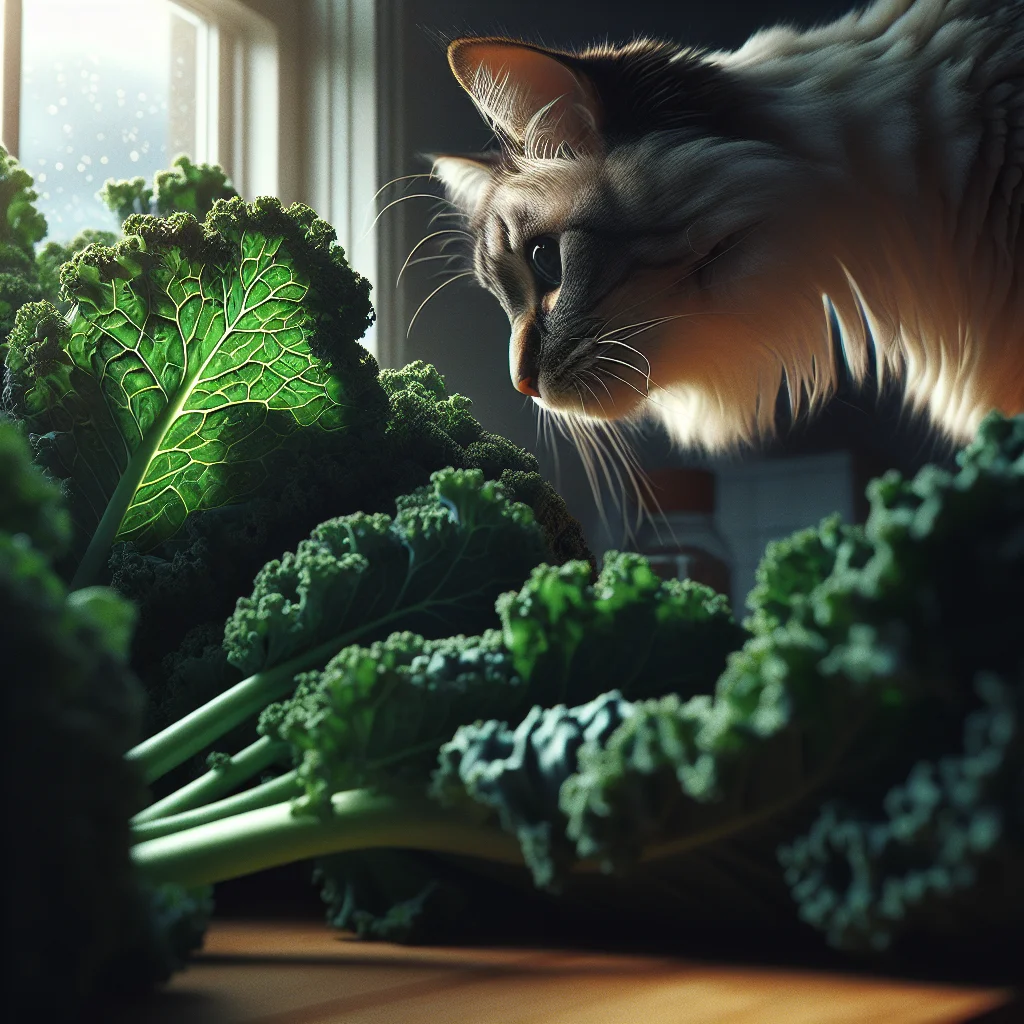
Kale is not toxic to cats, but it's not entirely safe either. While it may seem like a healthy treat, kale contains compounds like oxalates and isothiocyanates that can cause health issues in felines. Oxalates can lead to the formation of calcium oxalate crystals in the urinary tract, potentially resulting in kidney problems. Isothiocyanates, on the other hand, may irritate the digestive system, leading to gastrointestinal distress. Understanding these risks is crucial before deciding to offer kale to your feline friend.
Is Kale a Healthy Snack for Cats?
While kale is packed with vitamins and minerals beneficial to humans, the same cannot be said for cats. Cats are obligate carnivores, meaning their diet should primarily consist of meat. Kale lacks the essential nutrients that cats need, and in some cases, could interfere with nutrient absorption. The high fiber content in kale might also lead to digestive issues, such as diarrhea or constipation. It's best to stick to cat-friendly foods that meet their specific dietary requirements.
What Happens if a Cat Eats Kale?
If your cat consumes a small amount of kale, it might not experience any immediate adverse effects. However, consuming kale regularly or in larger quantities can lead to health issues. The most common symptoms include vomiting, diarrhea, and stomach upset. In more severe cases, the formation of calcium oxalate crystals can contribute to urinary tract problems and even kidney stones. Monitoring your cat's health and consulting a veterinarian if symptoms occur is essential.
Can Kale Cause Long-Term Health Issues in Cats?
Feeding kale to your cat on a regular basis can potentially cause long-term health issues. The risk of kidney problems increases with frequent consumption due to the formation of calcium oxalate crystals. Additionally, the irritation caused by isothiocyanates can lead to chronic gastrointestinal issues. It's crucial to avoid making kale a staple in your cat's diet to prevent these long-term health complications. Instead, focus on providing a balanced diet that's tailored to feline nutritional needs.
Are There Safe Vegetables for Cats?
Some vegetables are safer for cats in moderation. Cooked carrots, peas, and small amounts of pumpkin can be offered as occasional treats. These vegetables are less likely to cause harm and can provide some nutritional benefits. However, it's important to remember that vegetables should never replace meat-based meals. Always introduce any new food gradually and observe your cat for any adverse reactions before incorporating it into their diet.
Toxicity Levels
| Type | Amount | Risk |
|---|---|---|
| Small Amount | 1-2 leaves | Low |
| Moderate Amount | 3-5 leaves | Medium |
| Large Amount | 6+ leaves | High |
| Daily Consumption | Any | High |
| Occasional Treat | 1 leaf | Low |
Symptoms to Watch For
- Vomiting
- Diarrhea
- Stomach Upset
- Urinary Problems
- Kidney Stones
Frequently Asked Questions
Can kale be part of a cat's diet?
What are the symptoms if a cat eats kale?
Is kale toxic to cats?
Are there any safe leafy greens for cats?
What should I do if my cat eats kale?