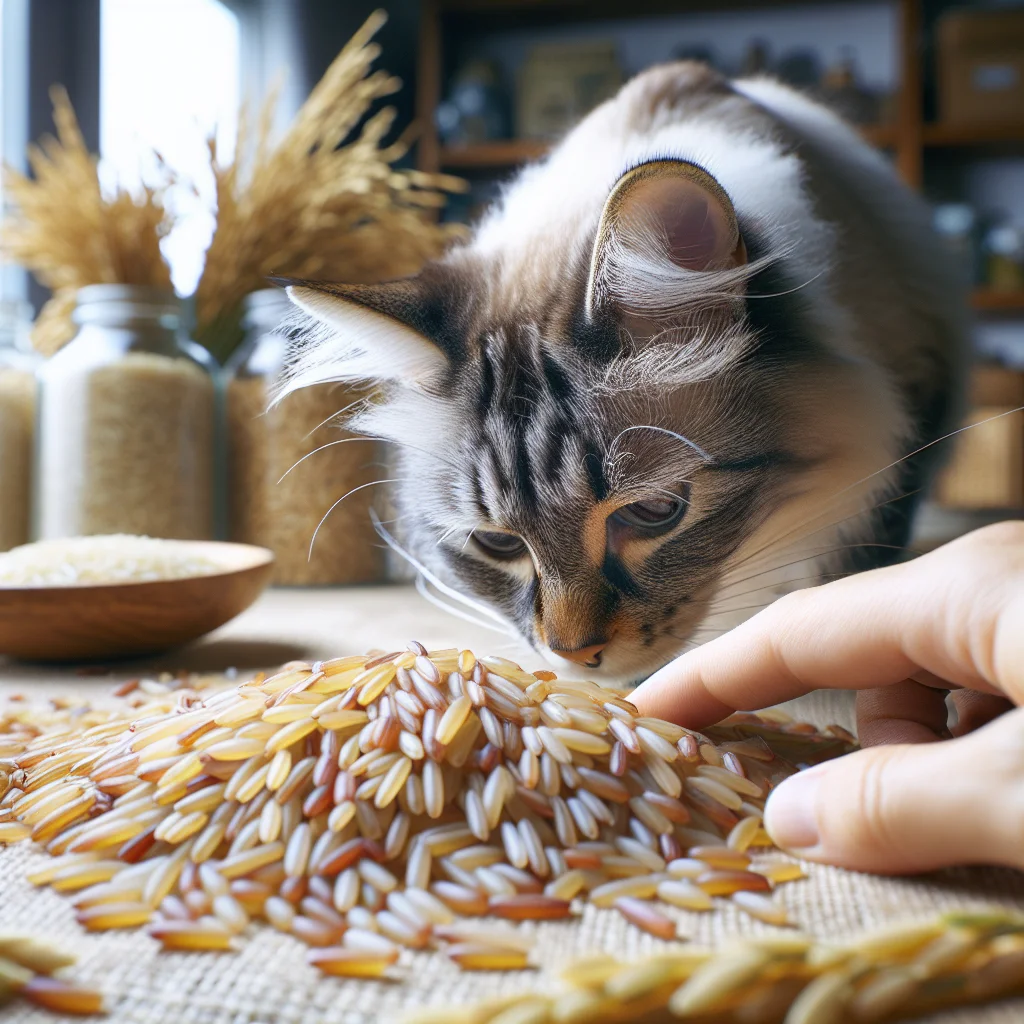
Safe for cats, wild rice offers a non-toxic and nutritious option for your feline friends. This grain, known for its rich nutritional profile, can provide additional vitamins and minerals without posing any risk to your cat's health. Unlike certain foods that contain harmful toxins for cats, wild rice is free from such dangers, making it a safe addition to their diet when served properly.
What are the health benefits of giving wild rice to cats?
Wild rice is packed with nutrients that can be beneficial for cats. It is an excellent source of fiber, which aids in digestion and helps maintain a healthy weight. Additionally, wild rice is rich in B vitamins, magnesium, and antioxidants, which support overall health and vitality. While cats are obligate carnivores, meaning they primarily need meat, small amounts of wild rice can provide additional nutrients that complement their diet.
How should wild rice be prepared for cats?
Preparation is key when offering wild rice to your cat. Ensure the rice is cooked thoroughly without any added salt, spices, or oils, as these can be harmful to cats. Once cooked, allow it to cool completely before serving. You can mix a small amount with their regular food or serve it on its own. Always monitor your cat's reaction to new foods and introduce wild rice gradually.
Are there any potential risks of feeding wild rice to cats?
While generally safe, there are a few considerations when feeding wild rice to cats. Overconsumption can lead to gastrointestinal upset, such as diarrhea or vomiting. Portion control is crucial; wild rice should only be a minor part of their diet. Also, ensure that the rice is plain and not mixed with ingredients like garlic or onions, which are toxic to cats.
How much wild rice can cats eat safely?
Moderation is the key to safely feeding wild rice to cats. A small spoonful mixed with their regular food a few times a week is sufficient. This ensures they get the nutritional benefits without overwhelming their digestive system. Always monitor your cat's response and adjust the amount based on their tolerance and health.
What signs should I watch for if my cat reacts negatively to wild rice?
While wild rice is safe, it's important to watch for any adverse reactions. Symptoms such as vomiting, diarrhea, or a noticeable drop in energy levels can indicate an issue. If you observe any of these signs, discontinue feeding wild rice and consult your veterinarian. Keeping an eye on your cat's health will ensure that their diet remains balanced and safe.
Toxicity Levels
| Type | Amount | Risk |
|---|---|---|
| Cooked wild rice | Small amounts | Low |
| Uncooked wild rice | Any amount | Moderate |
| Wild rice with spices | Any amount | High |
| Rice with garlic/onions | Any amount | High |
| Large portions of wild rice | Frequent | Moderate |
Symptoms to Watch For
- Vomiting
- Diarrhea
- Lethargy
- Itching
- Skin irritation
Frequently Asked Questions
Can wild rice replace meat in my cat's diet?
Is wild rice better than white rice for cats?
Can kittens eat wild rice?
What if my cat doesn't like wild rice?
Can wild rice cause allergies in cats?