
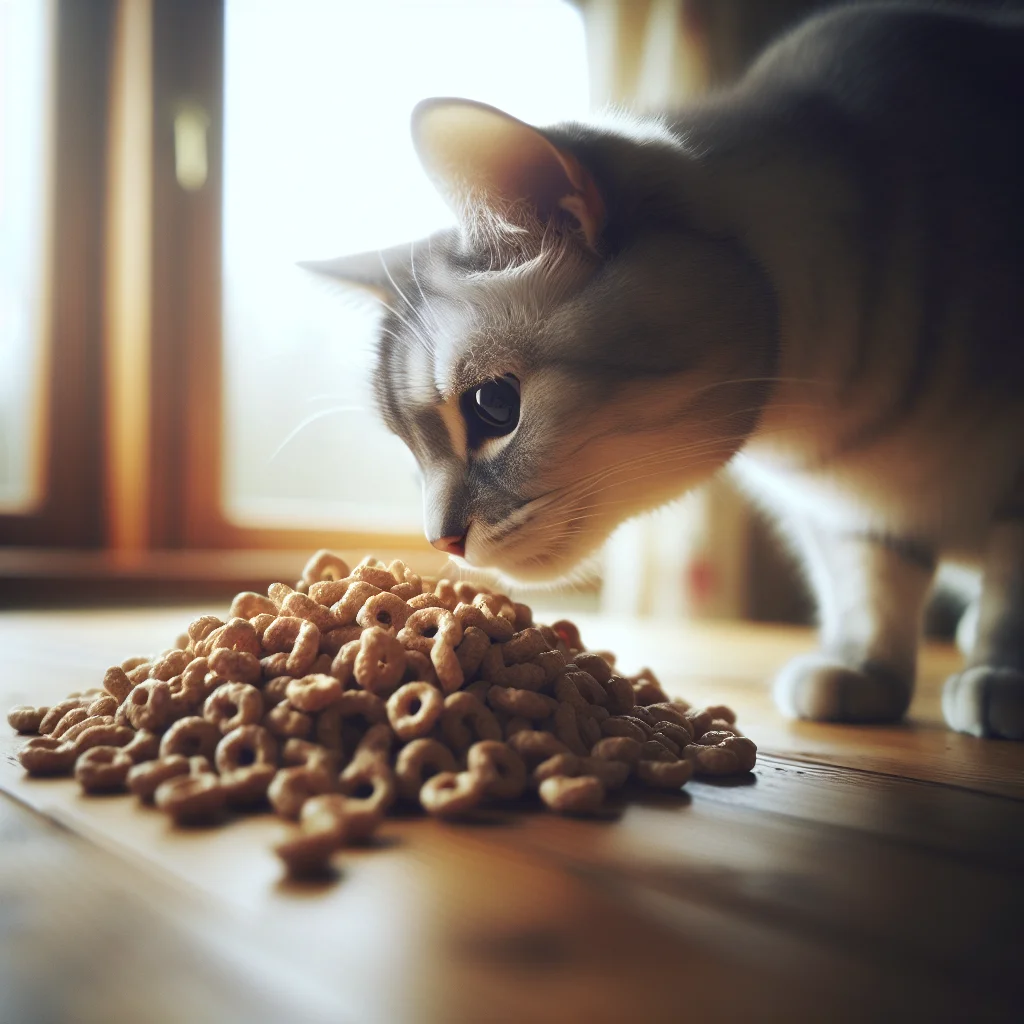
If you suspect your pet has ingested this food, do not wait for symptoms. Contact your veterinarian immediately.
Caution: Cereal is not toxic to cats, but it is not recommended as part of their diet. Cats are obligate carnivores, and their digestive systems are not designed to process large amounts of carbohydrates found in cereals. Additionally, some cereals contain ingredients like sugar, chocolate, or raisins, which can be harmful to felines.
What happens if a cat eats cereal?
When a cat consumes cereal, it may experience mild digestive upset. The high carbohydrate content can lead to gastrointestinal distress, as cats lack the enzymes needed to efficiently break down these substances. While a small amount may not cause immediate harm, regular consumption could lead to obesity, diabetes, or other health issues due to the imbalance in their diet.
Can cats digest grains in cereal?
Cats have evolved to thrive on a meat-based diet, making it challenging for them to digest grains efficiently. Their digestive systems are optimized for proteins and fats rather than carbohydrates. This means that grains in cereal pass through their system largely undigested, offering little to no nutritional value and potentially causing digestive issues like bloating or diarrhea.
Are there any safe cereals for cats?
While no cereal is specifically beneficial for cats, plain, unsweetened varieties without additives might be less harmful in small amounts. However, even these cereals should only be offered as an occasional treat, not a regular part of their diet. Always avoid cereals with chocolate, raisins, or artificial sweeteners, as these can be toxic to cats.
Why do some cats like cereal?
Some cats may be intrigued by the texture or smell of cereal, especially if it’s part of their owner's breakfast routine. Curiosity and the natural hunting instinct can lead them to investigate new foods. However, this interest should not be mistaken for a dietary need or preference, as it does not align with their nutritional requirements.
How can I prevent my cat from eating cereal?
To prevent your cat from consuming cereal, store it securely in cabinets or sealed containers. Additionally, avoid leaving cereal unattended on counters or tables. Creating a designated eating area for your cat with appropriate food options can help redirect their interest away from human foods. If your cat persistently shows interest in cereal, consider consulting a veterinarian to ensure their dietary needs are being met.
Toxicity Levels
| Type | Amount | Risk |
|---|---|---|
| Chocolate Cereal | Small | Moderate |
| Raisin Cereal | Any | High |
| Sweetened Cereal | Moderate | Low |
| Plain Cereal | Small | Low |
| Cereal with Nuts | Any | Moderate |
| Artificially Sweetened | Any | High |
Symptoms to Watch For
- Vomiting
- Diarrhea
- Lethargy
- Weight Gain
- Loss of Appetite
Frequently Asked Questions
Is cereal bad for cats?
Can a small amount of cereal harm my cat?
What cereals should I avoid giving my cat?
Why is my cat interested in cereal?
What should I do if my cat eats cereal?