
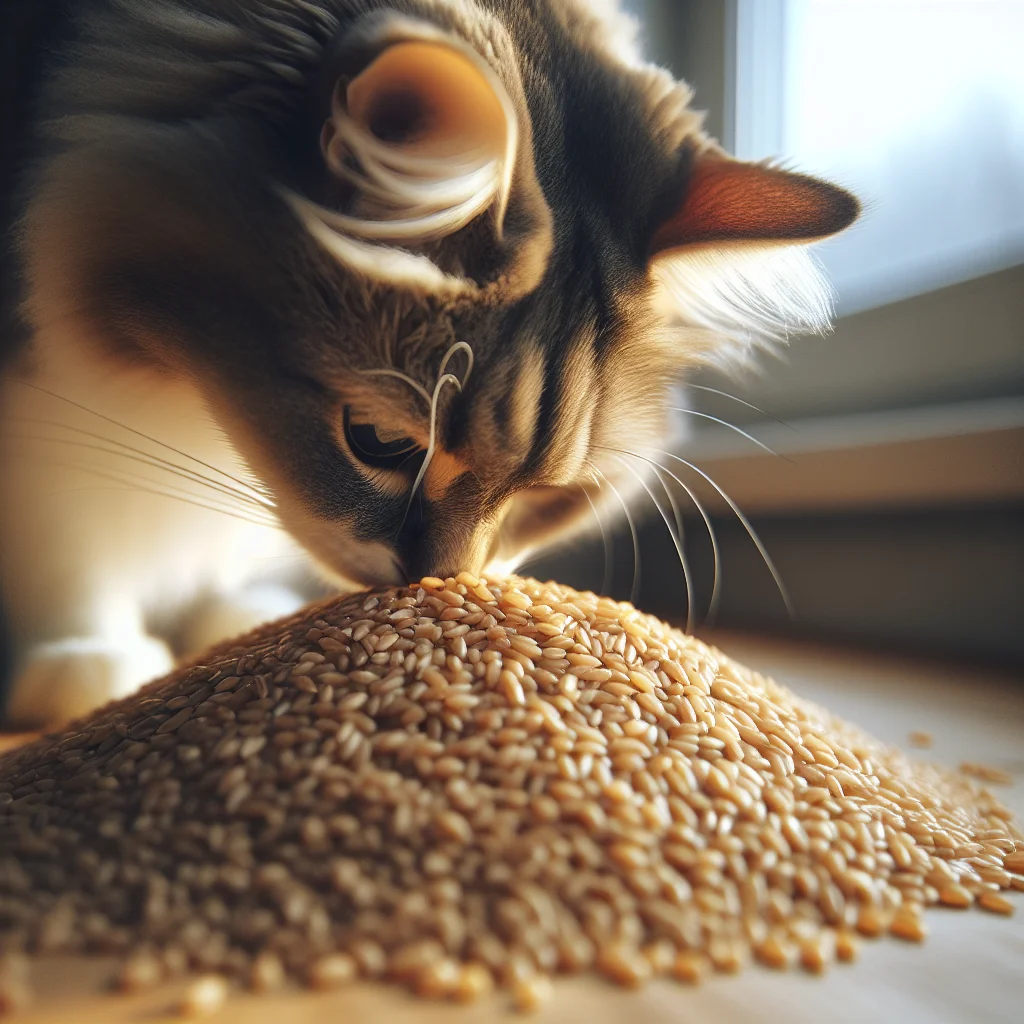
If you suspect your pet has ingested this food, do not wait for symptoms. Contact your veterinarian immediately.
Toxicity Verdict: Bulgur is generally safe for cats in small amounts, but caution is advised. Though bulgur itself is not toxic, cats are obligate carnivores, meaning their diet primarily requires meat. Bulgur, being a wheat product, contains carbohydrates, which cats do not need in large quantities. Excessive consumption may lead to digestive upset or contribute to obesity, which can lead to further health issues. Understanding these factors is crucial for cat owners considering adding bulgur to their feline's diet.
Can Cats Digest Bulgur Properly?
While cats can process small quantities of carbohydrates, their digestive systems are optimized for protein and fat from animal sources. Bulgur, a type of cracked wheat, contains fiber that can aid digestion in humans, but in cats, it can lead to gastrointestinal distress if consumed in significant amounts. Symptoms like bloating, gas, or diarrhea might occur if a cat eats too much bulgur. Therefore, if you're considering bulgur as a treat, it should only be offered occasionally and in very small amounts. Always observe your cat for any adverse reactions when introducing new foods.
What Are the Nutritional Benefits of Bulgur for Cats?
Bulgur may provide some nutritional benefits in moderation, such as fiber and minimal amounts of protein. However, these benefits are not substantial for cats, who require high levels of animal-based proteins and fats. Bulgur's fiber can help with digestion in small doses, but exceeding these can lead to more harm than good. The primary concern is the carbohydrate content, which is unnecessary for a cat’s diet. It's essential to balance any non-meat additions with their primary nutritional needs.
Are There Any Risks If My Cat Eats Bulgur?
While bulgur is not inherently toxic, it poses risks if overconsumed. The most immediate concern is digestive upset, but long-term, a diet too rich in carbohydrates can lead to obesity, diabetes, or other metabolic disorders. Cats thriving on high-protein diets may not benefit from regular bulgur intake. If your cat accidentally ingests a small amount, there's usually no need for alarm. Still, vigilant monitoring for signs of discomfort or digestive issues is advised.
How Should I Serve Bulgur to My Cat?
If you decide to feed bulgur to your cat, preparation is key. Ensure it is plain, fully cooked, and cooled. Avoid adding any seasoning, butter, or oils that could upset your cat’s stomach. Start with a teaspoon or less, mixed into their usual food, to see how they react. Gradual introduction allows you to monitor for any adverse effects. Always prioritize your cat’s main diet and treat bulgur strictly as an occasional treat.
What Alternatives to Bulgur Can I Offer My Cat?
For those seeking to diversify their cat's diet safely, consider alternatives that align more closely with their nutritional needs. Cooked meats like chicken or turkey, free from seasoning, provide protein without unnecessary carbohydrates. Small amounts of plain pumpkin can also aid digestion without the carbohydrate load of grains. Always ensure any alternative is introduced gradually, monitoring your cat’s reaction closely.
Toxicity Levels
| Type | Amount | Risk |
|---|---|---|
| Small Amount | 1 teaspoon or less | Low |
| Moderate Amount | 1 tablespoon | Moderate |
| Large Amount | Over 1 tablespoon | High |
| Regular Consumption | Frequent portions | High |
| With Additives | Seasoned or mixed with other foods | High |
Symptoms to Watch For
- Vomiting
- Diarrhea
- Bloating
- Lethargy
- Excessive Gas
Frequently Asked Questions
Is bulgur toxic to cats?
Can bulgur be part of a regular diet for cats?
What should I do if my cat eats a lot of bulgur?
Are there any benefits to feeding bulgur to cats?
How can I introduce new foods like bulgur to my cat safely?