
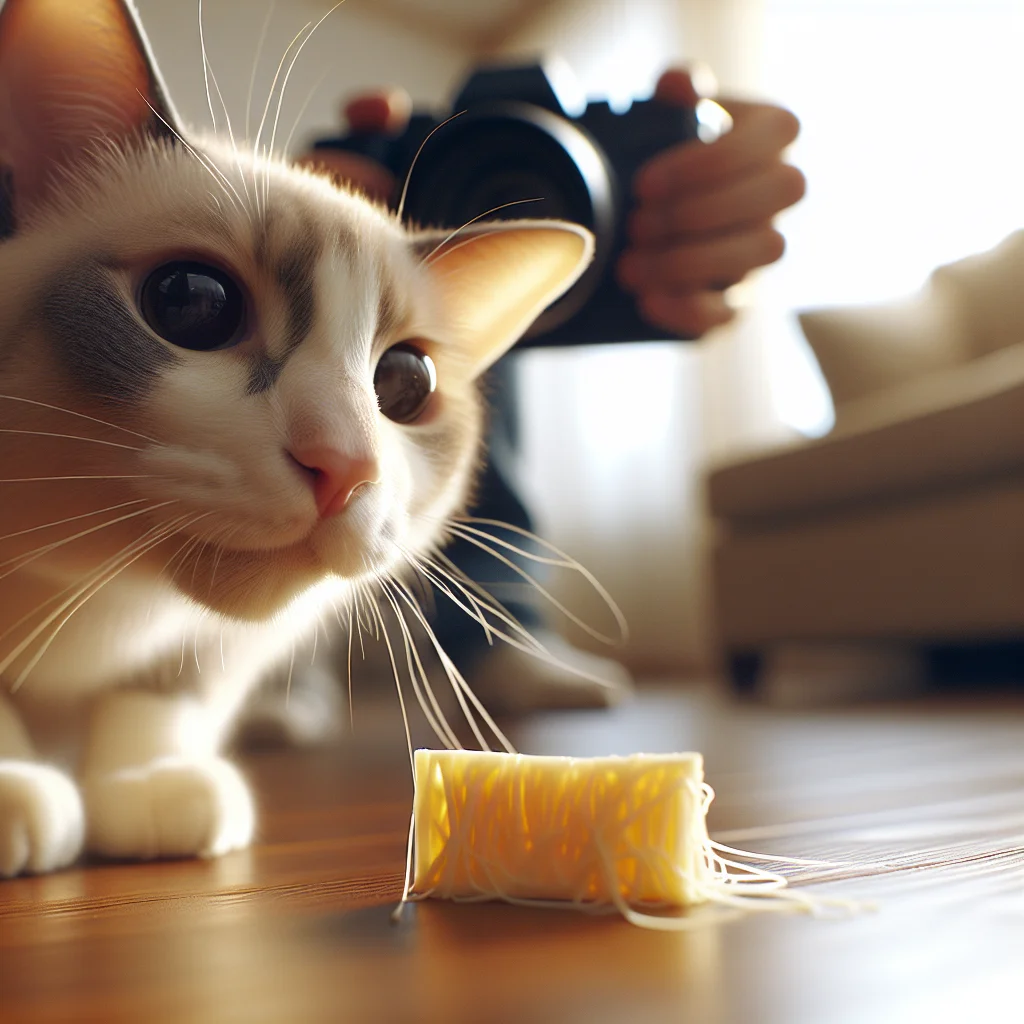
If you suspect your pet has ingested this food, do not wait for symptoms. Contact your veterinarian immediately.
String cheese is not inherently toxic to cats, but it requires caution. Cats lack the enzyme lactase needed to digest lactose present in cheese, which can lead to gastrointestinal upset. Furthermore, the high salt content in string cheese can pose additional health risks, such as hypertension and dehydration, particularly in sensitive feline systems.
What Happens If a Cat Eats String Cheese?
When a cat consumes string cheese, its digestive system may struggle to process the lactose. This can result in symptoms like diarrhea, vomiting, and abdominal pain. Additionally, excessive intake of string cheese's high sodium content could lead to salt toxicity, causing serious health issues like increased thirst, urination, and even neurological symptoms in severe cases.
How Much String Cheese is Too Much for Cats?
Even small amounts of string cheese can be too much for cats, primarily due to their lactose intolerance. A tiny piece may not cause immediate harm, but regular feeding can lead to digestive distress and nutritional imbalances. As a rule of thumb, avoid giving string cheese to your cat altogether, or limit it to an occasional, very small treat if your cat tolerates it well.
Are There Safe Alternatives to String Cheese for Cats?
Yes, there are safer alternatives to string cheese for cats. Opt for cat-specific treats that are formulated to meet feline nutritional needs without causing digestive issues. Cooked, unseasoned chicken or fish can also serve as a healthy treat. Always ensure that any treat given is low in salt and free of harmful additives.
What Are the Symptoms of Cheese Toxicity in Cats?
Symptoms of cheese toxicity in cats include vomiting, diarrhea, and lethargy. In more severe cases, you might notice your cat experiencing tremors or seizures due to an overload of sodium. If your cat shows any of these symptoms after consuming string cheese, it's crucial to contact your veterinarian immediately.
Why Do Cats Like String Cheese?
Cats may be attracted to string cheese due to its strong smell and rich taste. The texture also plays a role, as it can mimic the sensation of tearing flesh, which appeals to their predatory instincts. However, this attraction does not mean it is safe for them to consume; always prioritize your cat's health over their temporary cravings.
Toxicity Levels
| Type | Amount | Risk |
|---|---|---|
| Lactose | Small | Digestive upset |
| Sodium | High | Salt toxicity |
| Additives | Variable | Allergic reactions |
| Calories | High | Obesity |
| Fat | Moderate | Pancreatitis |
Symptoms to Watch For
- Vomiting
- Diarrhea
- Lethargy
- Increased Thirst
- Seizures
Frequently Asked Questions
Is string cheese toxic to cats?
Can cats digest lactose?
How can I tell if my cat has eaten too much cheese?
Are there any cheeses safe for cats?
What should I do if my cat accidentally eats string cheese?