
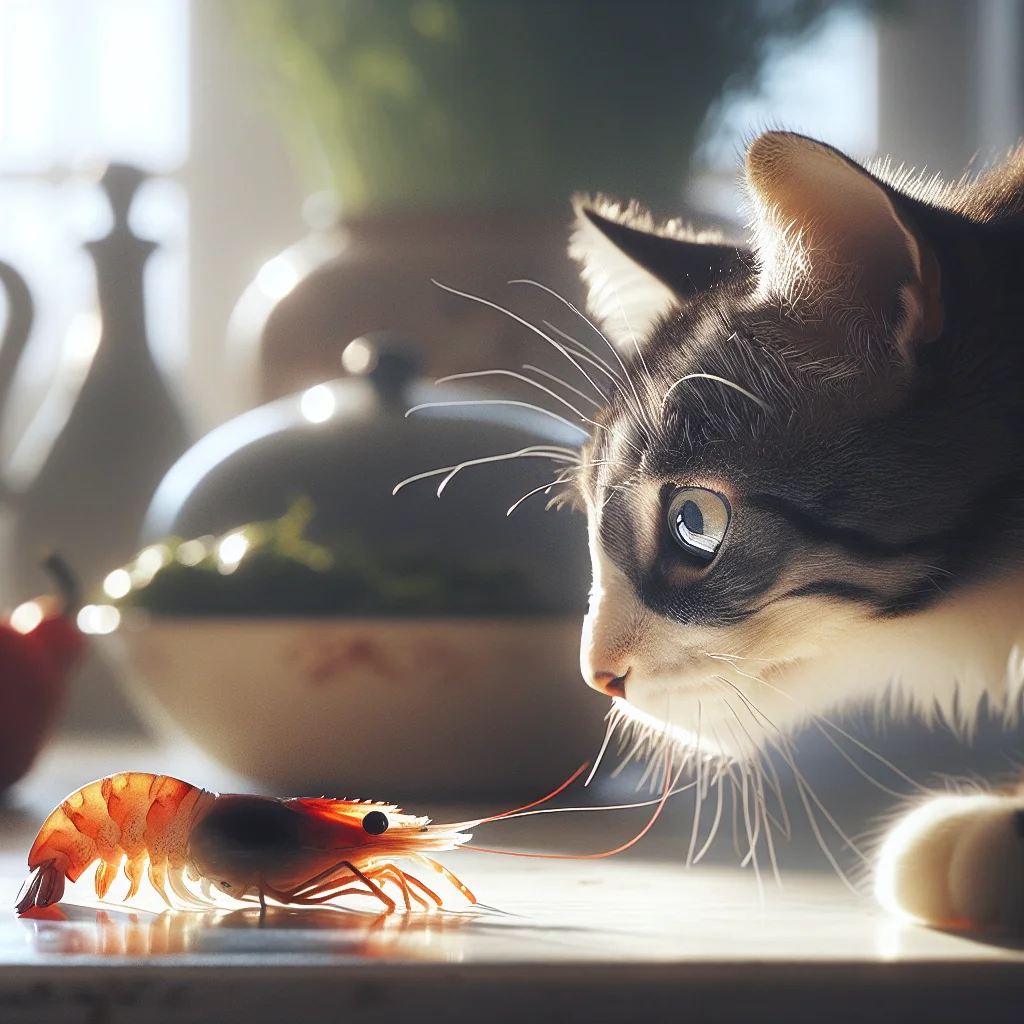
Safe – that’s the verdict for feeding shrimp to cats. Shrimp, often referred to as ‘the ocean’s popcorn,’ is not only safe but can also be a delightful treat for your feline friend. Rich in protein and low in calories, shrimp contain essential nutrients like vitamin B12, phosphorus, and selenium, which are beneficial for your cat's health. However, it is crucial to serve shrimp properly to avoid any health issues. Raw shrimp might contain bacteria such as Salmonella or Listeria, which can be harmful to cats. Therefore, always ensure shrimp is cooked and free from any seasonings or additives before serving.
Can Cats Digest Shrimp Easily?
Cats, being obligate carnivores, have a digestive system designed to process animal proteins, and shrimp fits the bill perfectly. However, moderation is key. While shrimp is high in protein, its richness can be a lot for a cat's stomach to handle. Introducing shrimp into your cat’s diet gradually is advisable to avoid any digestive upset. Always observe your cat for any signs of gastrointestinal distress, such as vomiting or diarrhea, after consuming shrimp. If your cat shows any adverse reactions, discontinue feeding shrimp and consult your veterinarian.
How Should Shrimp Be Prepared for Cats?
Preparation is everything when it comes to feeding shrimp to your cat. Always cook the shrimp thoroughly to kill any potential pathogens. Boiling or steaming is the best method, as it retains the most nutrients. Avoid using oils, butter, or seasonings, as these can be harmful to cats. Once cooked, remove the shell, head, and tail, as these parts can pose a choking hazard. Cut the shrimp into small, manageable pieces to make it easier for your cat to eat. By following these steps, you ensure that your cat enjoys a safe and healthy treat.
How Often Can Cats Eat Shrimp?
While shrimp can be a nutritious addition to your cat's diet, it should not replace their regular food. Consider shrimp as an occasional treat rather than a staple. A small portion, once or twice a week, is sufficient. Regularly feeding shrimp in large quantities can lead to an imbalance in your cat's diet and potential health issues. Keep in mind that cats require a balanced diet tailored to their specific nutritional needs, which shrimp alone cannot provide. Always prioritize high-quality cat food and use shrimp as a supplementary treat.
Are There Any Risks Associated with Feeding Shrimp to Cats?
Though shrimp is generally safe, some risks are worth noting. Raw shrimp can harbor harmful bacteria, and improperly cooked shrimp might pose a risk of food poisoning. Moreover, shrimp shells and tails can cause choking or intestinal blockage if ingested. Cats with seafood allergies might also react to shrimp, although such allergies are rare. Always monitor your cat after introducing shrimp into their diet, and seek veterinary advice if you notice any signs of allergic reactions or digestive issues.
Toxicity Levels
| Type | Amount | Risk |
|---|---|---|
| Raw Shrimp | Any | High risk of bacterial infection |
| Cooked Shrimp | Small | Low |
| Seasoned Shrimp | Any | Potential toxicity |
| Shrimp Shells | Any | Choking hazard |
| Shrimp Tails | Any | Choking hazard |
Symptoms to Watch For
- Vomiting
- Diarrhea
- Itching
- Swelling
- Lethargy
Frequently Asked Questions
Can cats be allergic to shrimp?
What is the best way to introduce shrimp to my cat's diet?
Can kittens eat shrimp?
Are there any specific nutrients in shrimp that benefit cats?
Should I avoid feeding my cat shrimp with any specific ingredients?