If you suspect your pet has ingested this food, do not wait for symptoms. Contact your veterinarian immediately.
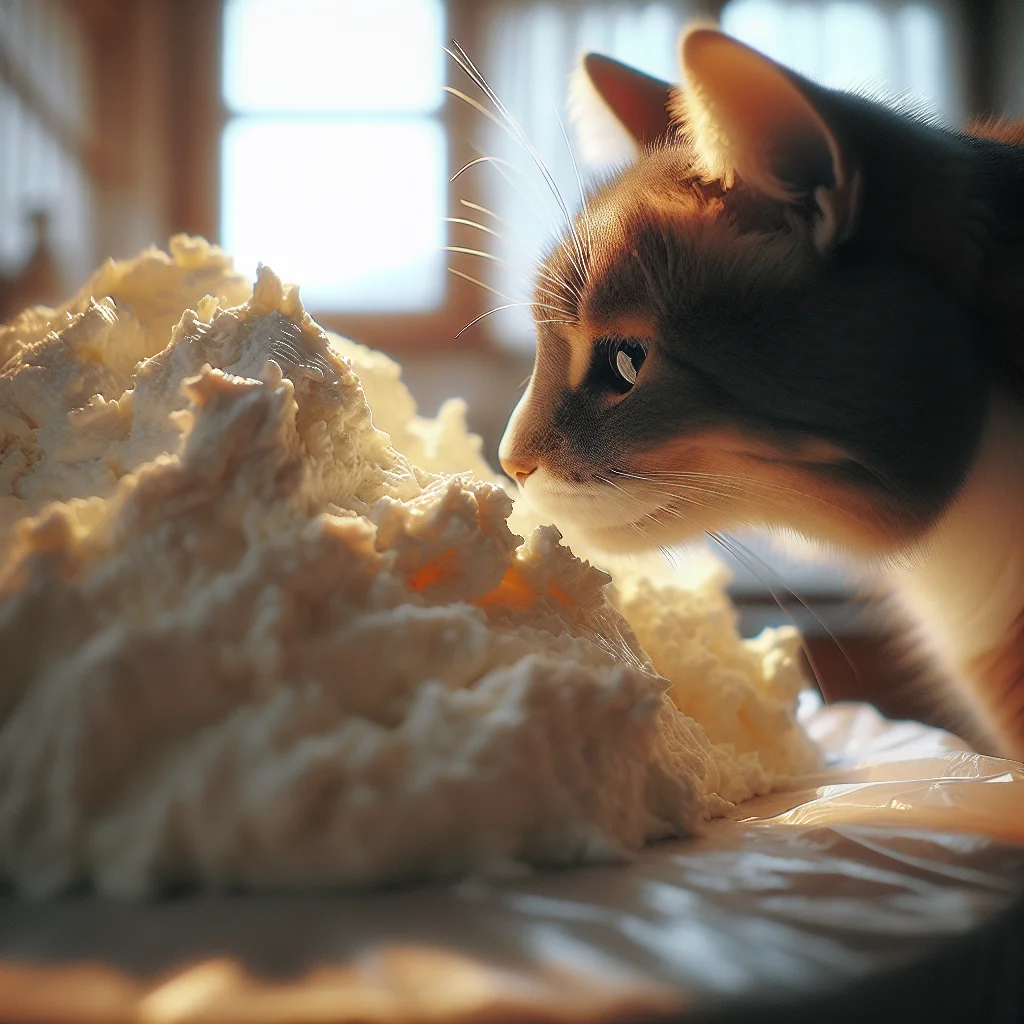
Safe/Toxic: Feeding ricotta to cats requires caution due to potential lactose intolerance. Ricotta, like many dairy products, contains lactose, which many cats struggle to digest. This can lead to gastrointestinal upset, including diarrhea and vomiting. The lack of sufficient lactase enzyme in cats is the primary reason for these digestive issues.
Is Ricotta Safe for Cats to Eat?
While small amounts of ricotta may not harm all cats, it is generally advisable to avoid giving it to them. Cats are obligate carnivores, and their digestive systems are not designed to process dairy products efficiently. The lactose in ricotta can lead to symptoms like diarrhea and vomiting in cats who are lactose intolerant. Some cats might tolerate it better, but it’s always a gamble. If you choose to offer a small taste, monitor your cat closely for any adverse reactions.
What Happens if a Cat Eats Ricotta?
If a cat consumes ricotta, you may notice symptoms of digestive distress. These symptoms often include diarrhea, vomiting, and stomach pain. The severity of the reaction can vary depending on the individual cat's sensitivity to lactose. If ricotta consumption results in prolonged or severe symptoms, it's crucial to consult a veterinarian. Cats do not typically require dairy in their diet, so any introduction should be minimal and carefully monitored.
How Can I Tell if My Cat is Lactose Intolerant?
Lactose intolerance in cats is common. If your cat shows signs of digestive upset after consuming dairy products like ricotta, it may be lactose intolerant. Symptoms to watch for include diarrhea, flatulence, and abdominal discomfort. These symptoms usually appear within a few hours after ingestion. Testing your cat’s tolerance with a small amount of dairy and observing the reaction is one way to determine lactose intolerance, but it's not without risks.
Are There Any Safe Dairy Alternatives for Cats?
For pet owners who want to offer dairy-like treats without the risks, lactose-free options are available. Some pet stores offer cat-friendly milk that has been treated to remove lactose. These products are formulated to be safe for feline consumption. Always read labels and opt for products specifically designed for cats to ensure safety. Remember, even lactose-free treats should be given sparingly to avoid unnecessary dietary complications.
What Should I Do If My Cat Has a Bad Reaction to Ricotta?
If your cat has consumed ricotta and is experiencing a negative reaction, it is important to provide support and comfort. Ensure that your cat has access to fresh water to prevent dehydration. Monitor symptoms closely, and if they persist or worsen, contact your veterinarian for advice. They may suggest dietary adjustments or medications to alleviate symptoms. Prompt attention can help prevent more serious health issues.
Toxicity Levels
| Type | Amount | Risk |
|---|---|---|
| Lactose | Small | Low |
| Lactose | Moderate | Moderate |
| Lactose | High | High |
| Ricotta | Small | Low |
| Ricotta | Moderate | Medium |
| Ricotta | High | High |
Symptoms to Watch For
- Vomiting
- Diarrhea
- Abdominal Pain
- Flatulence
- Dehydration
Frequently Asked Questions
Can kittens have ricotta?
How much ricotta can I give my cat?
Why do some cats seem to tolerate dairy?
What are the signs of lactose intolerance in cats?
Are there any benefits to feeding ricotta to cats?