If you suspect your pet has ingested this food, do not wait for symptoms. Contact your veterinarian immediately.
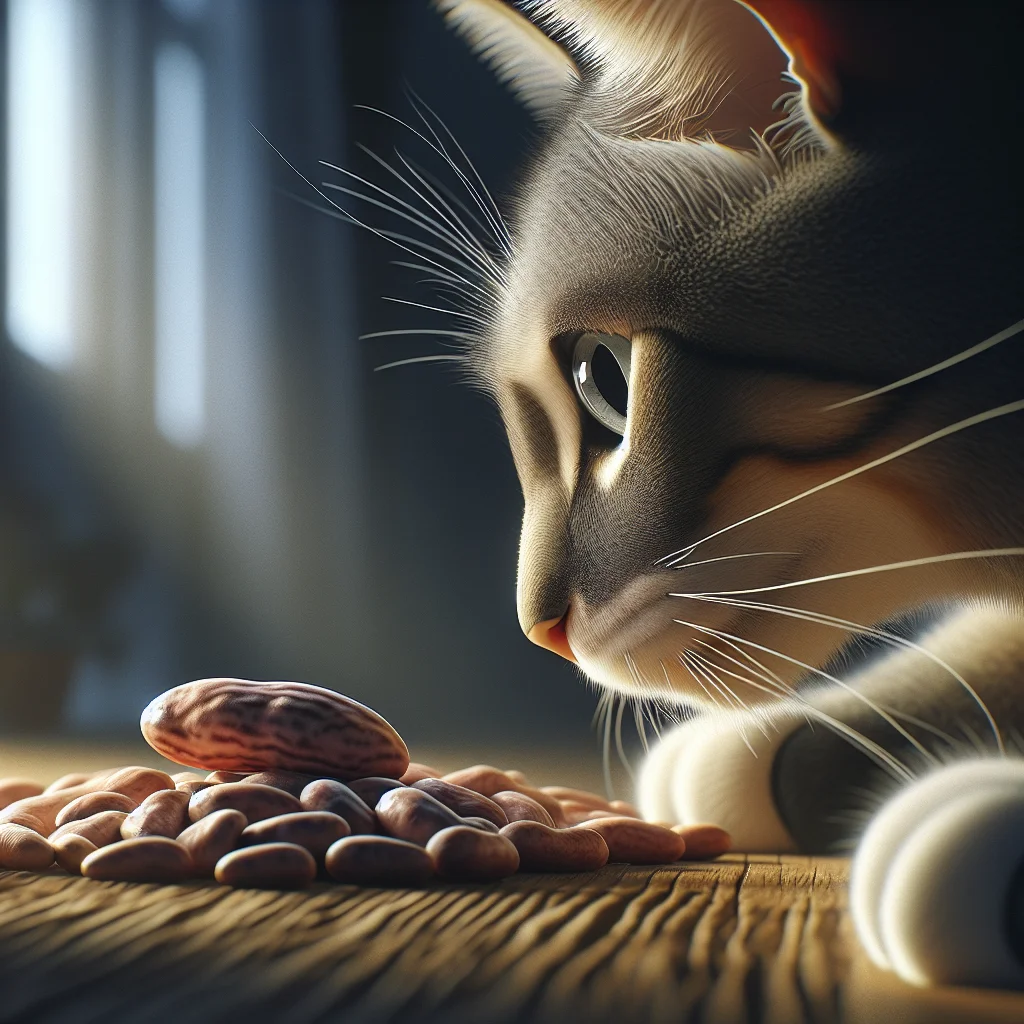
Toxic. Pinto beans, a staple in many human diets, contain compounds that may not be suitable for cats. These legumes, rich in proteins and fibers, contain lectins, which could cause gastrointestinal upset in cats. Lectins, a type of protein, can bind to the digestive tract and interfere with nutrient absorption, potentially leading to discomfort or more severe health issues. Cats, as obligate carnivores, have dietary needs that differ significantly from humans, and their digestive systems are not equipped to handle certain plant-based foods.
What Happens if a Cat Eats Pinto Beans?
If a cat consumes pinto beans, it might experience a range of digestive issues. The lectins present in the beans can irritate the lining of the stomach and intestines, leading to vomiting or diarrhea. Additionally, beans are high in fiber, which can cause gas and bloating in cats, contributing further to their discomfort. In severe cases, chronic ingestion could lead to malnutrition due to impaired nutrient absorption. Thus, while a small accidental ingestion might not be life-threatening, it should be avoided.
Are Cooked Pinto Beans Safer for Cats?
Cooking pinto beans does reduce the levels of lectins, making them somewhat safer than raw beans. However, even cooked beans can pose digestive issues for cats. Cooking does not eliminate all of the lectins and other anti-nutrients that can affect cats. Moreover, most cooked beans are often seasoned with ingredients like salt, garlic, or onions, which are harmful to cats. If you must feed beans to your cat, ensure they are plain and unseasoned, but it is generally advised to find more suitable feline-friendly foods.
How Much Pinto Beans Can a Cat Safely Consume?
Ideally, cats should not consume pinto beans at all. If they do, it should be in minuscule amounts and not as a regular part of their diet. Even small amounts can cause digestive upset. If your cat seems to enjoy the taste, it is crucial to monitor them closely for any adverse reactions. Always consult a veterinarian before introducing any new food into your cat's diet.
Could Pinto Beans Be Beneficial for Cats?
While pinto beans are nutritious for humans, boasting high fiber and protein content, these benefits do not translate well to cats. The feline digestive system is optimized for animal proteins, and plant-based proteins do not provide the same nutritional value. Additionally, the fiber in beans is not beneficial to cats in the same way it is to humans. Cats derive minimal benefit from the nutrients in pinto beans, making them an unsuitable choice for your feline's diet.
What Should I Do If My Cat Eats Pinto Beans?
If your cat accidentally ingests pinto beans, monitor them for signs of distress such as vomiting, diarrhea, or lethargy. Offer them plenty of water and observe their behavior closely. If symptoms persist or worsen, contact your veterinarian immediately. It's essential to provide the vet with information about the amount consumed and any symptoms observed to aid in their diagnosis and treatment plan. Keeping pinto beans and other potentially harmful foods out of your cat's reach will help prevent accidental ingestion.
Toxicity Levels
| Type | Amount | Risk |
|---|---|---|
| Raw Pinto Beans | Any amount | High |
| Cooked Pinto Beans | Small amounts | Medium |
| Seasoned Pinto Beans | Any amount | High |
| Pinto Bean Soup | Any amount | High |
| Pinto Bean Spread | Any amount | High |
Symptoms to Watch For
- Vomiting
- Diarrhea
- Lethargy
- Bloating
- Loss of Appetite
Frequently Asked Questions
Can pinto beans cause long-term health issues in cats?
Are there any beans that are safe for cats?
What should I do if my cat has a bad reaction to pinto beans?
Why are pinto beans not suitable for cats?
Can I use pinto beans as a cat treat alternative?