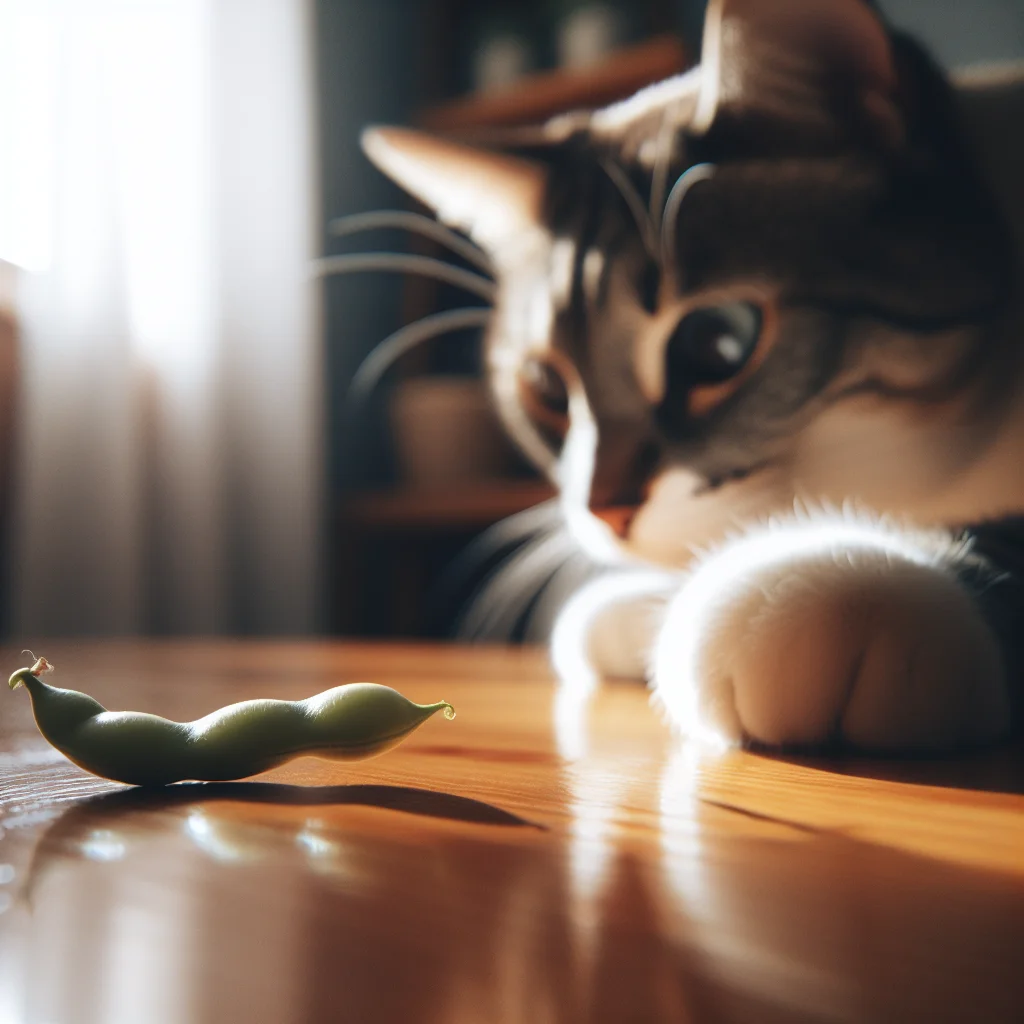
If you suspect your pet has ingested this food, do not wait for symptoms. Contact your veterinarian immediately.
Toxic. Broad beans, also known as fava beans, contain substances that are harmful to cats. These beans possess vicine and convicine, compounds that can lead to oxidative stress in felines, causing symptoms such as vomiting, diarrhea, and lethargy. It's crucial to keep these beans away from your pet's diet to ensure their health and well-being.
What happens if a cat eats broad beans?
If a cat ingests broad beans, they may experience a range of adverse effects due to the presence of vicine and convicine. These compounds can interfere with the cat's red blood cells, leading to oxidative damage. As a result, your feline may exhibit symptoms like vomiting, abdominal pain, and diarrhea. In severe cases, it can lead to hemolytic anemia, a condition where red blood cells are destroyed faster than they can be produced, causing weakness and fatigue.
How can I tell if my cat has eaten broad beans?
Observing your cat's behavior and physical condition is key. Signs that your cat might have ingested broad beans include sudden onset of vomiting, diarrhea, or changes in demeanor such as increased lethargy or weakness. Cats may also show signs of abdominal discomfort, such as hunching or reluctance to be touched in the abdominal area. If you suspect ingestion, check for any missing beans or remnants and contact your veterinarian immediately.
What should I do if my cat eats broad beans?
Immediate action is required if you suspect your cat has consumed broad beans. Contact your veterinarian without delay to get professional advice tailored to your cat's specific situation. Do not attempt to induce vomiting at home unless instructed by a vet, as this can sometimes worsen the situation. The veterinarian may want to perform blood tests and provide supportive treatments such as intravenous fluids or medications to protect the liver and reduce symptoms.
Are cooked broad beans safe for cats?
Cooking broad beans does not eliminate their toxic properties for cats. While cooking can break down some substances, vicine and convicine remain potent even after cooking. Therefore, both raw and cooked broad beans are unsafe for feline consumption. It's best to avoid offering any form of broad beans to your cat and ensure they are stored securely away from your pet's reach.
What are safe alternatives to broad beans for cats?
Instead of broad beans, consider offering your cat safe vegetables such as cooked carrots, peas, or green beans in moderation. These alternatives do not contain harmful compounds and can be a healthy addition to your cat's diet when provided in small amounts. Always introduce new foods gradually and observe your cat for any adverse reactions.
Toxicity Levels
| Type | Amount | Risk |
|---|---|---|
| Raw Broad Beans | Small | High |
| Cooked Broad Beans | Small | High |
| Broad Bean Plant | Moderate | Moderate |
| Broad Bean Seeds | Small | High |
| Broad Bean Leaves | Moderate | Moderate |
Symptoms to Watch For
- Vomiting
- Diarrhea
- Lethargy
- Abdominal Pain
- Weakness
Frequently Asked Questions
Can cats eat raw broad beans?
Are broad beans toxic to all pets?
What should I feed my cat instead of broad beans?
How much broad bean is harmful to cats?
What are the long-term effects of broad bean ingestion in cats?