
If you suspect your pet has ingested this food, do not wait for symptoms. Contact your veterinarian immediately.
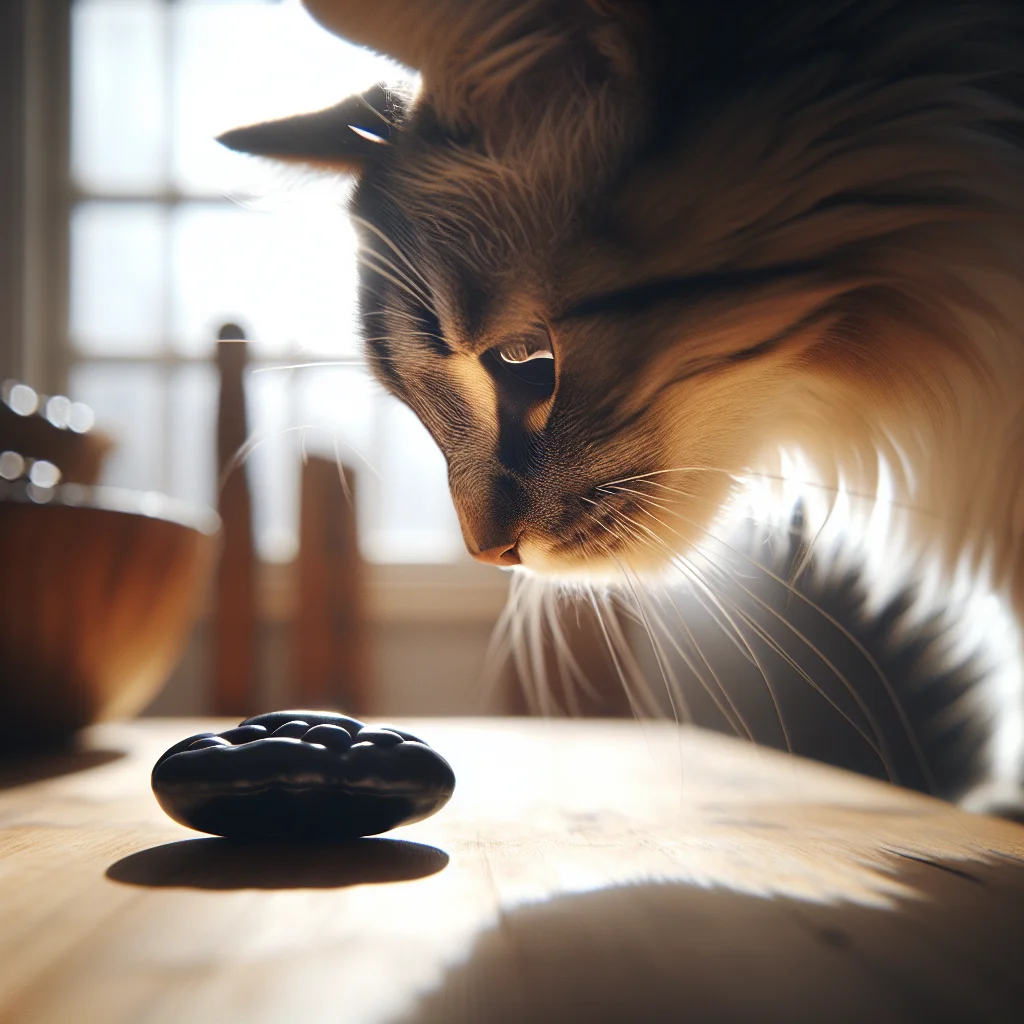
Black beans, commonly referred to as 'frijoles negros' in various regions, are not toxic to cats. However, they are not recommended as a regular part of a feline's diet. The primary concern lies in the lectins and phytates present in black beans, which can lead to digestive issues in cats. Unlike humans, cats have a unique digestive system that isn't equipped to handle high fiber and complex carbohydrates found in legumes like black beans.
What Happens if a Cat Eats Black Beans?
If a cat ingests a small amount of cooked black beans, it might not show any immediate side effects. However, larger quantities or frequent consumption can lead to gastrointestinal upset. Cats may experience symptoms like vomiting, diarrhea, or flatulence due to their inability to properly digest the carbohydrates and fiber in black beans. These symptoms occur because cats are obligate carnivores, which means their diet should primarily consist of animal protein.
Are Cooked Black Beans Safer for Cats?
While cooked black beans are softer and more digestible than raw beans, they still pose a risk to cats. Cooking does reduce the levels of certain antinutrients, but it does not eliminate them entirely. Besides, cooking often involves adding spices, salt, or other ingredients that can be harmful to cats. If you choose to offer black beans to your cat, ensure they are plain and cooked thoroughly, without any additives. Even then, moderation is key, and it should not become a staple in your cat's diet.
How Can Black Beans Affect a Cat's Nutrition?
Black beans lack the essential nutrients that cats require for optimal health. They do not provide the necessary taurine, arachidonic acid, or vitamin A, which are crucial for a cat's diet and are primarily found in meat. Over time, an imbalanced diet lacking in these nutrients can lead to serious health issues like heart disease, vision problems, and weakened immunity. It's vital to maintain a diet that fulfills all of a cat's nutritional needs, which black beans cannot provide.
What Should I Do if My Cat Eats Black Beans?
If your cat accidentally consumes black beans, monitor them closely for any signs of discomfort or distress. In most cases, small amounts may not cause any significant issues, but if symptoms like vomiting or diarrhea occur, it's best to consult your veterinarian. They can provide advice on how to manage any gastrointestinal upset and ensure your cat remains healthy and comfortable.
Can Black Beans Be Part of a Homemade Cat Diet?
While some pet owners consider incorporating black beans into homemade cat foods, it is generally not advisable. The nutritional profile of black beans does not align with the dietary needs of felines. Homemade diets should be carefully balanced and ideally formulated with the guidance of a veterinary nutritionist to ensure they meet all of a cat's dietary requirements. When in doubt, stick to commercially prepared cat foods that are specifically designed to provide complete and balanced nutrition.
Toxicity Levels
| Type | Amount | Risk |
|---|---|---|
| Raw Black Beans | Any | High |
| Cooked Black Beans | Small | Moderate |
| Canned Black Beans | Any | High |
| Seasoned Black Beans | Any | Very High |
| Black Bean Soup | Any | Very High |
Symptoms to Watch For
- Vomiting
- Diarrhea
- Flatulence
- Abdominal pain
- Lethargy
Frequently Asked Questions
Can black beans cause allergies in cats?
Are canned black beans safe for cats?
How much black bean is too much for a cat?
Can black beans improve my cat's diet?
What other legumes are unsafe for cats?