If you suspect your pet has ingested this food, do not wait for symptoms. Contact your veterinarian immediately.
Can Cats Eat Parsnip? A Cautious Guide
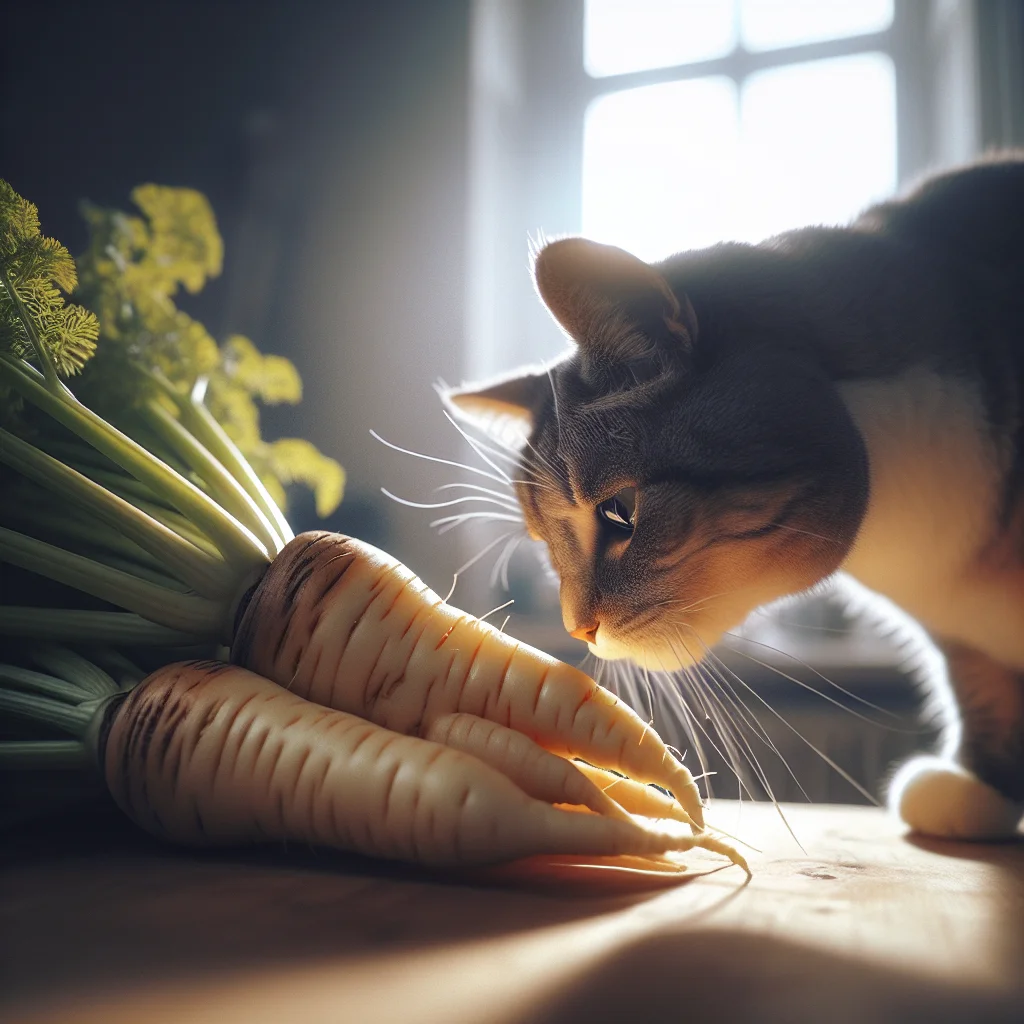
Parsnip, known to many as a flavorful root vegetable, is deemed cautious when it comes to feeding it to your feline friends. Parsnips contain compounds like furocoumarins, which in large quantities, can cause adverse reactions in cats. These compounds may lead to photosensitivity and digestive issues, affecting your cat's overall well-being. Thus, while a small amount may not be immediately harmful, it is best to tread carefully and consult your vet before offering parsnip to your furry companion.
Why is Parsnip Potentially Harmful to Cats?
Parsnips contain furocoumarins, which are organic chemical compounds that can cause photosensitivity in cats. When a cat ingests these compounds, it may become more susceptible to skin irritations and burns when exposed to sunlight. Additionally, these compounds can cause digestive issues such as vomiting and diarrhea. Cats have a unique metabolic system that doesn't process certain plant compounds well, making them more vulnerable to the adverse effects of parsnips. While small amounts might not cause immediate harm, regular or large consumption can lead to more serious health concerns.
What Symptoms Should You Watch For If Your Cat Eats Parsnip?
If your cat has ingested parsnip, you should monitor for symptoms like vomiting, diarrhea, excessive drooling, and signs of abdominal pain. Photosensitivity is another concern, where you might notice redness or irritation on your cat's skin, particularly in areas with thin fur. Should your cat exhibit any of these symptoms, it is crucial to contact your veterinarian immediately. Early intervention can prevent more severe health issues and ensure your cat remains healthy.
How Much Parsnip is Too Much for Cats?
Even though parsnip is not outright toxic, the threshold for what is considered 'too much' varies depending on the cat's size, age, and overall health. A tiny amount may not cause harm, but large portions can lead to digestive upset and other health issues. As a rule of thumb, avoid giving your cat parsnip altogether. If you suspect your cat has consumed a significant amount, observe them closely for any adverse reactions and consult your veterinarian for guidance.
What Are Safe Alternatives to Parsnip for Cats?
If you're looking for healthy treats for your cat, consider alternatives like cooked carrots or pumpkin, which are generally safe in moderation and can offer nutritional benefits without the risks associated with parsnips. These vegetables can provide fiber and vitamins, aiding in digestion and overall health. Always introduce any new food slowly and in small quantities to monitor your cat's reaction and ensure it doesn't cause any digestive upset. Consulting with your vet prior to introducing new foods is always a wise approach.
Can Parsnip Be a Part of a Balanced Diet for Cats?
While parsnip is not toxic in small amounts, it should not be a regular part of your cat's diet. Cats are obligate carnivores, meaning their diet should primarily consist of meat. Their nutritional needs are best met through high-quality commercial cat food formulated to provide the essential nutrients cats require. Vegetables, including parsnip, should be considered an occasional treat rather than a dietary staple, and only given after consulting with a veterinarian to ensure it won't negatively impact your cat's health.
Toxicity Levels
| Type | Amount | Risk |
|---|---|---|
| Raw Parsnip | Small | Low |
| Raw Parsnip | Large | Moderate |
| Cooked Parsnip | Small | Low |
| Cooked Parsnip | Large | Moderate |
| Parsnip Leaves | Any | High |
Symptoms to Watch For
- Vomiting
- Diarrhea
- Excessive Drooling
- Skin Irritation
- Abdominal Pain
Frequently Asked Questions
Can a small amount of parsnip harm my cat?
Are cooked parsnips safer for cats than raw?
What should I do if my cat shows symptoms after eating parsnip?
Can I give my cat vegetables as a treat?
Why are cats more sensitive to certain plant compounds?