
If you suspect your pet has ingested this food, do not wait for symptoms. Contact your veterinarian immediately.
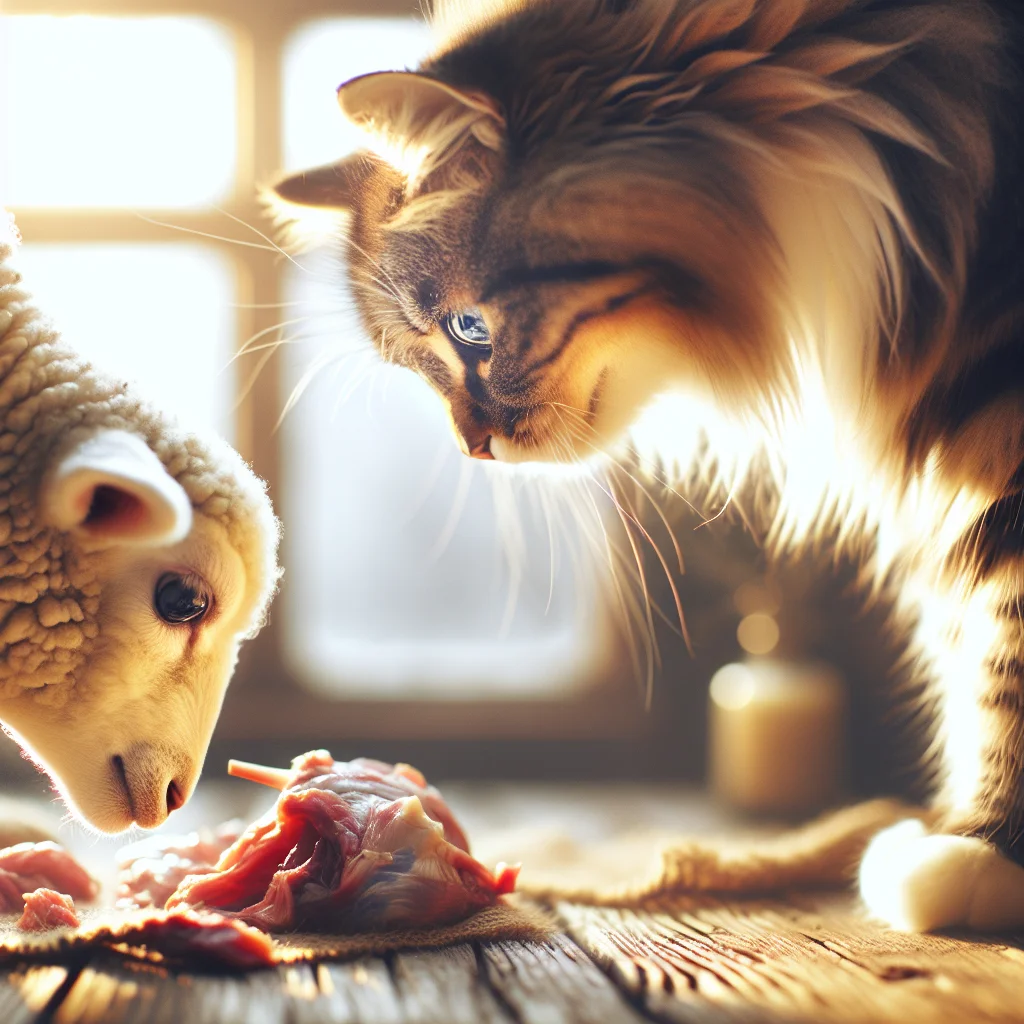
Lamb is generally safe for cats in small, controlled amounts, but pet owners should exercise caution. The caution stems from the high-fat content and potential for additives or seasoning that may harm feline health. Cats are obligate carnivores, meaning they require a diet rich in animal proteins, yet the fat content in lamb can lead to obesity or pancreatitis if consumed excessively.
What Happens if a Cat Eats Too Much Lamb?
Overconsumption of lamb can lead to several health issues in cats. The most immediate concern is the risk of pancreatitis, an inflammation of the pancreas that occurs when a cat's diet is too rich in fats. Symptoms of pancreatitis include vomiting, lethargy, abdominal pain, and a reduced appetite. Consuming large amounts of lamb can also contribute to obesity, which in turn increases the risk of diabetes and joint problems.
How Should Lamb Be Prepared for Cats?
If you decide to feed your cat lamb, preparation is key to ensuring their safety. Lamb should be cooked thoroughly to eliminate any bacteria or parasites, and it should be served plain, without any seasoning or sauces. Avoid giving your cat lamb bones, as these can splinter and cause internal injuries or blockages. Moderation is crucial, and lamb should not become a regular part of your cat's diet.
Are There Health Benefits of Lamb for Cats?
While lamb is not a staple of a cat's diet, it can offer some nutritional benefits when given appropriately. Lamb is a good source of essential amino acids, which are crucial for maintaining muscle mass and overall health in cats. It also contains zinc and iron, which support immune function and red blood cell production, respectively. However, these benefits must be weighed against the potential risks associated with lamb's high-fat content.
What Are the Signs of Lamb Intolerance in Cats?
Cats can exhibit signs of intolerance or allergic reactions to lamb. Common symptoms include itching, skin rashes, diarrhea, and vomiting. If you notice any of these symptoms after feeding your cat lamb, it's advisable to stop immediately and consult with a veterinarian. Intolerance can cause discomfort and may require medical attention if symptoms persist.
Should Lamb Be a Regular Part of a Cat's Diet?
Lamb should not be a regular fixture in a cat's diet. While it can be an occasional treat, cats require a balanced diet that fulfills their nutritional needs. Commercial cat foods are typically formulated to provide all necessary nutrients, and adding lamb should be done sparingly. Always consult with a vet before introducing new foods into your cat's diet to ensure it aligns with their health needs.
Toxicity Levels
| Type | Amount | Risk |
|---|---|---|
| Fat Content | High | Obesity |
| Bones | N/A | Choking Hazard |
| Raw | N/A | Bacterial Infection |
| Allergens | Variable | Allergic Reactions |
| Seasoning | N/A | Toxicity |
Symptoms to Watch For
- Vomiting
- Lethargy
- Abdominal Pain
- Diarrhea
- Reduced Appetite
Frequently Asked Questions
Can lamb cause allergies in cats?
How often can I feed lamb to my cat?
Is raw lamb safe for cats?
Can lamb bones be given to cats?
What should I do if my cat eats too much lamb?