If you suspect your pet has ingested this food, do not wait for symptoms. Contact your veterinarian immediately.
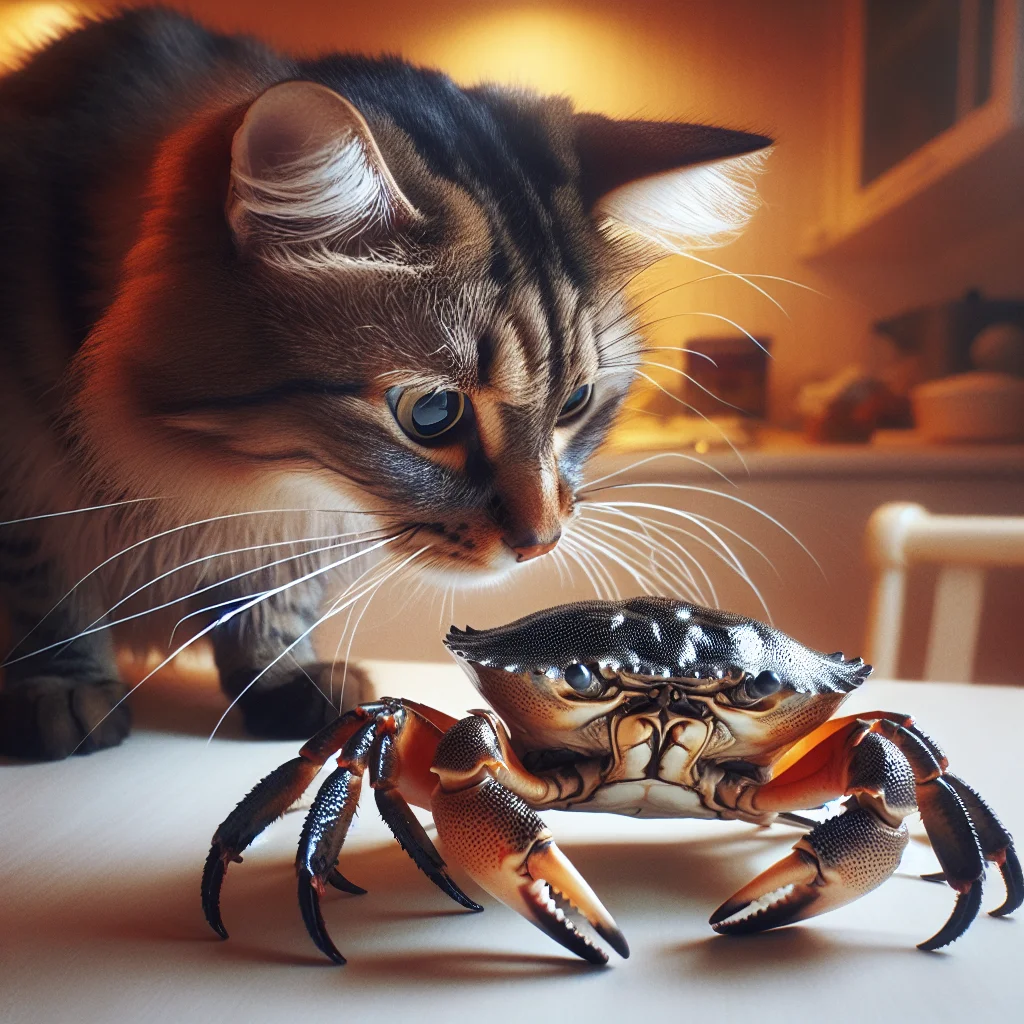
Crab is not toxic to cats, but it should be given with caution. The primary concern lies in the potential for allergic reactions and digestive issues. Crab, like many seafood products, can contain trace elements of heavy metals or be contaminated with bacteria, which can be harmful to cats. Moreover, the high sodium content in crab can pose health risks to cats, particularly if fed in large amounts or frequently.
What are the risks of feeding crab to cats?
Feeding crab to cats involves certain risks primarily due to its high sodium content and potential for bacterial contamination. High sodium intake can lead to health issues such as hypertension and kidney problems in felines. Additionally, if crab is not cooked properly, it might harbor harmful bacteria like Salmonella or Listeria, which can cause severe gastrointestinal upset in cats. It's essential to ensure that any crab given to your cat is thoroughly cooked and free of any seasoning or additives that might exacerbate these risks.
Can cats have allergic reactions to crab?
Yes, cats can indeed have allergic reactions to crab. Seafood allergies, though relatively rare, can manifest in symptoms such as itching, hives, and gastrointestinal disturbances like vomiting or diarrhea. If you notice any signs of an allergic reaction after your cat has consumed crab, it's crucial to discontinue feeding them this food and consult a veterinarian. Allergies can develop at any time, even if your cat has previously consumed crab without any issues.
How much crab is safe for cats to eat?
When it comes to feeding crab to cats, moderation is key. A small, occasional treat is generally safe for most cats, provided it is cooked and completely unseasoned. A few small pieces, no more than a tablespoon, can be enough for a treat without posing significant health risks. Overfeeding crab or making it a regular part of their diet is not recommended due to the high sodium content and potential for nutrient imbalance.
Are there safer alternatives to crab for cats?
For those wanting to treat their cats to seafood, there are safer alternatives. Salmon, for example, is often more suitable for cats and is rich in omega-3 fatty acids, which are beneficial for skin and coat health. Always ensure that any seafood given to cats is cooked and free of bones. Commercially available cat treats that are specifically formulated with seafood flavors are also a safer and more balanced option for your feline friend.
What should you do if your cat experiences adverse effects from crab?
If your cat shows any adverse effects after consuming crab, such as vomiting, diarrhea, or signs of an allergic reaction, it is crucial to seek veterinary advice immediately. Providing your veterinarian with information about the amount and type of crab consumed can aid in diagnosis and treatment. In cases of mild reactions, withholding food for a short period and providing plenty of fresh water might be advised, but always under the guidance of a veterinarian.
Toxicity Levels
| Type | Amount | Risk |
|---|---|---|
| Raw crab | Any | High bacterial risk |
| Cooked crab | Small portions | Moderate |
| Imitation crab | Small portions | Moderate |
| Seasoned crab | Any | High |
| Crab shells | Any | Choking hazard |
Symptoms to Watch For
- Vomiting
- Diarrhea
- Itching
- Swelling
- Lethargy
Frequently Asked Questions
Can cats eat raw crab?
Is imitation crab safe for cats?
What signs should I watch for if my cat has eaten too much crab?
How often can I feed crab to my cat?
What types of crab are safe for cats?