If you suspect your pet has ingested this food, do not wait for symptoms. Contact your veterinarian immediately.
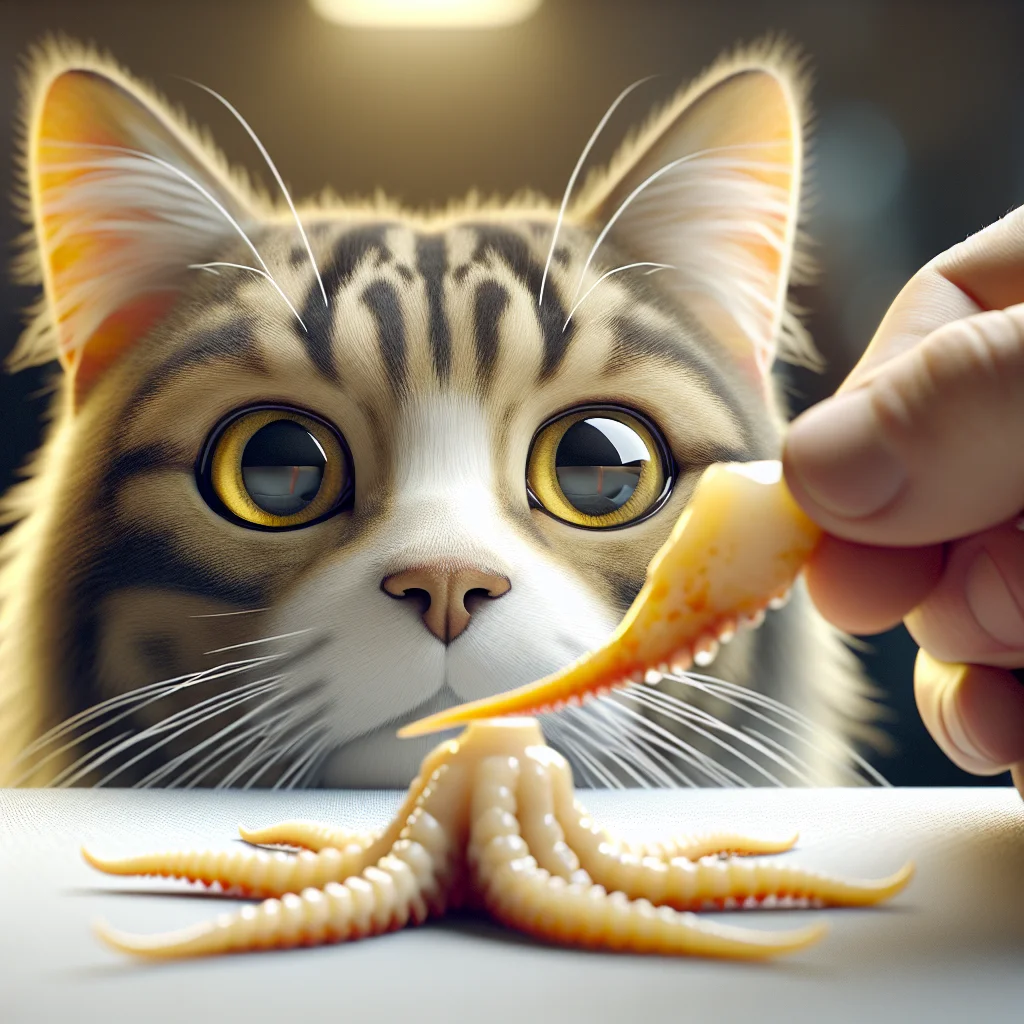
Safe or Toxic: Calamari is cautionary when it comes to feeding your cat. While not outright toxic, it contains elements that could lead to health issues if consumed in large amounts. Calamari, often served fried and seasoned, contains oils and spices that are unsuitable for feline digestion. Unseasoned, cooked calamari can be given in moderation, but the presence of potential allergens and high cholesterol levels should not be ignored.
Can Cats Digest Calamari Properly?
Cats have a digestive system that is not well-suited to handle certain types of seafood, particularly when it is fried or heavily spiced. Calamari, when prepared in these ways, can cause digestive upset in cats, leading to symptoms such as vomiting and diarrhea. Cats are obligate carnivores, meaning their diet should primarily consist of meat rather than seafood. If you choose to offer calamari, ensure it is plain, cooked, and given in small portions to minimize any health risks.
What Happens If My Cat Eats Too Much Calamari?
Overindulgence in calamari can lead to gastrointestinal issues due to its high cholesterol and fat content. Cats consuming too much calamari may experience vomiting, diarrhea, or even pancreatitis, a condition where the pancreas becomes inflamed. The oils used in frying and the potential presence of spices amplify these risks. If your cat exhibits signs of distress after eating calamari, consult a veterinarian immediately.
Is Raw Calamari Safe for Cats?
Raw calamari poses a significant health risk to cats due to the potential presence of parasites and harmful bacteria like Salmonella or Listeria. These pathogens can cause severe illness in cats, leading to symptoms such as lethargy, fever, and vomiting. Always ensure that any calamari given to cats is thoroughly cooked to eliminate these risks.
What Are the Symptoms of Calamari Consumption in Cats?
If calamari does not agree with your cat, you may observe symptoms such as vomiting, diarrhea, and loss of appetite. In more severe cases, symptoms of pancreatitis may emerge, which include abdominal pain, dehydration, and lethargy. Monitoring your cat closely after they consume calamari is crucial, and any severe or prolonged symptoms should prompt a visit to the veterinarian.
How Can I Safely Introduce Calamari to My Cat's Diet?
To safely introduce calamari, start with a very small, plain-cooked piece and observe your cat's reaction. Avoid adding any seasoning or sauces. Monitor for any adverse reactions over the next 24 to 48 hours. If your cat does not exhibit any negative symptoms, occasional small doses may be acceptable. However, calamari should never become a regular part of your cat's diet due to the potential health risks.
Toxicity Levels
| Type | Amount | Risk |
|---|---|---|
| Calamari (raw) | Any amount | High |
| Calamari (fried) | Small to large | High |
| Calamari (plain cooked) | Small | Moderate |
| Calamari (seasoned) | Any amount | High |
| Calamari (with sauce) | Any amount | High |
Symptoms to Watch For
- Vomiting
- Diarrhea
- Fever
- Lethargy
- Loss of Appetite
Frequently Asked Questions
Can calamari be part of a cat's regular diet?
What should I do if my cat eats a lot of calamari?
Are there any seafoods safer than calamari for cats?
Why is fried calamari bad for cats?
How much calamari can I safely give my cat?