If you suspect your pet has ingested this food, do not wait for symptoms. Contact your veterinarian immediately.
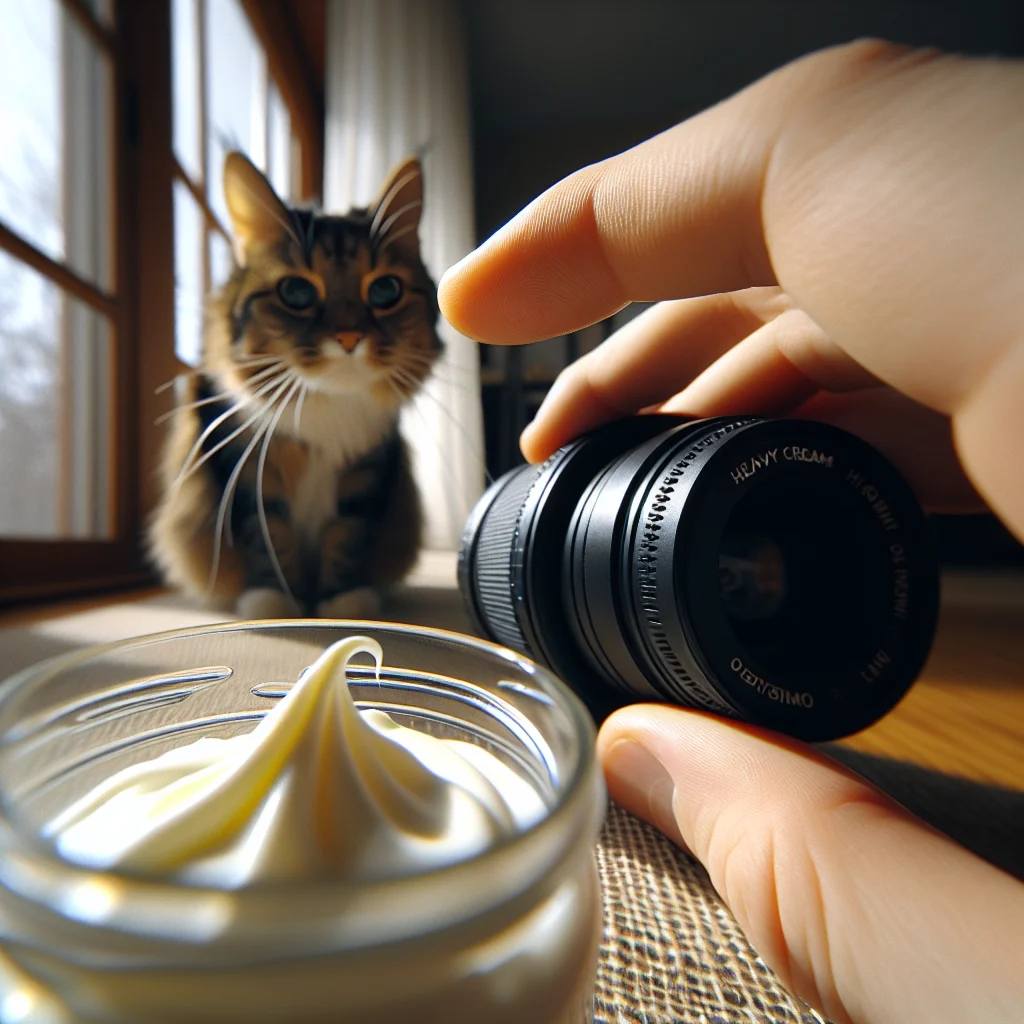
Safe/Toxic verdict: Heavy cream is generally not recommended for cats, as it can lead to digestive issues. The primary concern with cats consuming heavy cream lies in lactose intolerance. Most adult cats lack lactase, the enzyme needed to digest lactose found in dairy products like heavy cream. This can lead to gastrointestinal upsets such as diarrhea, vomiting, and bloating. While some cats may tolerate small amounts, caution is advised due to the potential for serious digestive disturbances.
What Happens if a Cat Eats Heavy Cream?
If a cat consumes heavy cream, it might initially seem normal. However, within a few hours, you may observe symptoms such as diarrhea and vomiting. The high fat content in heavy cream can also lead to pancreatitis, a painful condition requiring veterinary attention. Cats may also experience increased thirst and dehydration, exacerbating these symptoms. Monitoring your cat closely for any signs of distress is crucial if they have ingested heavy cream.
Why Are Some Cats More Affected by Dairy?
Not all cats respond the same way to dairy, and this variability often confuses pet owners. The difference lies in individual lactose tolerance levels. Kittens produce lactase to digest their mother's milk, but as they grow, this enzyme production typically decreases. Some cats retain higher levels of lactase, allowing them to tolerate small amounts of dairy. However, this is the exception rather than the rule, and it's safer to assume most cats will have some degree of lactose intolerance.
How Much Heavy Cream is Too Much for Cats?
Even small amounts of heavy cream can be problematic for cats. As a rule of thumb, any amount beyond a teaspoon could potentially cause digestive upset. The high fat content not only risks immediate symptoms like vomiting and diarrhea but can also contribute to obesity and long-term health issues if consumed regularly. Therefore, it's best to avoid giving heavy cream to your cat altogether.
Are There Safe Alternatives to Heavy Cream for Cats?
For cat owners seeking a safe treat, there are alternatives to heavy cream. Lactose-free milk designed specifically for cats is a safer option. Additionally, some cat-specific treats mimic the creamy texture cats enjoy, without the harmful effects of lactose. Always choose products specifically labeled as safe for feline consumption to avoid any adverse reactions.
What Should I Do if My Cat Shows Signs of Lactose Intolerance?
If your cat shows signs of lactose intolerance such as diarrhea or vomiting after consuming heavy cream, it's important to withhold any further dairy products. Provide fresh water and monitor your cat's symptoms. If symptoms persist or worsen, contact your veterinarian for guidance. In severe cases, veterinary intervention might be necessary to prevent dehydration and provide supportive care.
Toxicity Levels
| Type | Amount | Risk |
|---|---|---|
| Heavy Cream | 1 teaspoon | Mild |
| Heavy Cream | 1 tablespoon | Moderate |
| Heavy Cream | 2 tablespoons | High |
| Heavy Cream | 3 tablespoons | Severe |
| Heavy Cream | 1/4 cup | Critical |
Symptoms to Watch For
- Vomiting
- Diarrhea
- Bloating
- Lethargy
- Dehydration
Frequently Asked Questions
Can kittens have heavy cream?
Is there any dairy safe for cats?
How can I tell if my cat is lactose intolerant?
What are the long-term effects of feeding cats heavy cream?
Are there non-dairy treats that mimic the taste of cream for cats?