
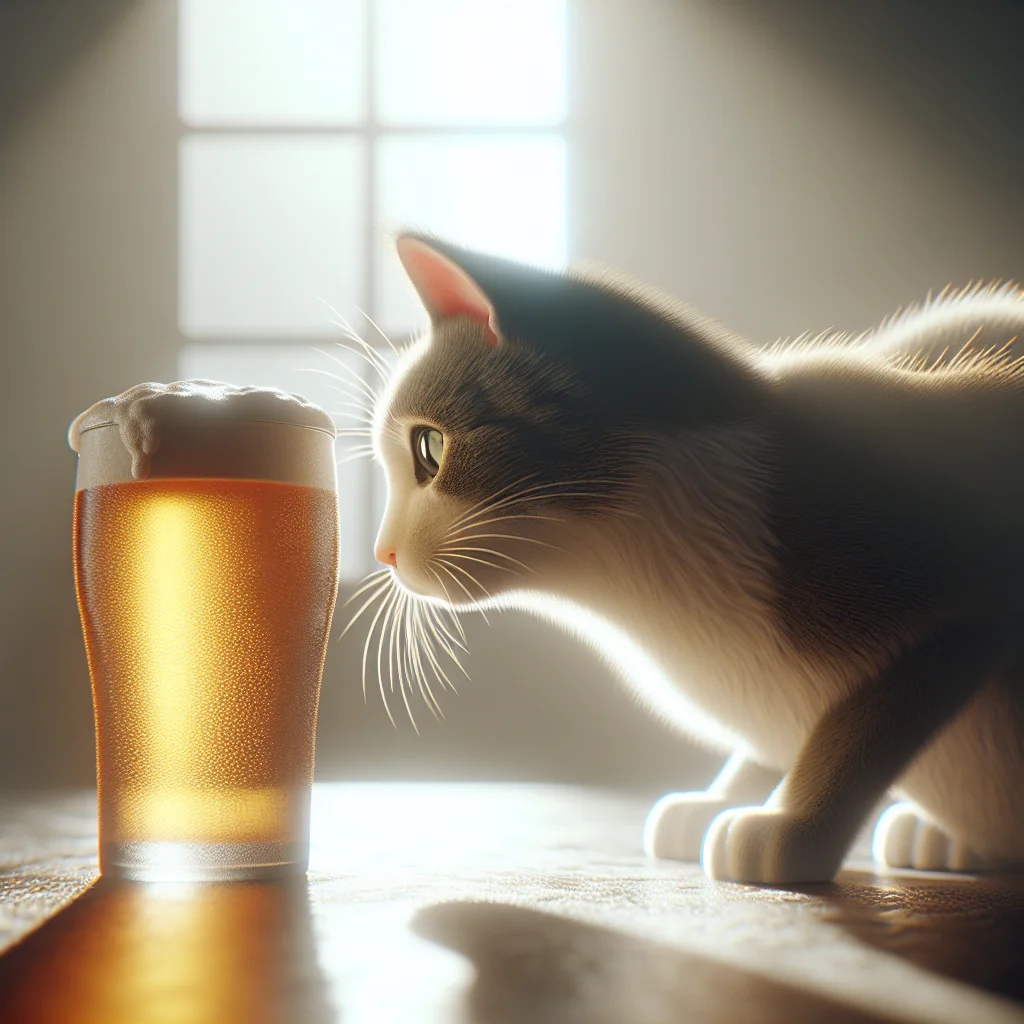
If you suspect your pet has ingested this food, do not wait for symptoms. Contact your veterinarian immediately.
Beer is toxic for cats. The primary culprits are ethanol and hops, both found in beer. Ethanol, a type of alcohol, is highly toxic to cats, causing central nervous system depression. Hops, another ingredient in beer, can cause hyperthermia, which is an abnormally high body temperature. Together, these toxins can lead to life-threatening conditions. Cats lack the enzymes needed to metabolize alcohol efficiently, making even small amounts dangerous. Understanding these mechanisms is crucial for ensuring your cat's safety.
What are the symptoms of beer poisoning in cats?
Symptoms of beer poisoning in cats can appear quickly and vary in severity. Initial signs include vomiting, diarrhea, and lethargy. As the condition worsens, your cat may exhibit ataxia, or a lack of coordination, and excessive drooling. In severe cases, symptoms can escalate to seizures, respiratory distress, and even coma. Recognizing these symptoms early is vital for effective intervention. If you observe any of these signs, contact your veterinarian immediately.
How much beer is dangerous for a cat?
Even a small amount of beer can be dangerous for cats. Due to their small size and low tolerance for alcohol, even a few sips can lead to significant toxicity. The ethanol content in beer is enough to cause alcohol poisoning in cats, which can be fatal. No amount of beer is safe for your cat, and it is best to keep all alcoholic beverages out of their reach. Prevention is the most effective way to protect your feline friend from this risk.
How do I treat a cat that has consumed beer?
If your cat has ingested beer, it is crucial to seek veterinary attention immediately. Do not attempt to induce vomiting unless instructed by a professional. Treatment typically involves stabilizing the cat's condition through intravenous fluids, medications to manage symptoms, and continuous monitoring. The quicker the response, the better the prognosis. Always have emergency contacts ready, including your veterinarian and a local emergency animal hospital.
Why are cats attracted to beer?
Cats may be attracted to beer due to its smell or the curiosity about the liquid their owners are drinking. However, this interest is dangerous due to the toxic nature of beer. Some cats may also be drawn to the taste of the malt and hops, not realizing the harm it could cause them. Ensuring that alcoholic beverages are inaccessible to your cat is essential for preventing accidental ingestion.
Are there any safe alternatives for cats?
There are no alcoholic beverages safe for cats, but there are plenty of alternatives to satisfy their curiosity. Catnip tea, tuna water, or commercially available cat-friendly drinks can provide a safe and enjoyable experience for your feline friend. Always ensure that these alternatives are specifically made for cats and do not contain any harmful ingredients.
Toxicity Levels
| Type | Amount | Risk |
|---|---|---|
| Ethanol | 0.1% | High |
| Hops | Trace | Moderate |
| Malt | Ingredient | Low |
| Carbonation | Present | Low |
| Preservatives | Varies | Moderate |
Symptoms to Watch For
- Vomiting
- Diarrhea
- Lethargy
- Seizures
- Respiratory Distress
Frequently Asked Questions
What should I do if my cat accidentally drinks beer?
Can a small amount of beer kill a cat?
Why do some cats like the smell of beer?
Is non-alcoholic beer safe for cats?
Can beer cause long-term damage to cats?