
If you suspect your pet has ingested this food, do not wait for symptoms. Contact your veterinarian immediately.
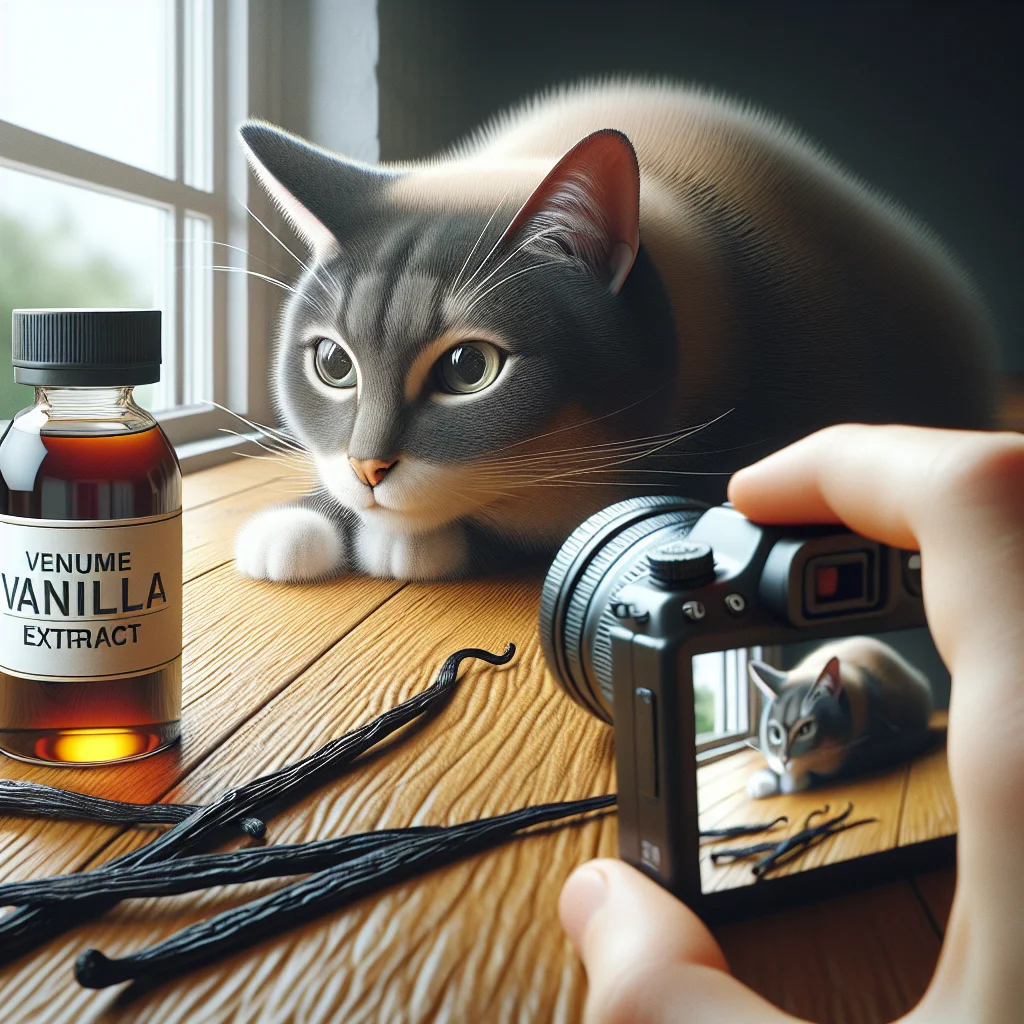
Toxic. Vanilla extract is highly toxic to cats primarily because of its alcohol content. The alcohol in vanilla extract can cause severe health issues in cats, including alcohol poisoning. Cats lack the enzymes necessary to metabolize alcohol efficiently, which leads to rapid onset of symptoms and potential life-threatening conditions.
What Happens If a Cat Consumes Vanilla Extract?
If a cat ingests vanilla extract, the alcohol content can lead to serious health problems. The ethanol in vanilla extract rapidly absorbs into the bloodstream, potentially causing central nervous system depression. Symptoms can include lethargy, lack of coordination, and vomiting. In severe cases, it might lead to respiratory distress, hypothermia, or even a coma. Immediate veterinary attention is crucial to manage and mitigate these effects.
How Much Vanilla Extract is Dangerous for Cats?
Even small amounts of vanilla extract can be hazardous to cats. A teaspoon of vanilla extract contains enough ethanol to cause toxicity in a cat. The smaller the cat, the higher the risk, as their bodies are less capable of metabolizing alcohol efficiently. Always keep vanilla extract out of reach and ensure that any foods containing vanilla extract are not accessible to your feline companions.
What are the Symptoms of Vanilla Extract Poisoning in Cats?
Symptoms of vanilla extract poisoning in cats can manifest quickly. Look for signs such as vomiting, diarrhea, depression, and a lack of coordination. In more severe cases, symptoms may include difficulty breathing and seizures. If you suspect your cat has consumed vanilla extract, it is imperative to seek veterinary care immediately to prevent serious health consequences.
How Can I Prevent My Cat from Accessing Vanilla Extract?
Prevention is key to ensuring your cat's safety. Store vanilla extract and other alcohol-containing products in secure, cat-proof cabinets. Be mindful of where you leave baking ingredients during cooking and cleaning up spills promptly. Educate family members and guests about the dangers of vanilla extract to cats, and ensure they do not inadvertently feed or leave food containing it within reach.
What Should I Do If My Cat Ingests Vanilla Extract?
If you suspect your cat has ingested vanilla extract, contact a veterinarian immediately. Do not attempt home remedies without professional guidance, as these can often cause more harm. Your veterinarian may induce vomiting or administer activated charcoal to prevent further absorption of alcohol. In severe cases, hospitalization might be necessary to provide supportive care and monitor your cat's vital signs closely.
Toxicity Levels
| Type | Amount | Risk |
|---|---|---|
| Vanilla Extract | 1 teaspoon | High |
| Vanilla Extract | 1 tablespoon | Severe |
| Vanilla Extract in Food | Mixed in dishes | Moderate to High |
| Alcohol-containing Foods | Any | High |
| Vanilla Scent | Inhalation | Low to Moderate |
Symptoms to Watch For
- Vomiting
- Diarrhea
- Lethargy
- Seizures
- Difficulty Breathing
Frequently Asked Questions
Can vanilla extract kill a cat?
Is there any safe amount of vanilla extract for cats?
Why is vanilla extract more dangerous than other foods?
What alternatives can I use instead of vanilla extract for cat-safe treats?
Can cats be allergic to vanilla extract?