
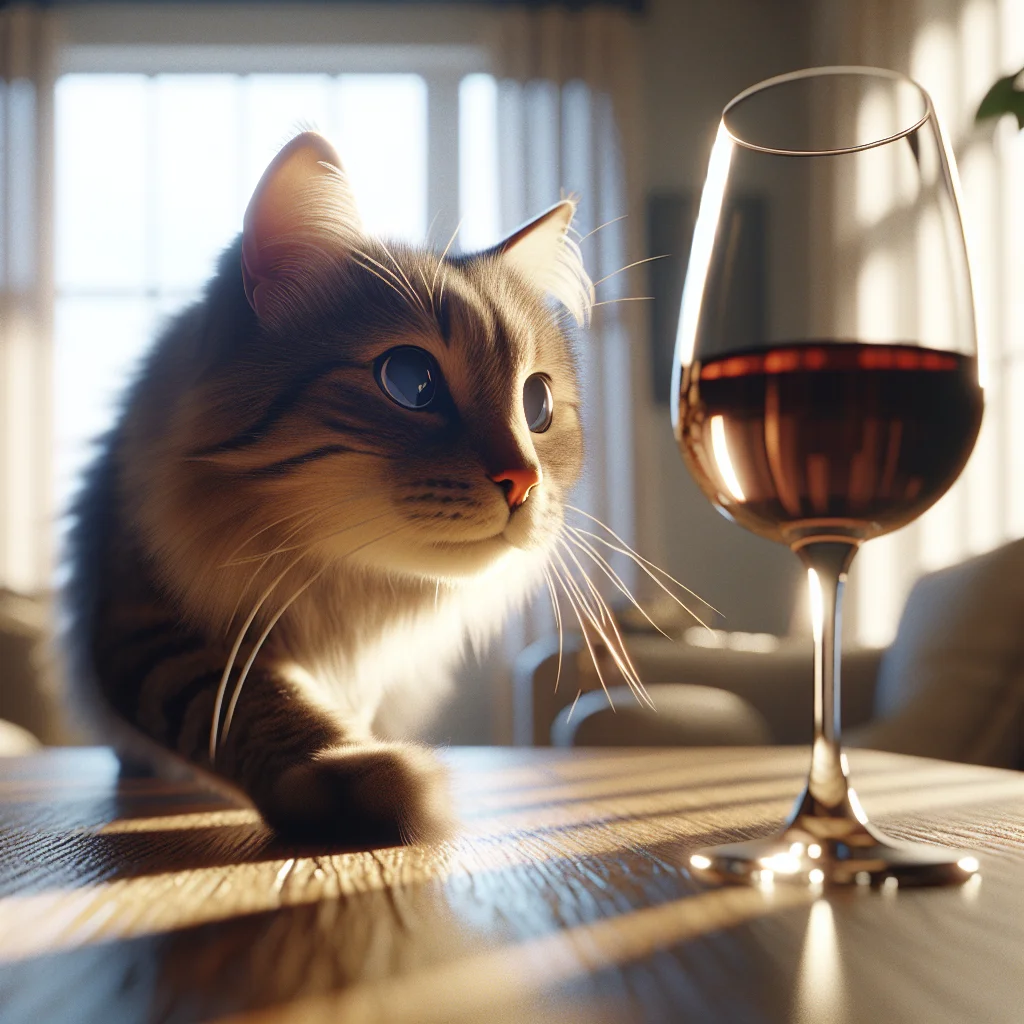
If you suspect your pet has ingested this food, do not wait for symptoms. Contact your veterinarian immediately.
Toxic. Cats should never be given wine, as it contains ethanol and other compounds that are highly toxic to them. These substances can cause severe reactions and potentially life-threatening symptoms. Cats have a much lower tolerance for alcohol compared to humans, and even small amounts can lead to poisoning. Understanding the risks and taking preventive measures is crucial for your pet's health.
What Happens if a Cat Drinks Wine?
If a cat ingests wine, the ethanol in it rapidly enters the bloodstream, leading to central nervous system depression. Signs like lethargy, uncoordinated movements, and respiratory distress can appear. In severe cases, it can lead to coma or even death. Cats lack the enzymes to effectively metabolize alcohol, making them extremely sensitive to its effects. Immediate veterinary care is essential if ingestion occurs.
How Much Wine is Harmful to Cats?
Even a teaspoon of wine can be harmful to a cat. The ethanol content in wine is enough to cause toxicity, and its small body size exacerbates the effects. Unlike humans, cats do not have the capacity to process alcohol, making even minimal consumption dangerous. If your cat has consumed any amount of wine, it's vital to seek veterinary assistance immediately.
What are the Symptoms of Wine Poisoning in Cats?
Symptoms of wine poisoning in cats include vomiting, diarrhea, weakness, and disorientation. You might also observe an increased heart rate or seizures. These symptoms can progress rapidly, and without prompt treatment, they can lead to severe complications. It is important to monitor your cat closely and seek veterinary care at the first sign of distress.
How to Treat a Cat That Drank Wine?
If you suspect your cat has consumed wine, it's crucial to act swiftly. Contact your veterinarian or an emergency animal clinic immediately. Treatment may involve inducing vomiting, administering activated charcoal, or providing supportive care such as IV fluids. The goal is to prevent further absorption of alcohol and to stabilize the cat's condition.
How to Prevent Cats from Accessing Wine?
Prevention is key to keeping your cat safe from wine toxicity. Ensure that wine and other alcoholic beverages are stored securely out of reach. Be mindful during events or gatherings where drinks are present, as curious cats may try to sample unattended glasses. Educating family members and guests about the risks can help prevent accidental exposure.
Toxicity Levels
| Type | Amount | Risk |
|---|---|---|
| Wine | 1 teaspoon | High |
| Wine | 1 tablespoon | Severe |
| Wine | 1 ounce | Critical |
| Wine | 2 ounces | Life-threatening |
| Wine | 3 ounces | Fatal |
Symptoms to Watch For
- Vomiting
- Disorientation
- Lethargy
- Increased Heart Rate
- Seizures
Frequently Asked Questions
Can a small amount of wine be safe for cats?
What should I do if my cat accidentally drinks wine?
Why are cats more sensitive to alcohol than humans?
Are there any safe alcoholic drinks for cats?
Can wine cause long-term health issues in cats?