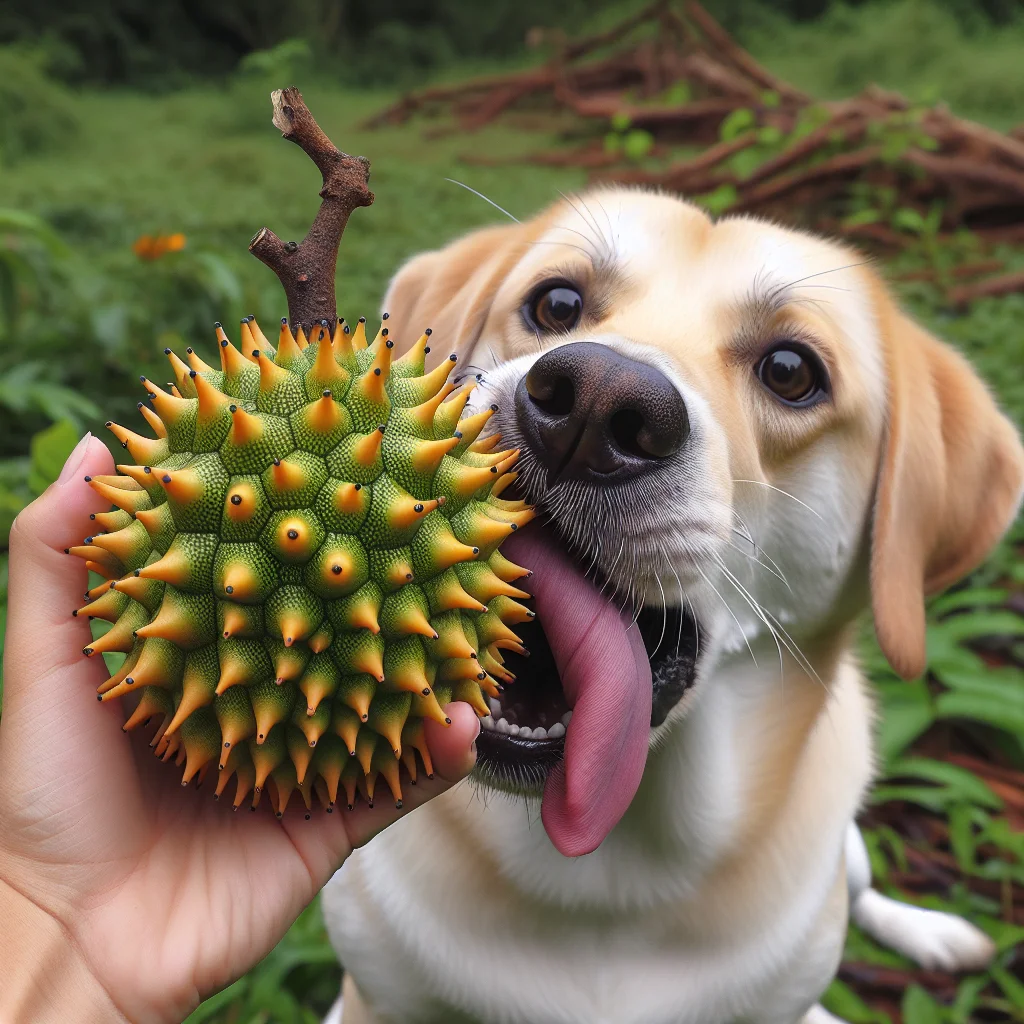

Can Dogs Eat Redcurrant? Toxic or Safe for Your Canine Companion
Redcurrants can pose a cautionary risk to dogs. Learn about the potential dangers, symptoms of ingestion, and how to keep your pet safe.

Explore our veterinary-reviewed food list. Find out instantly what is safe and what is toxic.
Redcurrants can pose a cautionary risk to dogs. Learn about the potential dangers, symptoms of ingestion, and how to keep your pet safe.

Delving into the safety of plums for dogs, examining potential risks, symptoms of toxicity, and offering expert advice.
Passion fruit, while nutritious for humans, poses risks for dogs due to cyanogenic compounds in its seeds. Discover safe consumption practices.
Oranges can be a healthy treat for dogs when given in moderation, but there are important considerations to ensure their safety.
Olives can pose a cautionary risk to dogs due to their high sodium content and potential for causing digestive issues.
Discover whether marionberries are a safe treat for your furry friend and learn the benefits and precautions of feeding this berry to dogs.
Lingonberries are safe for dogs in moderation but carry potential risks if consumed excessively. Learn about their benefits and precautions.
Kiwano, or horned melon, is a unique fruit that requires caution when feeding to dogs. Learn about potential risks and how to safely introduce it to your pet's diet.
Juniper berries can pose a risk to dogs. Learn the symptoms and what to do if your dog ingests them.
Jackfruit, while a delicious tropical fruit for humans, poses a cautionary tale for our four-legged friends. Discover the potential risks and safe practices.
Discover why grapes are toxic to dogs, the symptoms of grape poisoning, and what to do if your dog ingests them.
While durian is a popular fruit in many cultures, its consumption by dogs requires caution due to potential digestive issues and toxicity risks.