
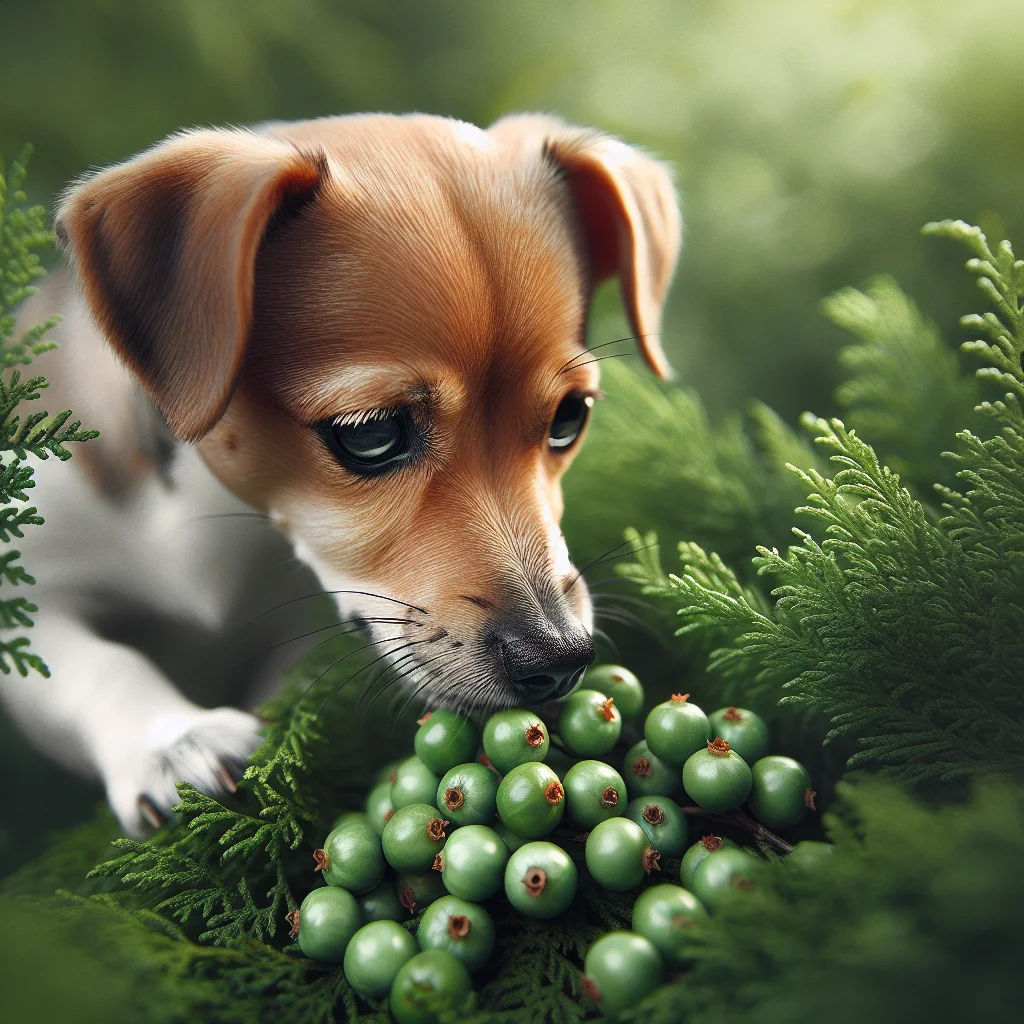
If you suspect your pet has ingested this food, do not wait for symptoms. Contact your veterinarian immediately.
Juniper berries are considered toxic to dogs. The primary toxin found in these berries is thujone, a compound that can cause adverse reactions in canines. When ingested, thujone can lead to symptoms ranging from mild gastrointestinal upset to more severe neurological effects. Understanding the risks and symptoms of juniper berry ingestion in dogs is crucial for pet owners.
What are the symptoms of juniper berry poisoning in dogs?
When a dog ingests juniper berries, symptoms can vary depending on the amount consumed. Common symptoms include vomiting, diarrhea, and abdominal pain. In some cases, dogs may also exhibit signs of lethargy or weakness. More severe cases can lead to neurological symptoms such as tremors or seizures. If you suspect your dog has ingested juniper berries, monitoring them closely for these symptoms is essential, and seeking veterinary attention is recommended if symptoms occur.
How much juniper berry is toxic to dogs?
The level of toxicity can depend on the size of the dog and the amount of juniper berries consumed. Small amounts might only cause mild symptoms, but larger quantities can be more dangerous, particularly in smaller dogs. There is no precise threshold that defines a toxic dose as it can vary widely. As a rule of thumb, any ingestion of juniper berries should be treated seriously, and consultation with a veterinarian is advised.
What should I do if my dog ate juniper berries?
If your dog has ingested juniper berries, it's important to contact your veterinarian immediately. Do not induce vomiting unless specifically instructed by a veterinary professional. Provide your vet with details about the quantity ingested and any symptoms your dog is displaying. In some cases, treatment may involve supportive care or medications to manage symptoms and prevent complications.
Are all dogs affected equally by juniper berries?
Not all dogs will react the same way to juniper berries. Factors such as age, size, and overall health can influence how a dog responds to ingestion. Puppies and smaller breeds are generally at a higher risk due to their size, while dogs with preexisting health issues may also be more vulnerable. Always err on the side of caution and seek professional advice if your dog consumes any part of the juniper plant.
Can dogs be trained to avoid juniper berries?
Training can be an effective way to prevent your dog from eating harmful substances like juniper berries. Positive reinforcement techniques can teach dogs to avoid certain plants while out on walks. Consistently rewarding your dog for ignoring or moving away from juniper berries can help reinforce this behavior. However, supervision remains key, especially in areas where juniper is prevalent.
Toxicity Levels
| Type | Amount | Risk |
|---|---|---|
| Small Dog | 1-2 berries | High |
| Medium Dog | 3-5 berries | Moderate |
| Large Dog | 5+ berries | Moderate to High |
| Puppy | Any amount | Very High |
| Senior Dog | Any amount | High |
Symptoms to Watch For
- Vomiting
- Diarrhea
- Abdominal Pain
- Lethargy
- Neurological Issues
Frequently Asked Questions
Can a small amount of juniper berries harm my dog?
How do I know if my dog has eaten juniper berries?
Are there any safe alternatives to juniper berries for dogs?
Can juniper berries be used in any dog-safe products?
Is there a treatment for juniper berry poisoning?