
If you suspect your pet has ingested this food, do not wait for symptoms. Contact your veterinarian immediately.
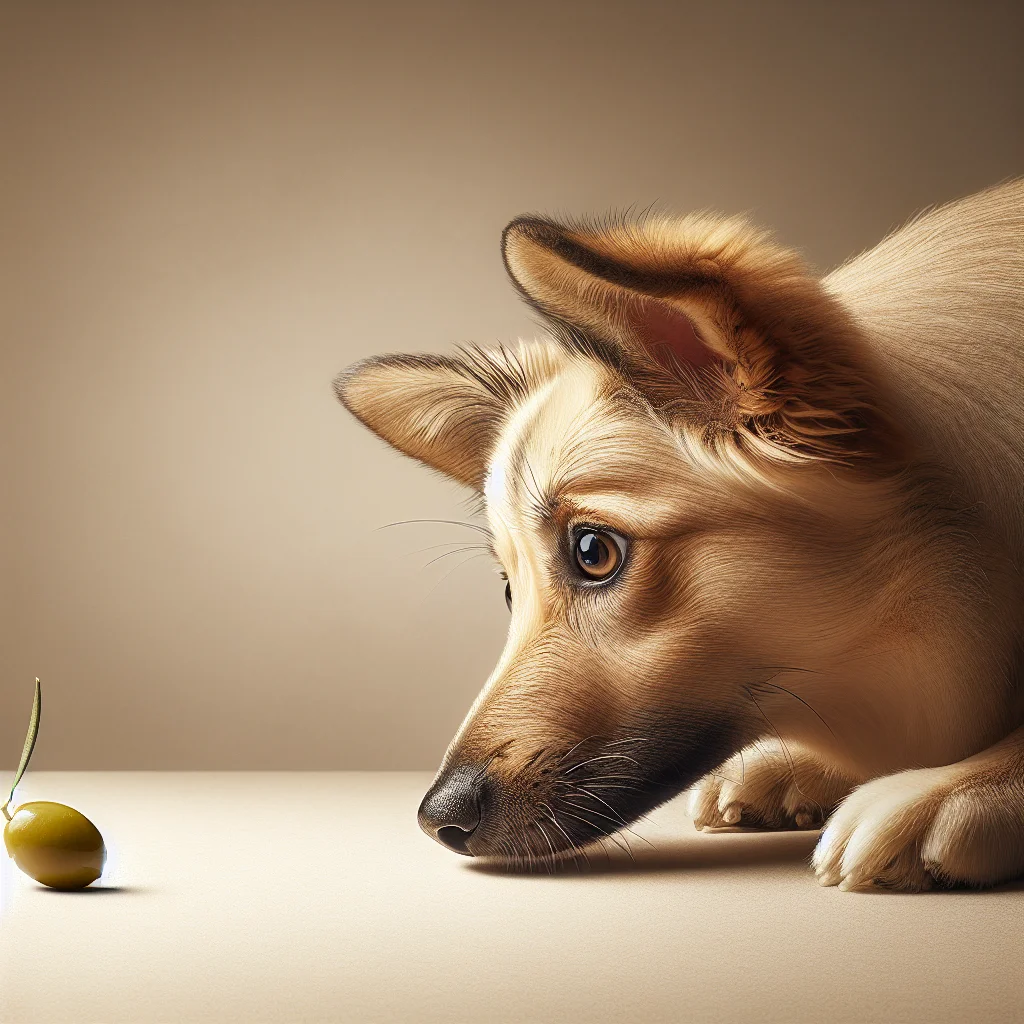
Olives are not toxic to dogs, but they are a cautionary food due to their high sodium content and potential for causing digestive issues. When consumed in large quantities, olives can lead to gastrointestinal upset and other health problems in dogs. The main concern lies in the high salt content found in many commercially processed olives, which can lead to sodium ion poisoning if ingested in excess.
Can Dogs Eat Green Olives?
Green olives are generally safe for dogs to eat in moderation. However, pet owners should be cautious of olives that contain pits, as these can be a choking hazard or cause intestinal blockages. It's best to offer your dog pitted green olives, and ensure they are unsalted to avoid any potential health risks. While a small amount of green olive can be a tasty treat, overindulgence may lead to digestive upset.
Are Black Olives Safe for Dogs?
Black olives, similar to green olives, are safe for dogs when given in small amounts. The primary concern with black olives is the high sodium content found in canned or jarred varieties. Fresh black olives are a better option, but should still be offered as an occasional treat rather than a regular part of your dog's diet. Always remove the pit to prevent choking or digestive issues.
What Happens If a Dog Eats Too Many Olives?
If a dog consumes too many olives, they may experience symptoms of gastrointestinal distress, such as vomiting or diarrhea. The high salt content can also lead to dehydration or sodium ion poisoning, which manifests as excessive thirst, urination, and, in severe cases, seizures. If your dog has consumed a large quantity of olives, monitor them closely and consult a veterinarian if symptoms arise.
Can Olive Pits Harm Dogs?
Olive pits can indeed be harmful to dogs. They pose significant risks as a choking hazard and can cause blockages in the digestive tract. Additionally, the hard texture of the pits can damage your dog's teeth. If your dog has ingested an olive pit, watch for signs of discomfort or obstruction, such as vomiting or inability to defecate, and seek veterinary advice if needed.
Are Olive Leaves Dangerous for Dogs?
Olive leaves are generally considered safe for dogs in small amounts. Some pet owners use olive leaf extract for its purported health benefits, such as boosting the immune system. However, it's important to consult with a veterinarian before introducing any new supplements to your dog's diet. Large quantities of olive leaves could lead to digestive upset, so moderation is key.
Toxicity Levels
| Type | Amount | Risk |
|---|---|---|
| Green Olives | 1-2 | Low |
| Black Olives | 1-2 | Low |
| Salted Olives | 3+ | High |
| Olive Pits | Any | High |
| Olive Leaves | Moderate | Low |
Symptoms to Watch For
- Vomiting
- Diarrhea
- Excessive thirst
- Frequent urination
- Seizures
Frequently Asked Questions
Can dogs eat olives every day?
What are the signs of sodium ion poisoning in dogs?
How should I prepare olives before giving them to my dog?
Are there any health benefits of olives for dogs?
Can puppies eat olives?