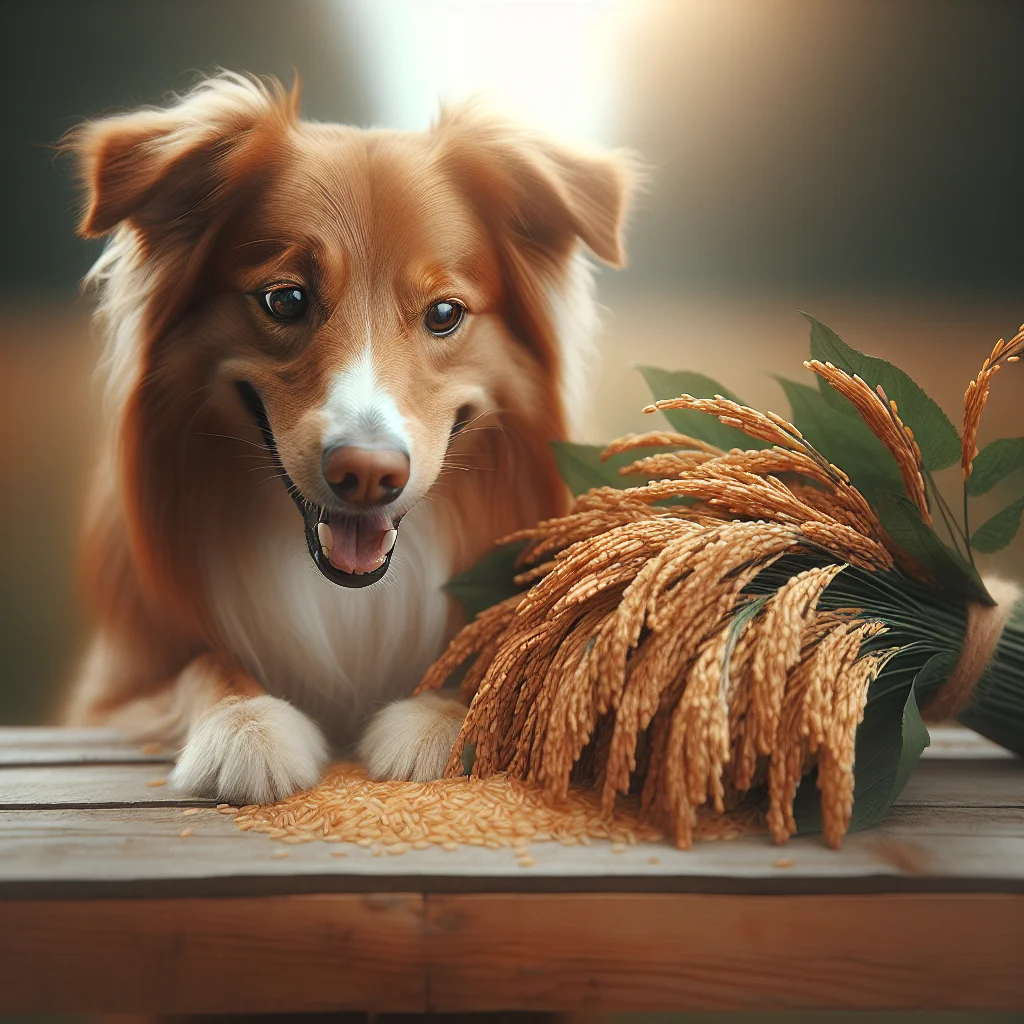
Safe verdict: Wild rice is safe for dogs to consume. Unlike some grains that contain gluten, wild rice is gluten-free and poses no toxicity risk to canines. The scientific mechanism behind its safety lies in its natural composition, which lacks harmful toxins or substances that could adversely affect a dog's health.
What Are the Benefits of Feeding Wild Rice to Dogs?
Wild rice is a rich source of dietary fiber, protein, and essential minerals, making it a beneficial addition to a dog's diet. The fiber content aids in digestion and helps maintain a healthy weight by promoting a feeling of fullness. Additionally, the protein in wild rice supports muscle development and repair, which is crucial for active dogs. It also contains essential minerals like magnesium and phosphorus, contributing to bone health and metabolic functions. Incorporating wild rice into your dog's meals can enhance their overall health, provided it is given in moderation and as part of a balanced diet.
How Much Wild Rice Can Dogs Eat?
The appropriate amount of wild rice for dogs depends on their size, age, and activity level. Generally, it is safe to include wild rice as a small portion of your dog's meal, comprising about 10% of their total diet. For smaller breeds, a tablespoon or two is sufficient, while larger breeds might enjoy a quarter to half a cup. It's crucial to observe your dog's reaction to wild rice and adjust the quantity accordingly, ensuring it complements their nutritional needs without causing digestive issues.
Can All Dogs Eat Wild Rice?
Most dogs can safely enjoy wild rice, but it's essential to introduce it gradually to avoid any potential digestive upset. Dogs with specific dietary restrictions or allergies should be monitored closely when trying new foods. If you notice any adverse reactions such as vomiting, diarrhea, or changes in behavior, discontinue feeding wild rice and consult your veterinarian. Puppies and senior dogs may require different nutritional needs, so it's advisable to discuss any dietary changes with a vet to ensure it's suitable.
How Should Wild Rice Be Prepared for Dogs?
When preparing wild rice for your dog, it should be cooked plain without any added salt, spices, or seasonings that could be harmful. Rinse the rice thoroughly before cooking to remove any impurities, and ensure it is fully cooked to avoid gastrointestinal discomfort. You can mix cooked wild rice with your dog's regular food or serve it as a standalone treat. By keeping the preparation simple and natural, you can maximize the health benefits for your furry friend.
What Are the Alternatives to Wild Rice for Dogs?
If wild rice is not available or your dog doesn't prefer it, there are several other grains and carbohydrate sources that can be included in their diet. Brown rice, quinoa, and oats are excellent alternatives, each offering unique nutritional benefits. These grains are also gluten-free and provide similar health advantages such as fiber, protein, and essential nutrients. Experimenting with different grains can help diversify your dog's diet and ensure they receive a well-rounded intake of nutrients.
Toxicity Levels
| Type | Amount | Risk |
|---|---|---|
| Wild Rice | Small | None |
| Wild Rice | Moderate | Low |
| Wild Rice | Large | Moderate |
| Wild Rice | Excessive | High |
| Prepared with Additives | Any | High |
Symptoms to Watch For
- Vomiting
- Diarrhea
- Itching
- Lethargy
- Swelling
Frequently Asked Questions
Is wild rice better than white rice for dogs?
Can wild rice cause allergies in dogs?
How often can I feed my dog wild rice?
Can puppies eat wild rice?
Should wild rice be served plain to dogs?