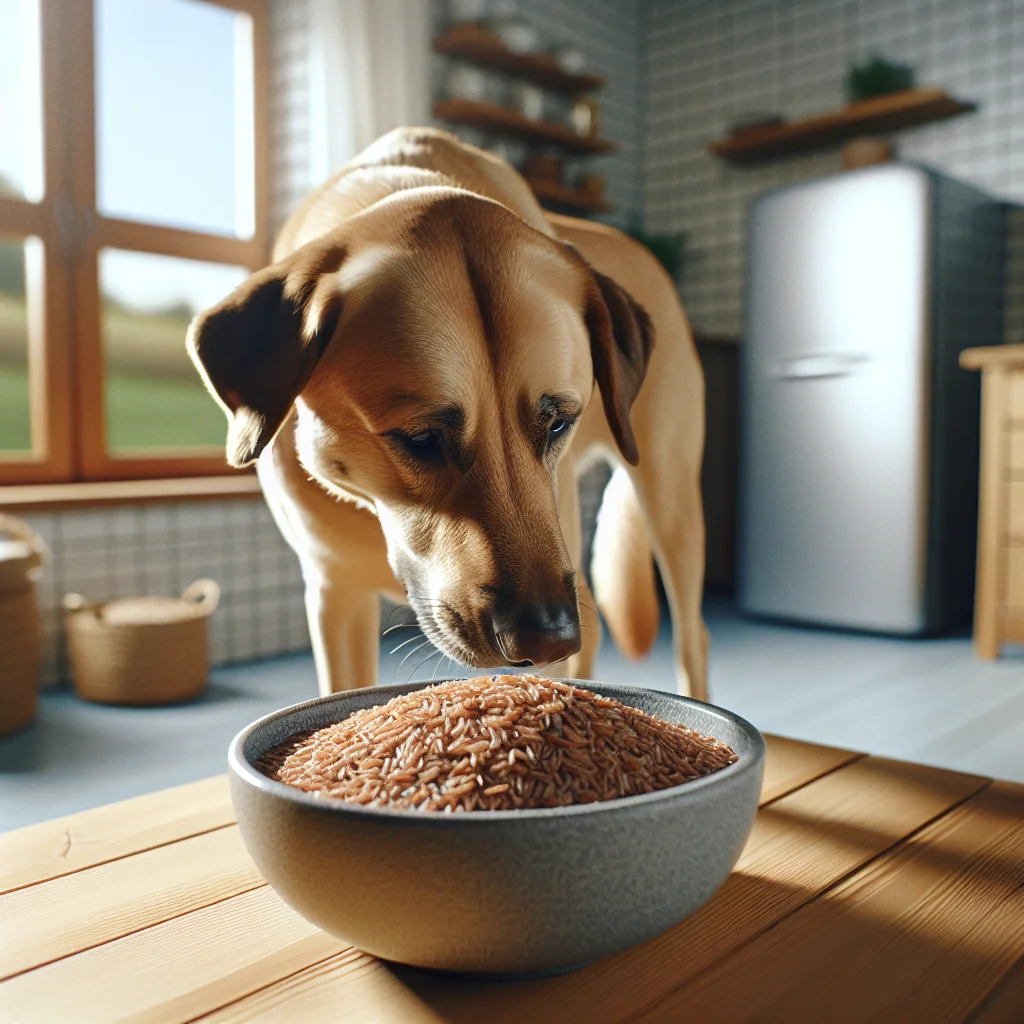
Safe verdict: Brown rice is indeed safe for dogs to consume. Unlike foods that contain harmful substances like theobromine in chocolate or allium compounds in garlic, brown rice is free from any toxic components for dogs. It serves as a carbohydrate source and is a great alternative to white rice, offering additional nutrients including fiber and essential minerals.
Is Brown Rice Good for Dogs?
Brown rice is a beneficial addition to your dog's diet. It provides essential carbohydrates needed for energy, as well as fiber, which aids in digestion. The presence of vitamins and minerals such as B vitamins, magnesium, and iron further supports overall canine health. Unlike refined grains, brown rice retains its outer layer, known as the bran, which holds most of its nutritional value. Introducing brown rice can help maintain your dog's weight and improve their gut health. However, be sure to serve it cooked and in moderate amounts.
How Much Brown Rice Should I Feed My Dog?
The amount of brown rice to feed your dog depends on their size, age, and activity level. As a general guideline, brown rice should not exceed 10% of your dog's daily calorie intake. For smaller dogs, a tablespoon or two mixed with their regular food is sufficient, while larger dogs can handle up to half a cup. Always ensure the rice is fully cooked and cooled before serving to prevent any digestive issues. Consult your veterinarian for personalized advice based on your dog's specific needs.
Can Brown Rice Cause Allergies in Dogs?
While brown rice is generally hypoallergenic, it's still possible for dogs to develop food sensitivities. If your dog has an allergy to grains, they may exhibit symptoms such as itching, skin rashes, or gastrointestinal upset. If any of these occur after introducing brown rice, discontinue use and consult with a veterinarian. It's always wise to introduce new foods gradually and monitor your dog's reaction.
What Are the Benefits of Brown Rice for Dogs?
Incorporating brown rice into your dog's diet can have multiple benefits. Its high fiber content promotes healthy digestion, reducing the risk of constipation or diarrhea. The complex carbohydrates provide sustained energy, perfect for active dogs. Moreover, brown rice is rich in antioxidants and essential nutrients that support heart health and metabolic function. As part of a balanced diet, brown rice can contribute to a shiny coat and healthy skin.
Should I Choose Brown Rice Over White Rice for My Dog?
Brown rice is often considered superior to white rice due to its higher nutritional content. While both are digestible carbohydrate sources, brown rice offers more vitamins, minerals, and fiber, which can help maintain your dog's health. However, white rice can be beneficial in certain situations, such as when a dog is experiencing gastrointestinal distress, due to its blandness and easier digestibility. Evaluate your dog's specific dietary needs and consult with a vet to make the best choice.
Toxicity Levels
| Type | Amount | Risk |
|---|---|---|
| Raw Brown Rice | Any | High |
| Cooked Brown Rice | Small | Low |
| Cooked Brown Rice | Moderate | Low |
| Cooked Brown Rice | Large | Moderate |
| Brown Rice with Seasoning | Any | High |
Symptoms to Watch For
- Vomiting
- Diarrhea
- Itching
- Skin Rash
- Bloating
Frequently Asked Questions
Can puppies eat brown rice?
Is brown rice better than white rice for dogs?
Can brown rice help with my dog's weight management?
How should I prepare brown rice for my dog?
Can brown rice cause diarrhea in dogs?