If you suspect your pet has ingested this food, do not wait for symptoms. Contact your veterinarian immediately.
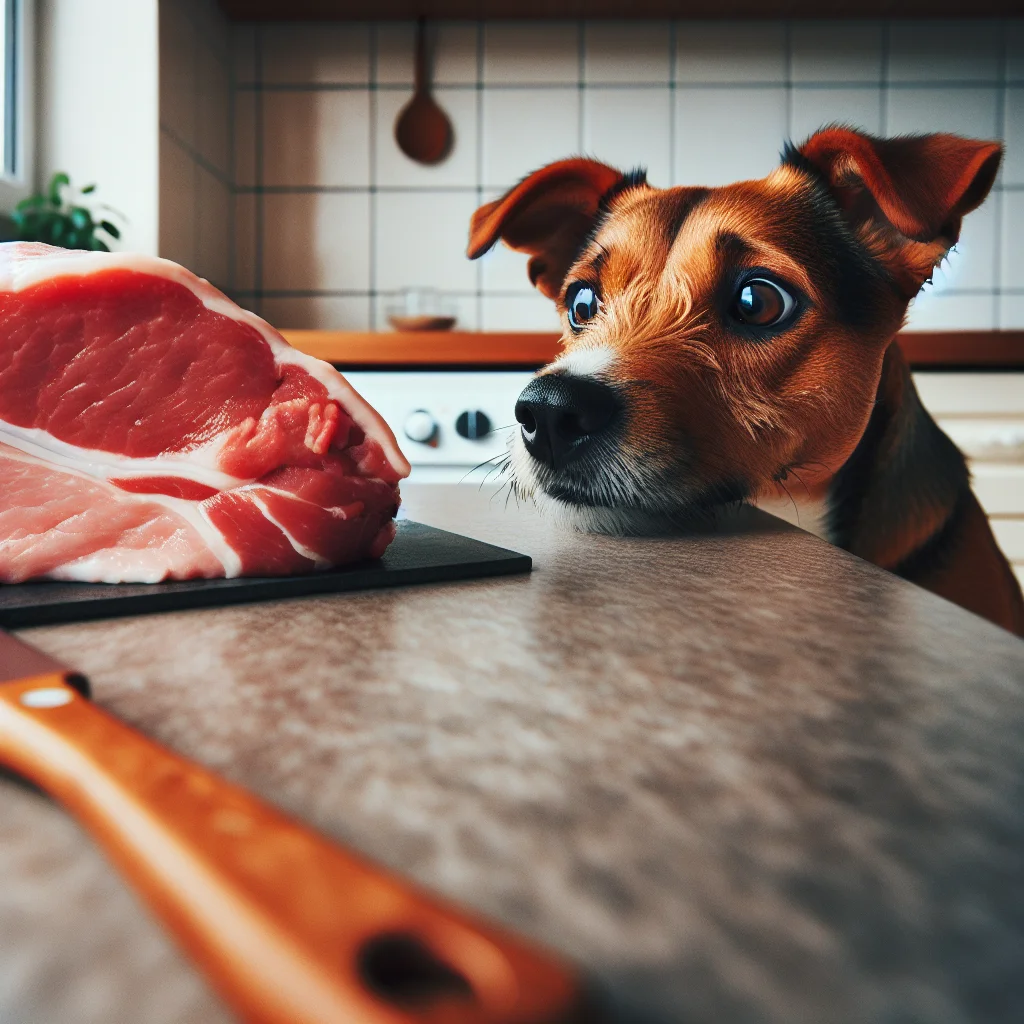
Raw pork is not safe for dogs due to the potential presence of harmful pathogens such as Trichinella spiralis, a parasitic worm that can cause trichinosis, and bacteria like Salmonella and Listeria. These pathogens can lead to serious health issues in dogs, including gastrointestinal distress and other systemic infections. Understanding these risks is crucial for dog owners considering a raw diet for their pets.
What are the risks of feeding raw pork to dogs?
Feeding raw pork to dogs poses several risks, primarily due to the potential presence of harmful pathogens. Trichinella spiralis, a parasitic worm, can lead to trichinosis, a disease that causes symptoms such as vomiting, diarrhea, and muscle pain. Additionally, raw pork can harbor bacteria like Salmonella and Listeria, which can cause severe gastrointestinal distress. These bacteria can also be transmitted to humans, posing a public health risk. It is essential to handle raw pork with care and cook it thoroughly to eliminate these pathogens.
How can I safely include pork in my dog's diet?
To safely include pork in your dog's diet, it is crucial to cook the meat thoroughly to an internal temperature of at least 145°F (63°C) to kill any harmful pathogens. Avoid seasoning the pork, as certain spices and additives can be toxic to dogs. If you choose to feed pork as a regular part of your dog's diet, consult with a veterinarian or a canine nutritionist to ensure it meets your dog's nutritional needs without compromising their health.
What are the symptoms of trichinosis in dogs?
Symptoms of trichinosis in dogs can vary in severity but often include vomiting, diarrhea, muscle pain, fever, and lethargy. In severe cases, it can lead to more serious systemic infections. Early detection and treatment are vital to prevent complications. If you suspect your dog has consumed raw pork and is exhibiting these symptoms, seek veterinary care immediately. Your veterinarian may recommend a combination of medications to treat the infection and alleviate symptoms.
Are there any safe alternatives to raw pork for dogs?
There are several safe alternatives to raw pork for dogs. Cooked pork, without seasoning or additives, can be a safe option. Other meats such as chicken, turkey, and beef are also popular choices for dog diets. If you prefer a raw diet, consider commercially prepared raw dog food that has been tested for pathogens. These products often undergo rigorous safety checks to ensure they are free from harmful bacteria and parasites.
How do I prevent contamination when handling raw pork?
Preventing contamination when handling raw pork is crucial to protect both your dog and your household. Always wash your hands thoroughly with soap and water after handling raw meat. Clean and disinfect any surfaces or utensils that come into contact with the raw pork. Consider using separate cutting boards for raw meat and other foods. By following these precautions, you can reduce the risk of spreading harmful bacteria and ensure a safe environment for your dog and family.
Toxicity Levels
| Type | Amount | Risk |
|---|---|---|
| Raw Pork | Any | High |
| Cooked Pork | Moderate | Low |
| Seasoned Pork | Any | Medium |
| Pork Bones | Any | High |
| Pork Fat | High | Medium |
| Commercial Raw Diet | Moderate | Low |
| Processed Pork | Any | High |
Symptoms to Watch For
- Vomiting
- Diarrhea
- Muscle Pain
- Fever
- Lethargy
Frequently Asked Questions
Can raw pork cause allergies in dogs?
Is cooked pork safe for dogs?
What should I do if my dog ate raw pork?
Can dogs transmit trichinosis to humans?
Is raw pork ever safe for dogs?