
If you suspect your pet has ingested this food, do not wait for symptoms. Contact your veterinarian immediately.
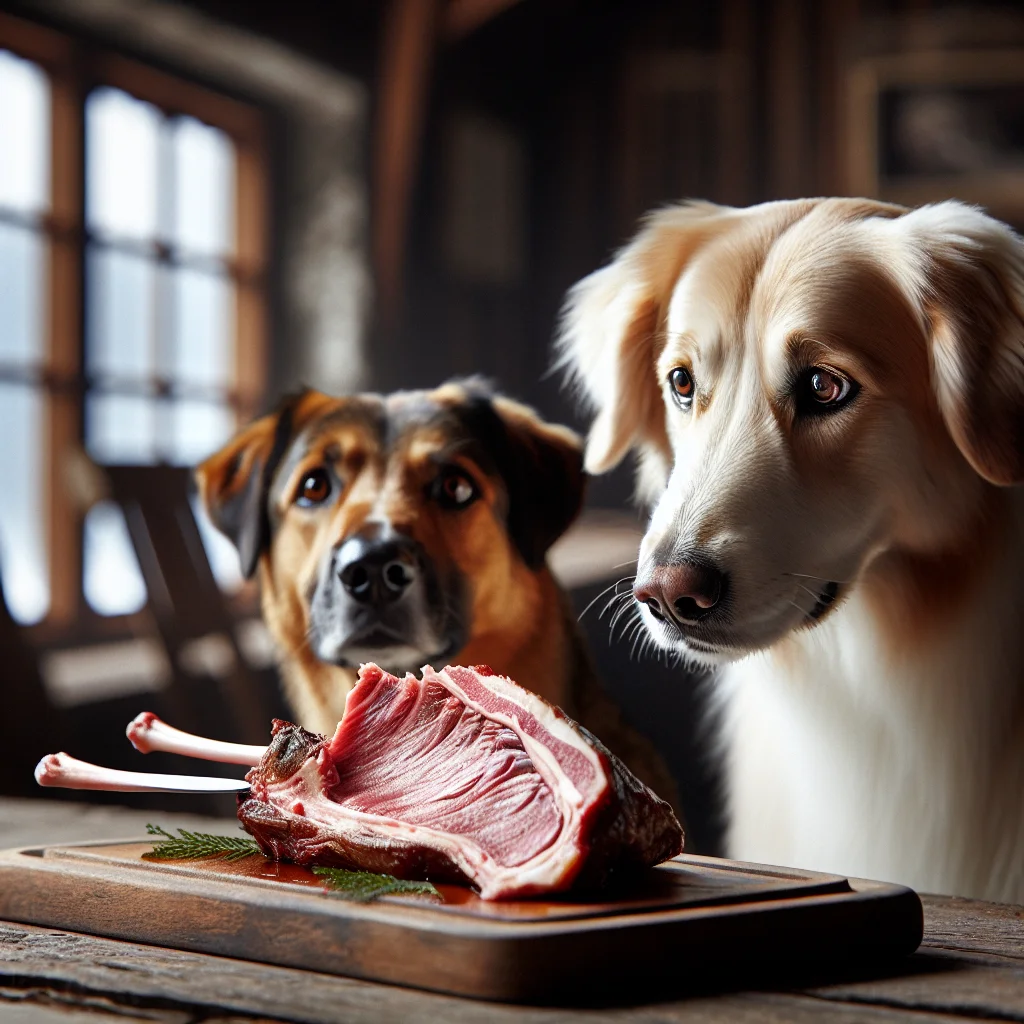
Lamb is generally safe for dogs, but caution should be exercised due to potential allergens and the risk of obesity from high-fat content. Lamb is rich in protein, essential for muscle development, but not all dogs digest it well. Introducing lamb to your dog's diet requires careful observation for allergic reactions and moderation to prevent weight gain.
Is Lamb Good for Dogs?
Lamb offers several nutritional benefits for dogs, including high-quality protein and essential amino acids vital for growth and maintenance. It also provides a good source of zinc and vitamin B12, which support immune function and cellular metabolism, respectively. However, lamb is also high in fat, which can contribute to obesity if fed in large quantities, especially to inactive dogs. Therefore, lamb should be a part of a balanced diet, complementing other protein sources to ensure dietary variety.
Can Lamb Cause Allergies in Dogs?
While lamb can be a suitable protein alternative for dogs with chicken or beef allergies, it can also become an allergen. Symptoms of a lamb allergy include itching, ear infections, and gastrointestinal upset. If you suspect an allergy, consult a veterinarian for an elimination diet to confirm the allergen. Gradually introducing lamb and monitoring for adverse reactions can prevent allergy development.
How Much Lamb Can a Dog Safely Eat?
The amount of lamb a dog can safely consume depends on its size, age, and activity level. Generally, treats and non-essential foods like lamb should not exceed 10% of your dog's daily caloric intake. For a small dog, this might mean just a few pieces, while larger dogs might tolerate more. Always consider lamb as a supplement to a complete diet rather than a primary food source.
What Are the Risks of Feeding Lamb Bones?
Feeding lamb bones to dogs can be risky. Cooked bones tend to splinter, posing a choking hazard and risk of intestinal perforation. Raw bones are safer but require supervision to avoid dental fractures. If you decide to give bones as a treat, ensure they are size-appropriate and observe your dog during consumption to prevent accidents.
How to Prepare Lamb Safely for Dogs?
To safely prepare lamb for dogs, it should be cooked thoroughly to eliminate harmful bacteria. Avoid adding seasonings, sauces, or oils, as these can be harmful to dogs. Trim excess fat to reduce the risk of obesity and pancreatitis. Serve lamb in small, manageable pieces to prevent choking and ensure easy digestion.
Toxicity Levels
| Type | Amount | Risk |
|---|---|---|
| Raw Lamb | High | Bacterial Infection |
| Cooked Lamb | Moderate | Obesity |
| Lamb Bones | High | Choking Hazard |
| Lamb Fat | High | Pancreatitis |
| Seasoned Lamb | High | Toxicity |
Symptoms to Watch For
- Vomiting
- Diarrhea
- Itching
- Ear Infections
- Lethargy
Frequently Asked Questions
Can lamb upset a dog's stomach?
Is lamb better than chicken for dogs?
Can puppies eat lamb?
What should I do if my dog shows signs of an allergy?
Are there any lamb-based dog foods?