
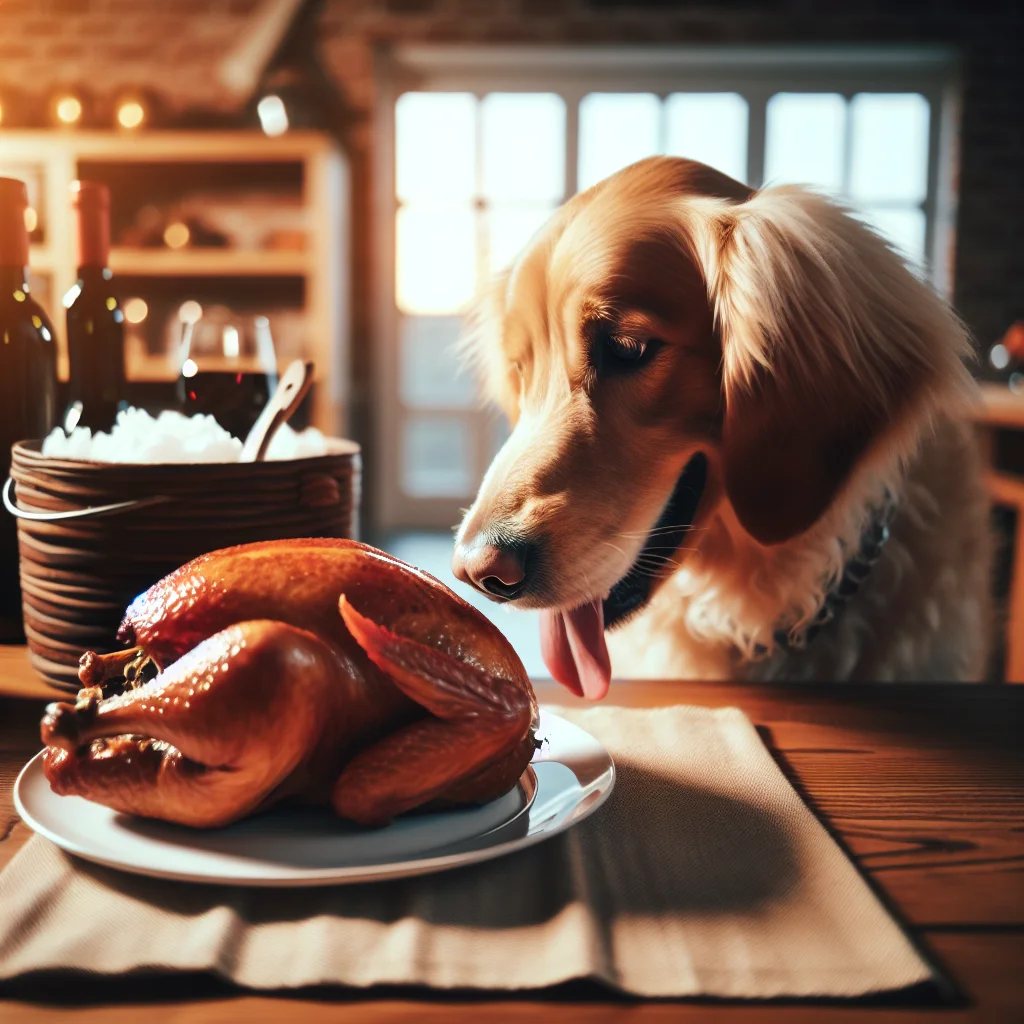
Safe! Turkey is a safe and nutritious option for your dog, provided it is prepared correctly. Unlike some foods that contain harmful toxins or substances, turkey is free from these, making it a delightful treat for your canine friend. However, there are essential considerations to ensure it remains beneficial.
Can Dogs Eat Turkey Every Day?
While turkey is safe, feeding it to your dog daily is not recommended. Moderation is key to maintaining a balanced diet. Excessive intake of turkey can lead to an imbalance in nutrients. Dogs require a diverse diet to meet their nutritional needs, including proteins, fats, vitamins, and minerals. Turkey should be a part of a varied diet that includes other protein sources, fruits, and vegetables. If you're considering incorporating turkey regularly, consult your veterinarian to ensure it complements your dog's dietary requirements.
How Should Turkey Be Prepared for Dogs?
Preparation is crucial when offering turkey to your dog. Plain, cooked turkey without any seasoning, salt, or additives is the best option. Avoid turkey that has been prepared with garlic, onions, or other spices, as these can be harmful to dogs. Remove all bones to prevent choking hazards or digestive tract injuries. Turkey skin should also be avoided due to its high-fat content, which can cause gastrointestinal upset or pancreatitis in dogs.
What Are the Benefits of Turkey for Dogs?
Turkey is an excellent source of protein, essential for building and repairing tissues in dogs. It also provides vitamins B6 and B12, niacin, and selenium, which support various bodily functions, including metabolism and immune health. Additionally, turkey is lower in fat compared to other meats, making it a lean protein choice. Including turkey in your dog's diet can help maintain muscle mass, energy levels, and overall health, provided it's served in moderation.
Are There Any Risks Associated with Feeding Turkey to Dogs?
Although turkey is generally safe, there are potential risks if not served correctly. Bones can splinter and cause injuries, while excessive fat from the skin may lead to pancreatitis. Some dogs may also have allergies to turkey, though this is less common. Watch for signs of allergies such as itching, vomiting, or diarrhea. Always introduce new foods gradually and monitor your dog for adverse reactions. If any symptoms occur, discontinue feeding turkey and consult your veterinarian.
How Much Turkey Can Dogs Safely Consume?
The amount of turkey a dog can safely consume depends on its size, age, and overall health. As a general guideline, turkey should constitute no more than 10% of your dog's daily caloric intake. For small breeds, a few pieces of cooked turkey meat suffice, while larger breeds may enjoy a more generous portion. Always ensure turkey is a part of a balanced diet. For specific dietary advice, particularly for dogs with health concerns, consult a veterinarian.
Toxicity Levels
| Type | Amount | Risk |
|---|---|---|
| Plain Cooked Turkey | Moderate | Low |
| Turkey with Bones | Any | High |
| Turkey Skin | Large | Moderate |
| Seasoned Turkey | Any | High |
| Turkey Deli Meat | Large | Moderate |
Symptoms to Watch For
- Itching
- Vomiting
- Diarrhea
- Lethargy
- Gas
Frequently Asked Questions
Is turkey good for dogs?
Can turkey cause allergies in dogs?
Can dogs eat turkey skin?
How do I introduce turkey to my dog's diet?
Can puppies eat turkey?