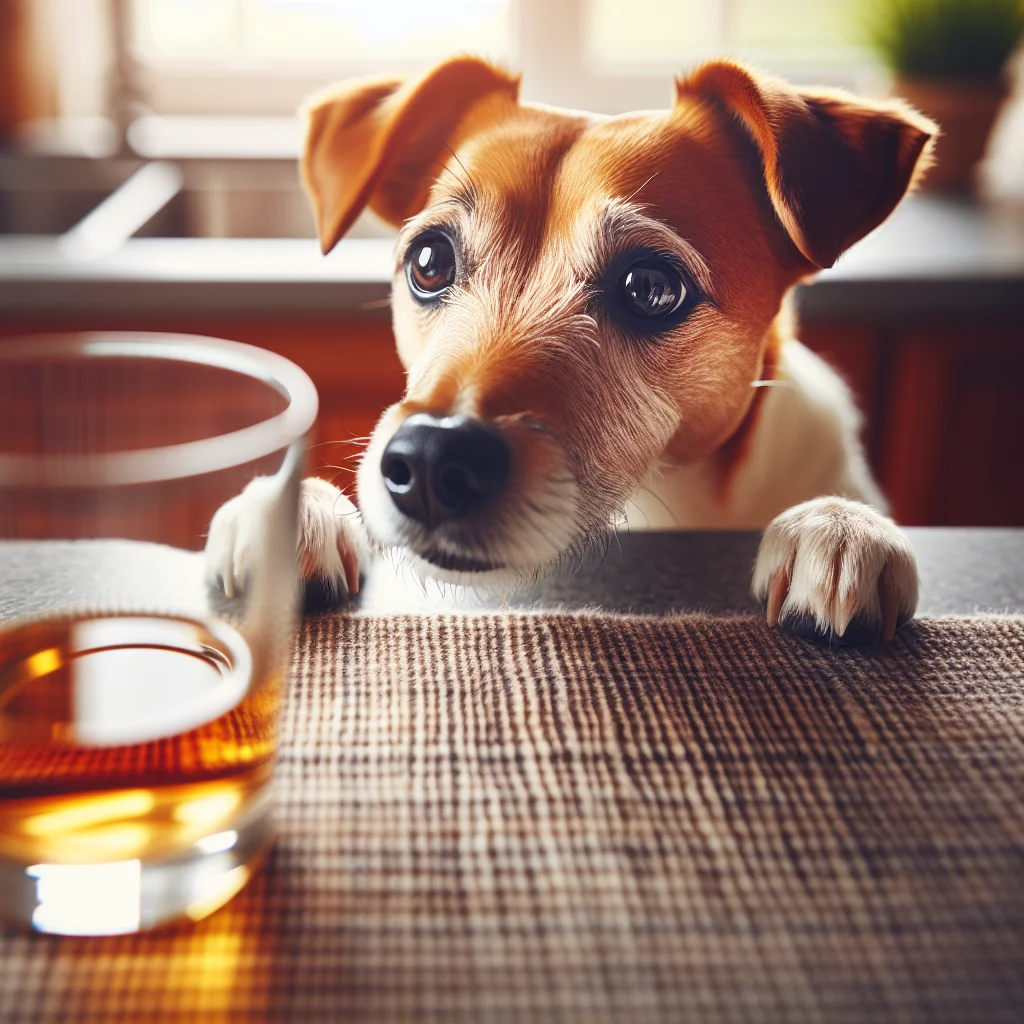
If you suspect your pet has ingested this food, do not wait for symptoms. Contact your veterinarian immediately.
Toxic Alert: Alcohol is undeniably toxic to dogs. Even small amounts can cause severe health issues. Ethanol, the primary toxin in alcohol, depresses the central nervous system, leading to a range of dangerous symptoms. Dogs metabolize ethanol differently than humans, making it a potent threat even in minimal quantities. Immediate veterinary attention is crucial if ingestion is suspected.
What happens if a dog ingests alcohol?
When a dog ingests alcohol, their central nervous system is rapidly affected. Ethanol, the active intoxicant in alcoholic beverages, is absorbed quickly into the bloodstream. This can lead to symptoms like vomiting, loss of coordination, disorientation, and in severe cases, seizures or coma. The smaller the dog, the greater the risk, as their bodies are less capable of processing the toxin. Immediate veterinary care is essential to prevent life-threatening complications.
How much alcohol is dangerous for a dog?
No amount of alcohol is safe for dogs. Even a small sip can be hazardous, particularly in smaller breeds. The toxic dose of ethanol is approximately 5.5 to 7.9 grams per kilogram of body weight. This means even a small amount of beer, wine, or spirits can lead to serious health issues. If a dog consumes alcohol, it is crucial to monitor for symptoms such as vomiting, lethargy, and uncoordinated movements, and to seek veterinary assistance immediately.
What are the symptoms of alcohol poisoning in dogs?
Alcohol poisoning in dogs manifests quickly. Symptoms include vomiting, diarrhea, decreased coordination, central nervous system depression, difficulty breathing, tremors, and seizures. In severe cases, dogs may experience hypothermia, arrhythmias, or even coma. It's vital to act swiftly if you observe any of these symptoms in your pet. Contact your veterinarian or an emergency animal clinic without delay.
Can dogs recover from alcohol poisoning?
With prompt and appropriate treatment, dogs can recover from alcohol poisoning. The key is early intervention. Treatment often involves hospitalization, where the dog can be monitored and supported with IV fluids, medications to control seizures, and other supportive care as needed. The prognosis is generally good if treatment is initiated quickly. However, delays in treatment can lead to permanent damage or even be fatal.
Why is alcohol more dangerous for dogs than humans?
Dogs are more susceptible to alcohol's effects due to their smaller size and different metabolic processes. Unlike humans, dogs lack the enzymes necessary to effectively metabolize ethanol. This means alcohol remains in their system longer, increasing toxicity. Additionally, dogs are naturally curious and may consume alcohol without realizing the hazard, making it imperative for owners to be vigilant. Always keep alcoholic beverages out of reach to prevent accidental ingestion.
Toxicity Levels
| Type | Amount | Risk |
|---|---|---|
| Beer | Small sip | High |
| Wine | Small sip | Very High |
| Spirits | Tiny amount | Extremely High |
| Cocktails | Small sip | Very High |
| Liquor | Tiny amount | Extremely High |
Symptoms to Watch For
- Vomiting
- Disorientation
- Increased heart rate
- Tremors
- Lethargy
Frequently Asked Questions
Can dogs have a small amount of alcohol?
What should I do if my dog accidentally drinks alcohol?
Are certain types of alcohol more dangerous than others?
How long does it take for alcohol to affect a dog?
Can alcohol poisoning in dogs be fatal?