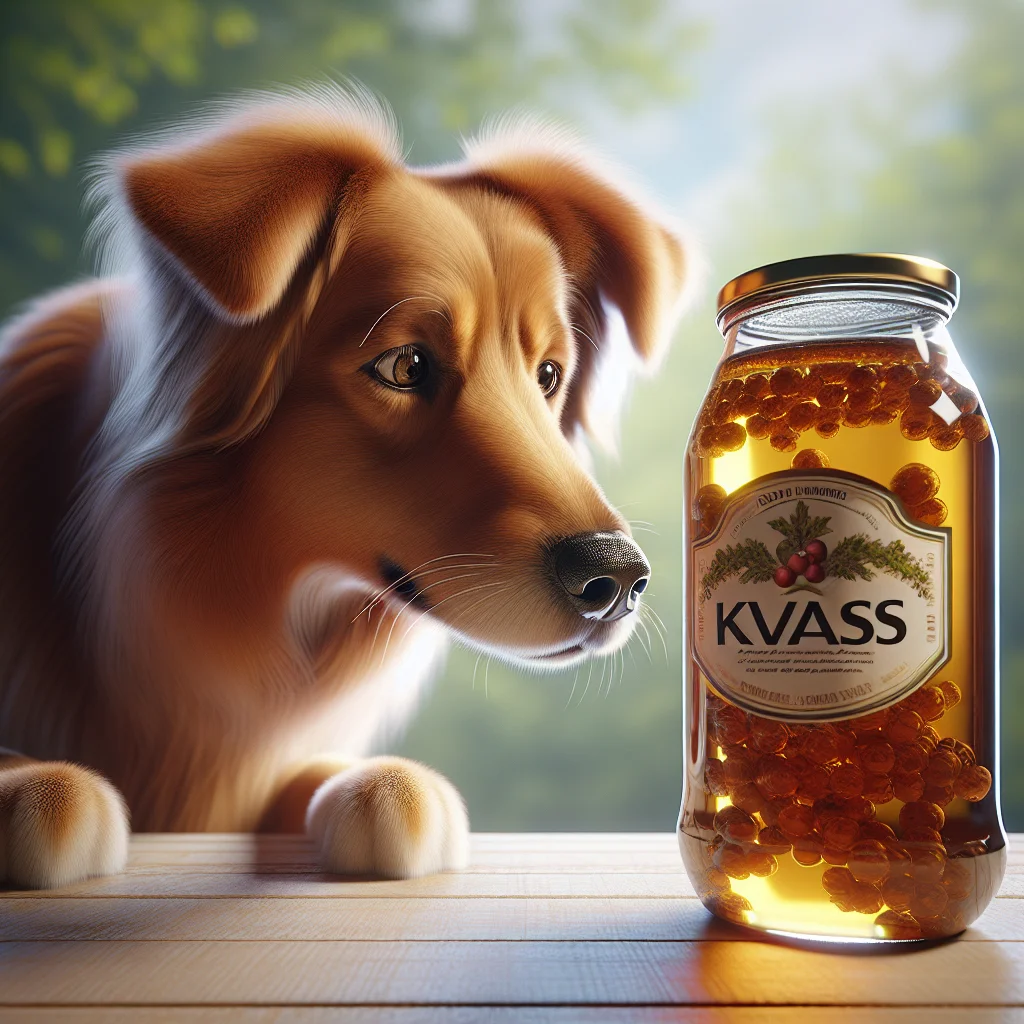
If you suspect your pet has ingested this food, do not wait for symptoms. Contact your veterinarian immediately.
Toxic: Kvass consumption is not recommended for dogs due to its alcohol content. The fermentation process in kvass, a traditional Slavic beverage made from rye bread, leads to the presence of alcohol, which can be harmful to dogs. Dogs metabolize alcohol differently than humans, and even small amounts can cause ethanol toxicity. This can result in a range of symptoms from mild discomfort to severe health issues. It’s crucial to be aware of what your pet consumes and to keep kvass out of reach.
Why is Kvass Harmful to Dogs?
The primary concern with kvass is its alcohol content. Though the levels are low compared to other alcoholic beverages, dogs are much more sensitive to ethanol. Alcohol can interfere with their nervous system, leading to symptoms such as disorientation, lethargy, and even seizures in severe cases. The fermentation process, which makes kvass slightly tangy and refreshing for humans, poses a significant risk to dogs as their bodies cannot process alcohol efficiently.
What Are the Symptoms of Alcohol Poisoning in Dogs?
If your dog accidentally ingests kvass, you might observe symptoms such as vomiting, diarrhea, loss of coordination, and excessive drooling. In more severe cases, there may be difficulty breathing, tremors, or an abnormally slow heart rate. These symptoms can appear within 30 minutes to an hour after ingestion, depending on the dog's size and the amount consumed. Immediate veterinary attention is crucial to manage and mitigate the effects of alcohol poisoning.
How Much Kvass is Dangerous for Dogs?
Even small sips of kvass can be problematic. The exact amount that can cause toxicity varies depending on the dog’s size, age, and overall health. Generally, smaller dogs are at greater risk with less alcohol. A large breed might handle a small sip without severe consequences, but for a small breed, even a small amount could be dangerous. To ensure your pet’s safety, it’s best to prevent any consumption of kvass altogether.
What Should I Do If My Dog Drinks Kvass?
In the event that your dog consumes kvass, monitor them closely for any signs of distress or abnormal behavior. Contact your veterinarian immediately to discuss the best course of action. Do not attempt to induce vomiting unless instructed by a veterinary professional. Providing supportive care and ensuring your pet stays hydrated can help manage the situation until professional help is received.
Are There Safe Alternatives to Kvass for Dogs?
If you want to share a beverage with your dog, consider pet-safe options like specially formulated dog beers or broths. These alternatives are alcohol-free and designed to be safe and enjoyable for dogs. Always ensure that any treat or drink you offer is appropriate for canine consumption, and consult with your vet if you are unsure about any new additions to your pet’s diet.
Toxicity Levels
| Type | Amount | Risk |
|---|---|---|
| Small sip | 5-10ml | Moderate |
| Moderate sip | 10-30ml | High |
| Large sip | 30-50ml | Severe |
| Cup | 50-100ml | Very Severe |
| Multiple sips | Over 100ml | Critical |
Symptoms to Watch For
- Vomiting
- Diarrhea
- Loss of coordination
- Excessive drooling
- Difficulty breathing
Frequently Asked Questions
Can a small amount of kvass harm my dog?
What should I do if my dog shows symptoms of alcohol poisoning?
Are there any pet-safe beverages I can give my dog?
How can I prevent my dog from accidentally ingesting kvass?
Is kvass more dangerous for certain breeds of dogs?