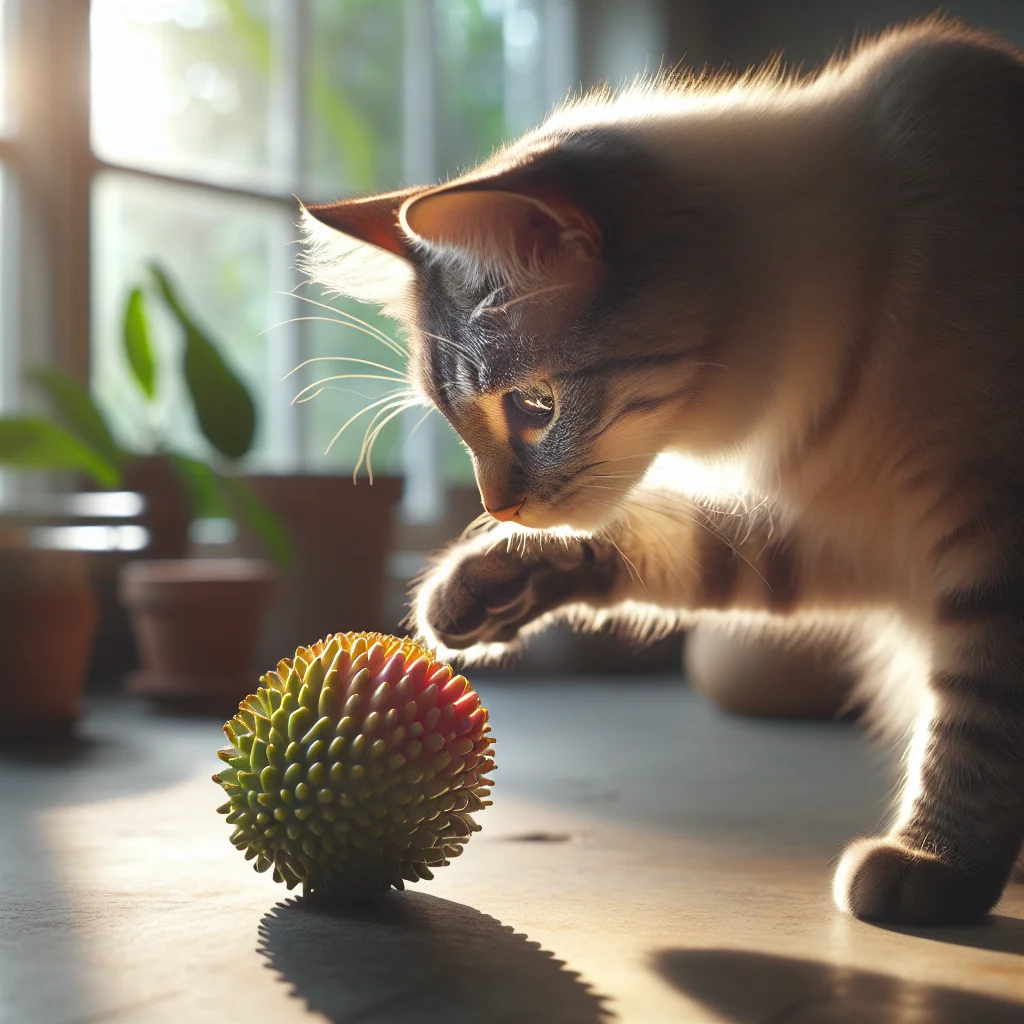
If you suspect your pet has ingested this food, do not wait for symptoms. Contact your veterinarian immediately.
Miracle Fruit, known scientifically as Synsepalum dulcificum, is considered cautionary for cats. This fruit contains miraculin, a glycoprotein that alters taste perception, making sour foods taste sweet. While miraculin itself isn't toxic, the consumption of Miracle Fruit by cats could lead to digestive disturbances. Cats’ digestive systems are not equipped to handle the complex sugars and compounds found in this fruit, potentially resulting in gastrointestinal upset.
What Happens if a Cat Eats Miracle Fruit?
If a cat consumes Miracle Fruit, they may experience symptoms like drooling, vomiting, or diarrhea. The fruit’s high fiber content can be difficult for cats to digest, leading to discomfort. Cats might also show signs of lethargy due to the energy expended in processing the atypical compounds.
Are There Any Safe Amounts of Miracle Fruit for Cats?
There is no established safe amount of Miracle Fruit for cats. The safest approach is to avoid offering this fruit to your feline friends altogether. If accidental ingestion occurs, monitor your cat closely for any adverse reactions and consult your veterinarian for advice tailored to their specific health needs.
How Can I Tell If My Cat Is Having a Reaction to Miracle Fruit?
Signs of a negative reaction to Miracle Fruit in cats can include excessive salivation, vomiting, diarrhea, and a noticeable decrease in appetite. Behavioral changes such as hiding or reduced interaction with their environment can also indicate discomfort. Immediate veterinary consultation is recommended if these symptoms persist.
What Should I Do If My Cat Shows Symptoms of Miracle Fruit Ingestion?
Should your cat display symptoms after ingesting Miracle Fruit, remove any remaining fruit and ensure they have access to fresh water. Monitor them for changes in behavior or appetite. Contact your veterinarian to discuss potential treatments, which may include supportive care and hydration.
Why Do Cats React Differently to Miracle Fruit Than Humans?
Cats have a unique metabolism that differs significantly from humans. Their digestive systems are adapted to process animal proteins rather than plant-based compounds. Miracle Fruit’s miraculin can cause unexpected reactions in cats, as their bodies are not designed to metabolize such substances.
Toxicity Levels
| Type | Amount | Risk |
|---|---|---|
| Small Amount | 1-2 berries | Mild GI upset |
| Moderate Amount | 3-5 berries | Gastrointestinal distress |
| Large Amount | 5+ berries | Severe digestive issues |
Symptoms to Watch For
- Vomiting
- Excessive Salivation
- Diarrhea
- Lethargy
- Loss of Appetite
Frequently Asked Questions
Can Miracle Fruit be toxic to cats?
What are the signs of Miracle Fruit ingestion in cats?
Is there an antidote for Miracle Fruit ingestion in cats?
Why should cats avoid Miracle Fruit?
What should I do if my cat accidentally eats Miracle Fruit?