
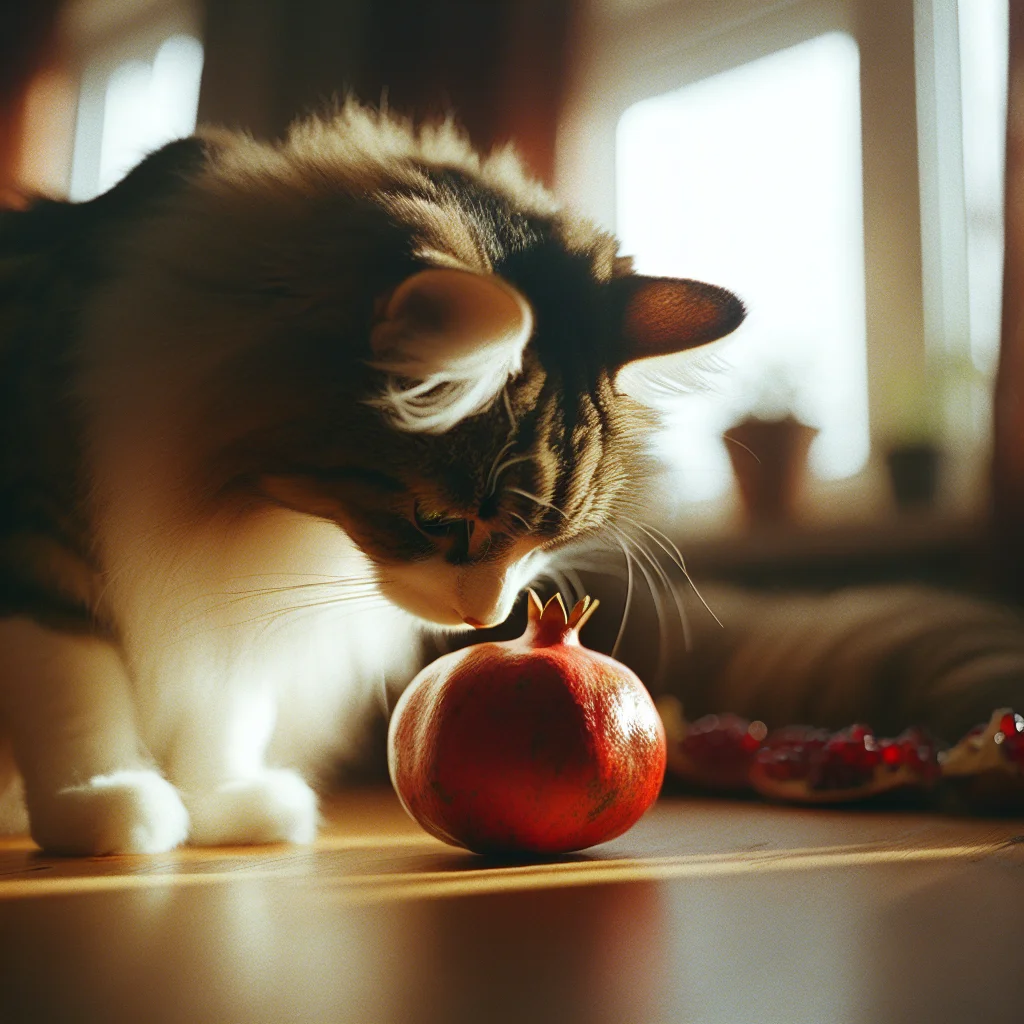
If you suspect your pet has ingested this food, do not wait for symptoms. Contact your veterinarian immediately.
Toxic: Pomegranates, though nutritious for humans, are not recommended for cats. The primary concern lies in the seeds, which contain certain compounds that may not be toxic in small quantities but can cause gastrointestinal upset in felines. Cats' digestive systems are not equipped to handle the tannins and high acidity found in pomegranates, potentially leading to vomiting and diarrhea.
What Happens If a Cat Eats Pomegranate?
When a cat ingests pomegranate, it may experience a range of digestive issues due to the fruit's high acidity and tannin content. While a small amount might not pose a severe threat, larger quantities can lead to more pronounced symptoms. The seeds are particularly problematic, as they can be difficult for cats to digest, leading to potential blockages or irritations in the digestive tract. Pet owners should monitor their cat closely for any signs of discomfort or distress.
Are Pomegranate Seeds Safe for Cats?
Pomegranate seeds are not safe for cats due to their potential to cause digestive upset. The seeds are hard and can lead to mechanical irritation in the gastrointestinal tract. Additionally, cats lack the necessary enzymes to break down the seeds properly, increasing the risk of gastrointestinal issues. If your cat consumes pomegranate seeds, it is advisable to consult with a veterinarian, especially if they display symptoms like vomiting or diarrhea.
How Much Pomegranate Is Harmful to Cats?
The exact amount of pomegranate that can cause harm to cats varies depending on the individual cat's size, age, and health. However, even small amounts can lead to mild gastrointestinal upset. It's crucial to prevent cats from accessing pomegranates, especially the seeds, to avoid potential health risks. If your cat has ingested pomegranate, observe them closely for any adverse reactions and seek veterinary advice if necessary.
What Are the Symptoms of Pomegranate Poisoning in Cats?
Symptoms of pomegranate ingestion in cats can vary but often include vomiting, diarrhea, and abdominal pain. In some cases, cats may show signs of lethargy or decreased appetite. If a cat exhibits any of these symptoms after consuming pomegranate, it is important to seek veterinary care promptly to address any potential complications.
Can Cats Drink Pomegranate Juice?
While pomegranate juice may seem like a safer alternative, it is not recommended for cats. The high sugar content and acidity can lead to digestive issues and potential long-term health problems. Cats are obligate carnivores, meaning their dietary needs are best met with animal-based proteins. Providing pomegranate juice can disrupt their nutritional balance and lead to unnecessary health risks.
Toxicity Levels
| Type | Amount | Risk |
|---|---|---|
| Pomegranate Seeds | Small | Mild |
| Pomegranate Seeds | Large | High |
| Pomegranate Juice | Small | Moderate |
| Pomegranate Juice | Large | High |
| Whole Pomegranate | Any | High |
Symptoms to Watch For
- Vomiting
- Diarrhea
- Lethargy
- Abdominal Pain
- Decreased Appetite
Frequently Asked Questions
Can cats eat pomegranate seeds?
Is pomegranate juice safe for my cat?
What should I do if my cat eats pomegranate?
Why are pomegranates bad for cats?
Are any parts of the pomegranate safe for cats?