If you suspect your pet has ingested this food, do not wait for symptoms. Contact your veterinarian immediately.
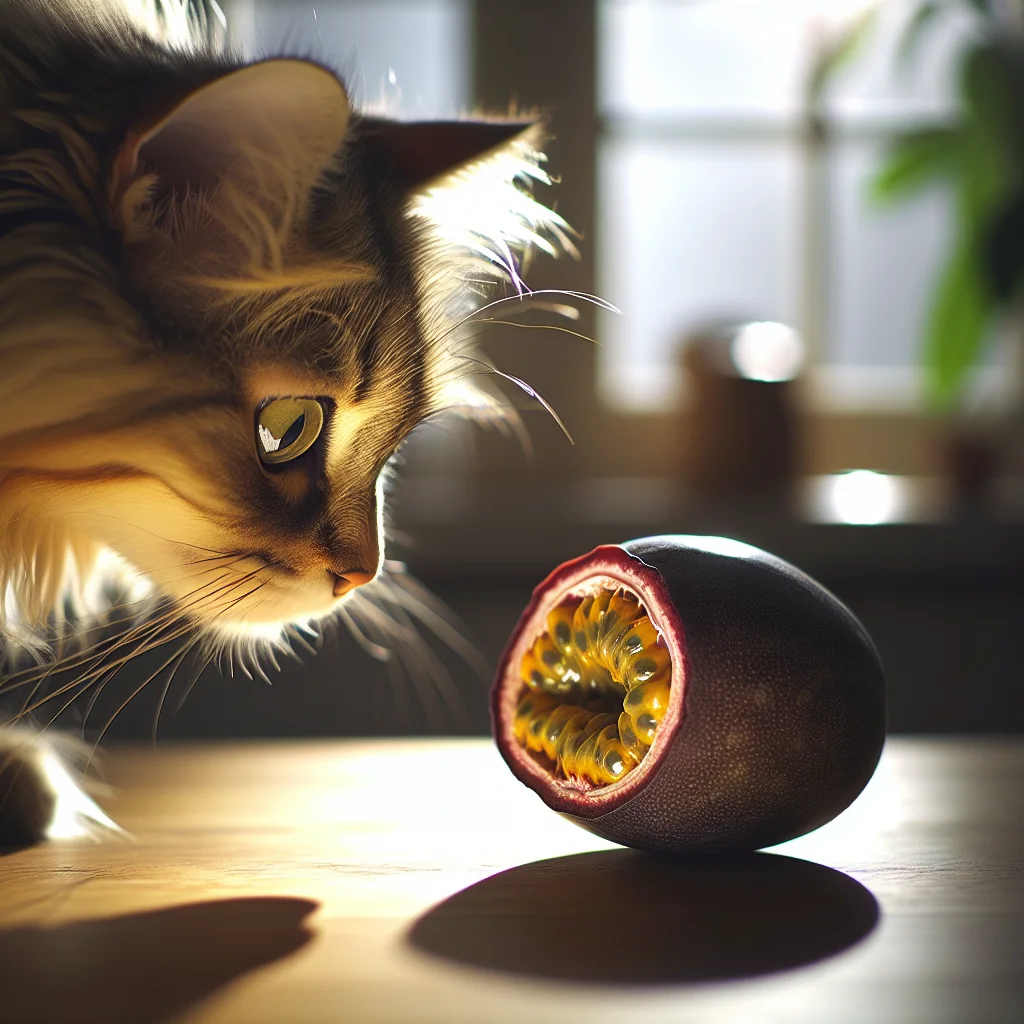
Maracuja, commonly known as passion fruit, is not recommended for cats. The seeds and rind contain cyanogenic glycosides, which release cyanide when metabolized. This can pose a serious risk to cats, who are more sensitive to these compounds than humans. Cats lack the necessary liver enzymes to process certain plant toxins, making maracuja particularly hazardous. Understanding the implications of feeding maracuja to cats helps in making informed dietary decisions for your feline friend.
What Happens If a Cat Eats Maracuja?
If a cat ingests maracuja, it may rapidly show signs of distress. The cyanogenic compounds can lead to acute cyanide poisoning, which affects the cat's ability to utilize oxygen efficiently. Symptoms can include difficulty breathing, seizures, and in severe cases, sudden death. Even small amounts can be harmful, so it's essential to prevent access to this fruit. If you suspect your cat has ingested maracuja, seek veterinary assistance immediately to mitigate the potential risks.
How Does Maracuja Affect a Cat's Health?
Maracuja impacts a cat's health by disrupting cellular respiration. Cyanide inhibits cytochrome oxidase, an enzyme crucial for cellular energy production. This inhibition leads to hypoxia at the cellular level, causing symptoms of cyanide poisoning. Cats are particularly vulnerable due to their small size and the fact that they lack certain detoxifying enzymes that humans and other animals have. Long-term health impacts can include neurological damage, so prevention is key.
Are There Safe Alternatives to Maracuja for Cats?
While maracuja is not safe for cats, there are other fruits that can be offered in moderation. Safe options include peeled and seedless watermelon, blueberries, and small amounts of apple (without seeds). These fruits provide hydration and some vitamins without the toxic risks associated with maracuja. Always introduce any new food gradually and observe your cat for any adverse reactions. Consulting with a veterinarian can provide further guidance on safe dietary choices for your cat.
What Should I Do If My Cat Accidentally Eats Maracuja?
In the event of accidental ingestion, monitor your cat closely for symptoms such as vomiting, diarrhea, difficulty breathing, or lethargy. Contact your veterinarian immediately, as early intervention is crucial. The veterinarian may induce vomiting or administer activated charcoal to limit absorption of the toxins. Keeping the fruit out of reach and educating others in your household about the risks can prevent future incidents.
Can Maracuja Be Used in Any Form for Cats?
No form of maracuja is safe for cats, whether fresh, dried, or as juice. The risk of cyanide poisoning remains regardless of how the fruit is prepared. It's crucial to avoid giving your cat any products that contain maracuja or its extracts. Instead, focus on foods specifically formulated for feline nutrition, which are balanced for their dietary needs and free from harmful substances.
Toxicity Levels
| Type | Amount | Risk |
|---|---|---|
| Fresh Maracuja | 1 teaspoon | High |
| Dried Maracuja | 1/2 teaspoon | High |
| Maracuja Juice | 10 ml | Moderate |
| Maracuja Seeds | 5 seeds | Very High |
| Maracuja Leaves | 1 leaf | High |
Symptoms to Watch For
- Vomiting
- Diarrhea
- Difficulty Breathing
- Lethargy
- Seizures
Frequently Asked Questions
Can a small amount of maracuja harm my cat?
What are the immediate signs of maracuja poisoning in cats?
Is there any safe way to give maracuja to my cat?
Why are cats more sensitive to maracuja than humans?
How can I prevent my cat from accessing maracuja?