If you suspect your pet has ingested this food, do not wait for symptoms. Contact your veterinarian immediately.
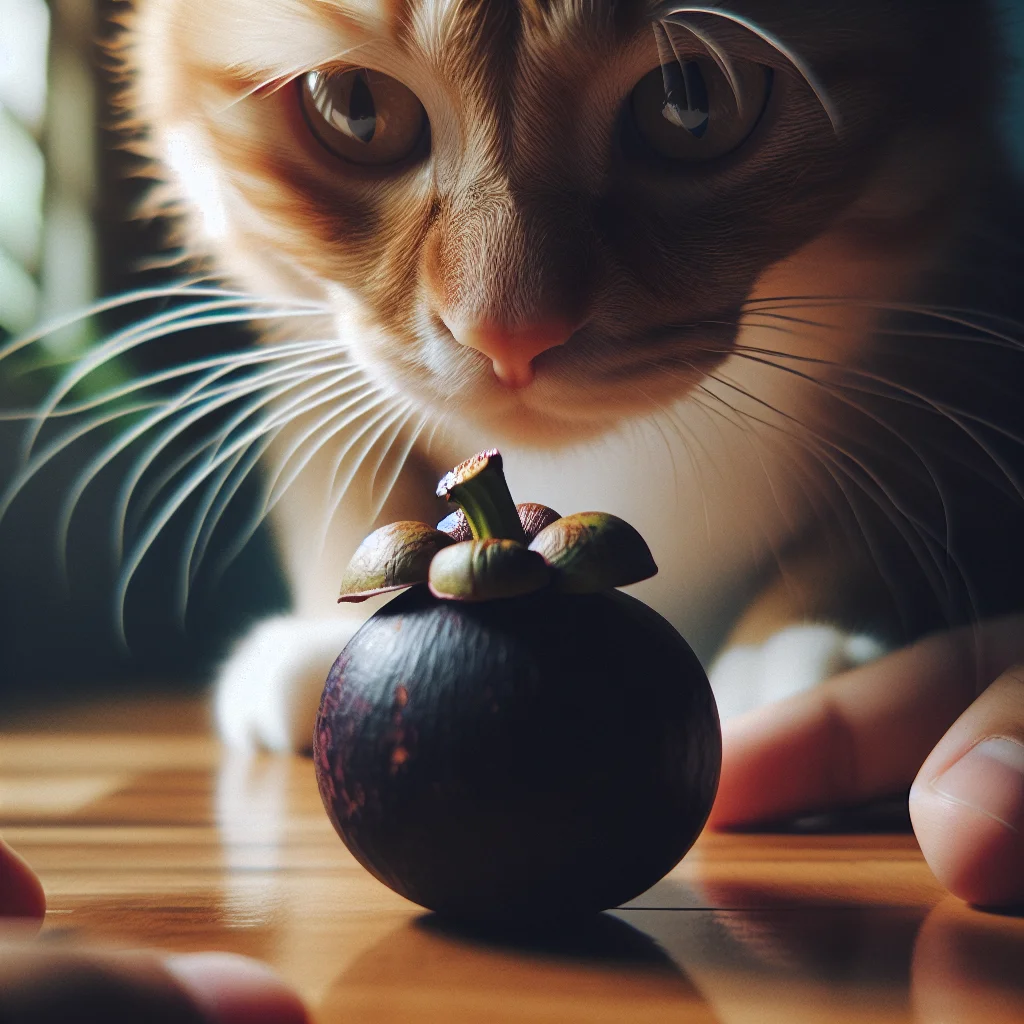
Mangosteen is toxic to cats. The fruit contains compounds like xanthones, which can be harmful to felines if ingested in significant amounts. These compounds can affect a cat's digestive system, leading to symptoms such as vomiting or diarrhea. Cats have a different metabolism compared to humans, making them more susceptible to the toxic effects of certain plant compounds.
What Happens if a Cat Eats Mangosteen?
If a cat consumes mangosteen, even in small quantities, it may experience gastrointestinal distress. Mangosteen's xanthones can irritate the stomach lining, causing vomiting or diarrhea. More severe cases might involve lethargy or loss of appetite. Cats lack the ability to process these compounds efficiently, which can lead to a buildup of toxins in their system.
How Can I Tell if My Cat is Suffering from Mangosteen Poisoning?
Observing your cat for signs of distress is crucial if you suspect mangosteen ingestion. Symptoms usually include vomiting, diarrhea, and abdominal pain. In some instances, you might notice your cat becoming unusually lethargic or refusing to eat. Quick intervention can prevent more severe symptoms from developing.
Is There a Safe Amount of Mangosteen for Cats?
There is no known safe amount of mangosteen for cats. Even small amounts can potentially lead to adverse reactions due to the presence of xanthones. Cats have a very different digestive system than humans and what is safe for us can be harmful to them. It's best to avoid giving mangosteen to cats entirely to prevent any risk of poisoning.
What Should I Do if My Cat Eats Mangosteen?
If your cat consumes mangosteen, monitor it closely for any signs of illness. Contact your veterinarian immediately if you notice symptoms such as vomiting, diarrhea, or lethargy. The vet may recommend inducing vomiting or providing activated charcoal to prevent further absorption of toxins. Early intervention is crucial to ensure your cat's safety.
Are There Alternatives to Mangosteen for Cats?
Yes, there are many safe fruits and treats that you can offer your cat instead of mangosteen. For example, small pieces of peeled apple or banana, or specially formulated cat treats are better options. Always introduce new foods gradually and in moderation, observing your cat for any adverse reactions.
Toxicity Levels
| Type | Amount | Risk |
|---|---|---|
| Mangosteen flesh | Small | Moderate |
| Mangosteen rind | Any | High |
| Whole mangosteen | Any | Severe |
| Mangosteen juice | Small | Moderate |
| Mangosteen seeds | Any | High |
Symptoms to Watch For
- Vomiting
- Diarrhea
- Lethargy
- Loss of Appetite
- Abdominal Pain
Frequently Asked Questions
Can cats digest mangosteen safely?
What should I do if my cat shows symptoms after eating mangosteen?
Are any parts of mangosteen safe for cats?
Why are xanthones harmful to cats?
What fruits are safe for cats to eat?