If you suspect your pet has ingested this food, do not wait for symptoms. Contact your veterinarian immediately.
Can Cats Eat Sunflower Seeds? A Cautious Approach
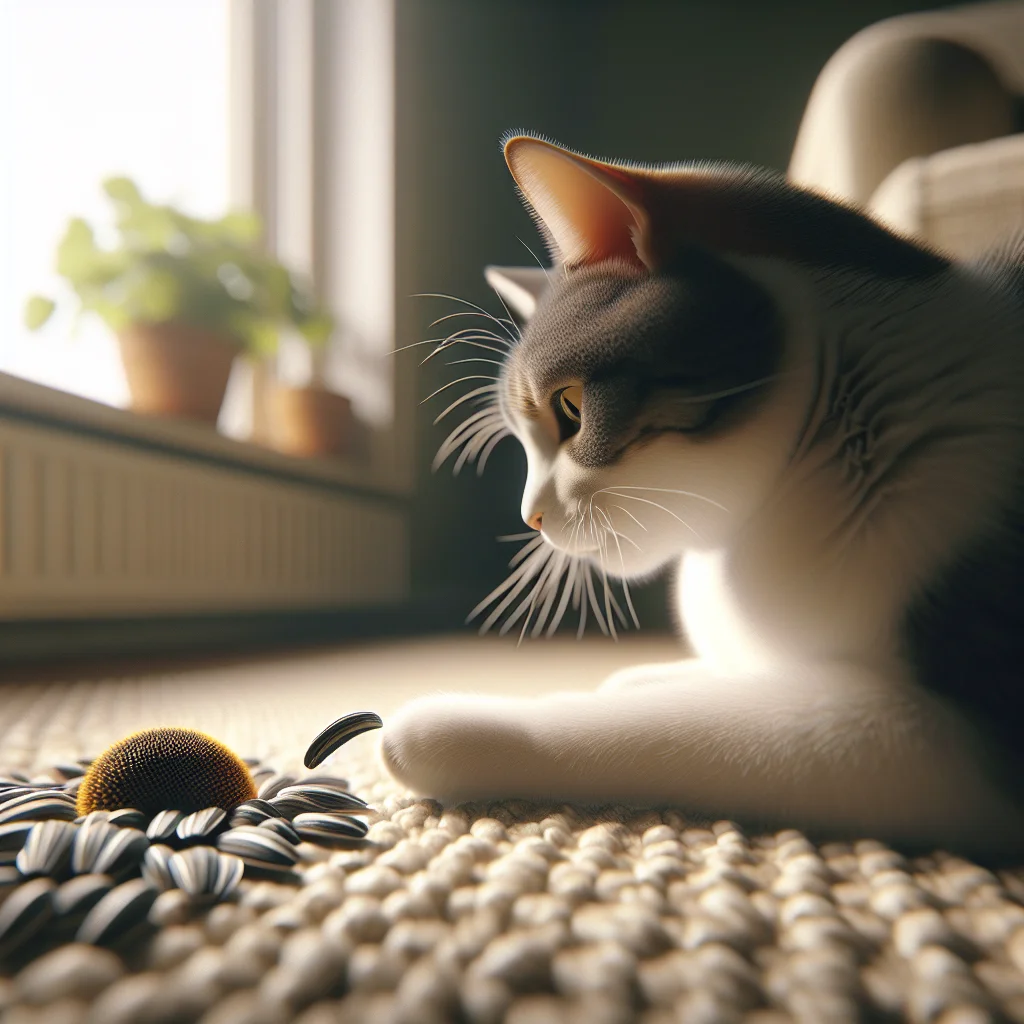
Sunflower seeds, when consumed by cats, should be approached with caution. While they are not inherently toxic, the potential for digestive upset and other complications warrants careful consideration. Cats can experience gastrointestinal distress if they ingest large quantities of sunflower seeds, primarily due to their high-fat content, which is not suitable for a feline's carnivorous diet. Furthermore, the hard outer shell can pose a choking hazard or lead to intestinal blockages. Therefore, if you choose to offer sunflower seeds to your cat, it should be done sparingly and without the shell.
Are Sunflower Seeds Safe for Cats?
While sunflower seeds themselves are not toxic to cats, their safety is not guaranteed. The seeds' high-fat content is the primary concern, as excessive fat can lead to pancreatitis, a potentially severe condition. Additionally, sunflower seeds often contain added salt or seasoning, which can be harmful to cats. Always opt for unsalted, plain sunflower seeds, and offer them in moderation, ensuring that the shell is removed to prevent any physical obstructions in your cat's digestive tract.
What Happens if a Cat Eats Sunflower Seeds?
If a cat consumes sunflower seeds, you may notice symptoms such as vomiting, diarrhea, or abdominal discomfort. These are signs of gastrointestinal upset due to the seeds' high-fat content or potential seasoning. In some cases, if the cat ingests the shells, it might lead to more severe issues like intestinal blockage, manifesting as a lack of appetite, lethargy, or persistent vomiting. If any of these symptoms occur, it is crucial to consult with a veterinarian promptly.
How Many Sunflower Seeds Can a Cat Safely Eat?
When considering feeding sunflower seeds to your cat, moderation is key. A few seeds without shells, given as an occasional treat, might be harmless for most cats. However, it is always best to consult with your veterinarian before introducing any new food to your pet's diet. Cats have specific dietary needs, and their primary nutrition should come from high-quality cat food. Sunflower seeds should never replace a balanced meal but rather be an infrequent treat.
Why Are Sunflower Seeds Not Ideal for Cats?
Sunflower seeds are not ideal for cats due to their nutritional composition. While they are rich in healthy fats for humans, these fats are not suitable for cats, who require a protein-rich diet. Additionally, the chewing and swallowing of seeds can be challenging for cats, potentially leading to dental issues or digestive problems. The risk of added salt or flavorings also poses a health risk, potentially causing sodium ion poisoning if consumed in large amounts.
What Should I Do If My Cat Eats Sunflower Seeds?
If your cat accidentally ingests sunflower seeds, monitor them closely for any signs of distress. Look for symptoms such as vomiting, diarrhea, or unusual behavior. If your cat shows any signs of discomfort or illness, contact your veterinarian immediately. It's essential to provide your vet with information about what and how much your cat consumed. In many cases, with prompt attention, any adverse effects can be managed successfully.
Toxicity Levels
| Type | Amount | Risk |
|---|---|---|
| Whole seeds | Small handful | Moderate |
| Shelled seeds | Few seeds | Low |
| Salted seeds | Any | High |
| Seasoned seeds | Any | High |
| Fatty seeds | Daily intake | High |
Symptoms to Watch For
- Vomiting
- Diarrhea
- Lethargy
- Lack of Appetite
- Abdominal Discomfort
Frequently Asked Questions
Can cats eat sunflower seeds safely?
What are the risks of sunflower seeds for cats?
How can I tell if my cat is having a reaction to sunflower seeds?
Are there any health benefits of sunflower seeds for cats?
Should I consult a vet before giving sunflower seeds to my cat?